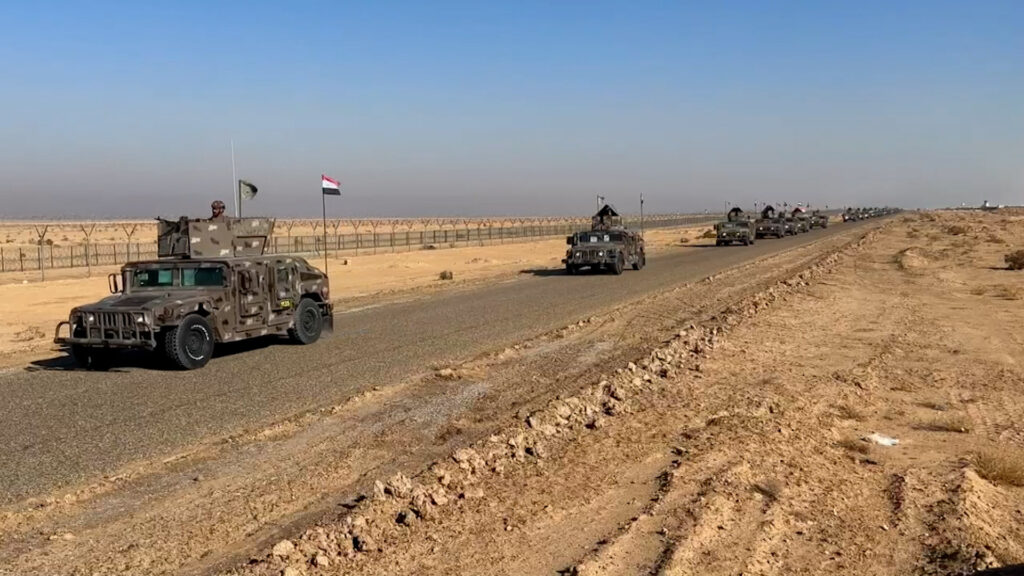
A recent report by The Wall Street Journal has brought to light allegations that Israel operated a covert military outpost within Iraq during the intense Iran-Iraq war, which spanned from 1980 to 1988. The Iran-Iraq conflict was a brutal eight-year war that involved various regional and international actors, with the United States and Israel reportedly supporting Iraq in various capacities.
According to the report, Israel’s involvement in the region was more direct and covert than previously known. The military outpost allegedly served as a strategic hub for intelligence gathering and operational support aimed at Iranian forces. This facility was described as clandestine, embedded within Iraqi territory, underscoring the secretive nature of Israel’s military and intelligence activities during that period.
The Iran-Iraq war, a devastating conflict, drew in several outside powers seeking to influence the outcome and curb the expansion of Iranian revolutionary influence in the Middle East. The US and Israel, sharing concerns over Iran’s ideological and geopolitical ambitions, were believed to have provided Iraq with intelligence, weapons, and strategic support.
If verified, this revelation would mark a significant escalation in the complexity of Israel’s regional involvement, demonstrating a willingness to operate covertly on Iraqi soil. This could also shed new light on the extent of Israel’s regional security efforts during the 1980s, a time marked by shifting alliances and intense conflicts.
The Wall Street Journal’s report hints at the operational capacity of the outpost, which may have included surveillance technologies and direct communication channels with both Israeli and US military command structures. Details on the size, personnel involved, and exact location of the base were not fully disclosed but suggest a significant tactical asset for Israel in its anti-Iran efforts.
This alleged outpost likely played a role in monitoring Iranian troop movements and intercepting communications, giving Iraq and its allies a strategic advantage. The nuanced relationship between Israel and Iraq—then formally enemies—was temporarily obscured by the broader context of shared interests against Iran.
Reactions to the report have been varied. Israeli officials have generally refrained from confirming or denying covert operations in third countries, following a long-standing policy of ambiguity. Iraqi officials and historians have expressed surprise and concern at the revelation, which could complicate the narrative of Iraq’s stance during the war.
Experts on Middle Eastern geopolitics view this development as indicative of the shadow wars that have characterized the region for decades. Covert operations, intelligence sharing, and proxy conflicts have often defined the strategic landscape, making direct confrontations intertwined with secret agendas.
The importance of this report also resides in its implications for contemporary Middle Eastern relations. Understanding past covert operations can shed light on current tensions and alliances, as many of the actors remain influential in today’s geopolitics.
As this story develops, further investigations and declassifications may reveal more about the nature and impact of Israel’s alleged base in Iraq during one of the bloodiest conflicts of the late 20th century. Historical clarity on these issues is critical for both academic, strategic, and diplomatic communities seeking to comprehend the region’s complex history and future prospects.