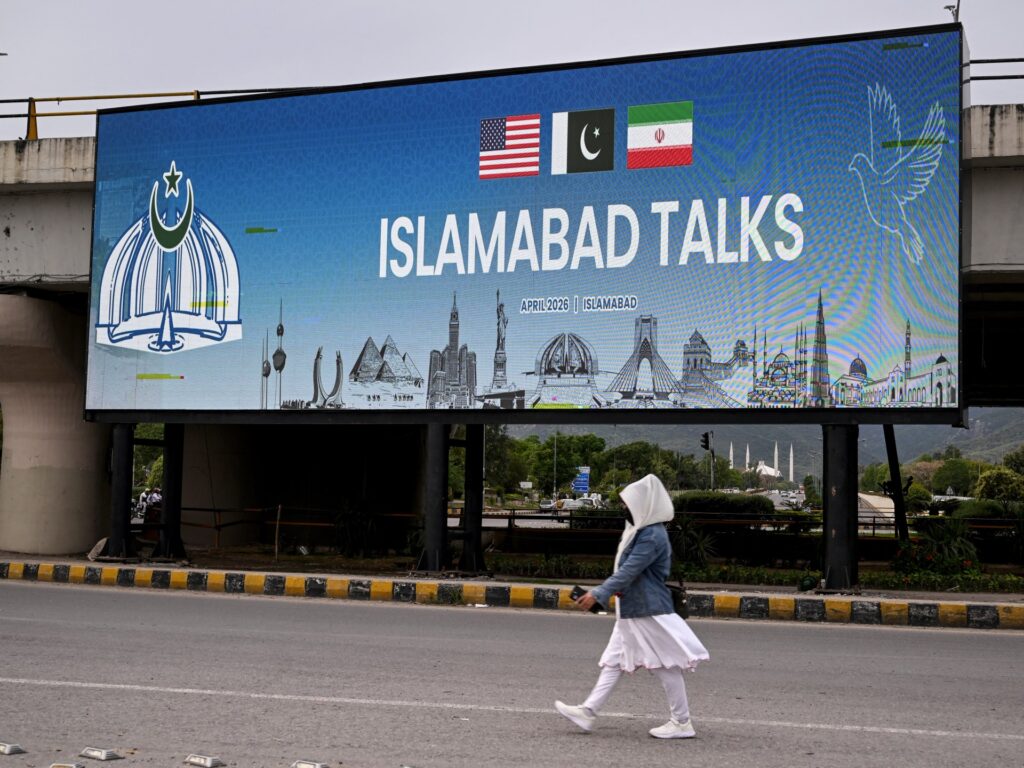
Amid escalating tensions between the United States and Iran, Pakistan is actively working to rescue delicate diplomatic efforts aimed at maintaining a fragile ceasefire between the two nations. With the ceasefire on the verge of collapse, Islamabad has found itself under scrutiny and facing serious allegations of providing military assistance to Iran, allegations which the Pakistani government has firmly denied.
Pakistan has long played a strategic role in regional diplomacy, particularly in conflict de-escalation. Recognizing the dangers of a renewed conflict between the US and Iran, Pakistani officials have engaged in quiet diplomatic channels, urging restraint and dialogue. Despite this, recent rhetoric, including statements from then-US President Donald Trump, has cast doubt on the durability of the ceasefire, describing the truce as being on ‘life support.’
The stakes are high for Pakistan, which borders Iran and has economic, political, and security interests that could be severely impacted by renewed hostilities. Pakistani leadership insists that their efforts are geared toward peace and stability, rejecting claims of complicity in military operations or support to either side of the conflict.
Analysts note that the ceasefire’s fragility stems partially from deep-rooted mistrust and the competing strategic interests of the US and Iran in the Middle East. Pakistan’s involvement, although significant in diplomatic channels, is complex. The country must maintain a delicate balance – fostering relations with the US, a major global power and aid donor, while preserving its historically close ties with Iran, a neighboring country with shared cultural and economic ties.
Insiders reveal that Pakistan is pushing for renewed negotiations and confidence-building measures between the US and Iran, leveraging its unique position as a regional actor sympathetic to both sides. However, the success of these efforts remains uncertain amid continued geopolitical pressures, including harsh sanctions on Iran and increased military posturing in the Persian Gulf.
The international community closely watches these developments, hopeful for a peaceful resolution. The collapse of the ceasefire would not only exacerbate regional instability but could trigger wider conflicts impacting global trade routes, energy supplies, and international security.
Pakistan’s rejection of allegations regarding military assistance to Iran underscores the challenges it faces in maintaining credibility and neutrality amid a polarized international environment. The situation calls for continuous engagement and constructive diplomacy, reinforcing Pakistan’s role as a potential mediator rather than a participant in conflict.
As the diplomatic talks hang in the balance, global observers stress the urgent need for renewed dialogue and tangible steps to revive the ceasefire. Pakistan’s efforts represent a crucial, albeit complicated, endeavor to mitigate conflict and promote peace in a volatile and strategically critical region.