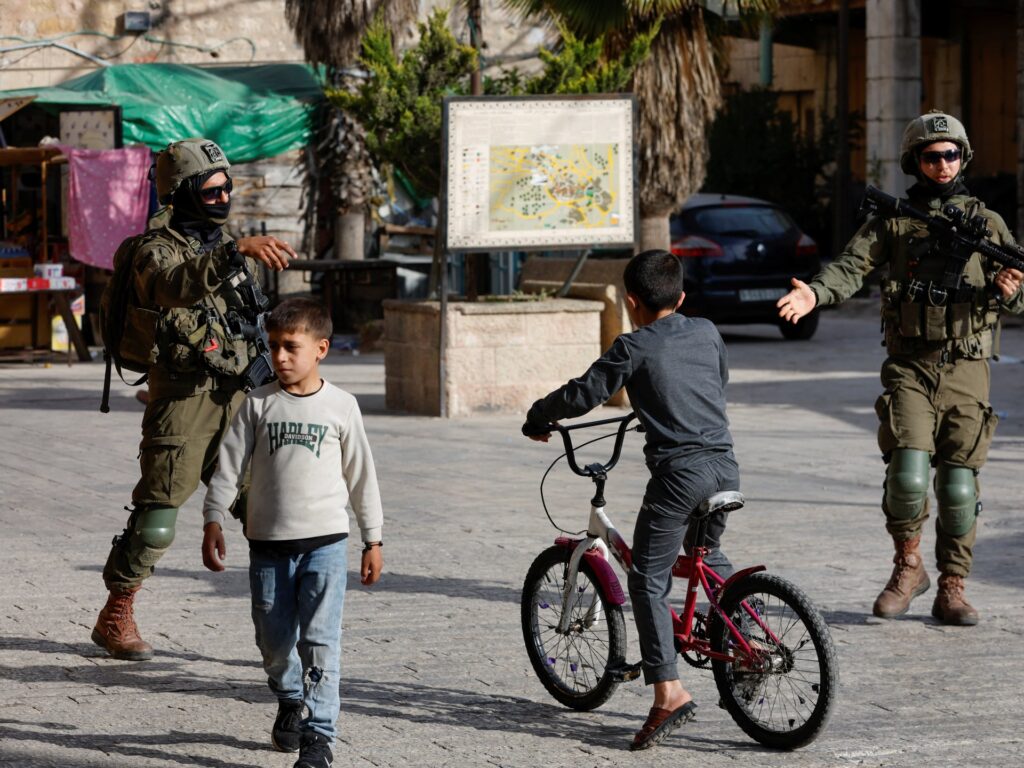
This week in the West Bank has been marked by a troubling surge in settler violence and land seizures, raising deep concerns over the increasing tensions and human rights violations in the region. Israeli settlers have been aggressively uprooting olive trees, seizing lands, and displacing Palestinian families across various West Bank villages, reflecting a pattern of unchecked aggression that threatens the livelihoods and safety of local communities.
The uprooting of olive trees, a symbol of Palestinian heritage and a critical resource for many families, has taken on a particularly destructive tone. These trees, often decades old, are being destroyed en masse, disrupting agricultural production and contributing to economic hardship for those dependent on this form of livelihood. Olive groves, once flourishing, are now barren in many affected areas, representing not just an ecological loss but also a blow to cultural identity and generational continuity.
In addition to environmental damage, there are numerous reports of land seizures where settlers extend their control, often under the protection or with the tacit approval of Israeli forces. These land grabs involve the appropriation of private Palestinian properties, forcing many families into precarious living conditions or outright displacement. The psychological toll on the displaced populations is immense, as communities face not only the loss of property but also the fracturing of social bonds and heritage.
The displacement phenomenon is escalating, with families forced to abandon their homes to avoid confrontation or violence. This trend exacerbates the humanitarian crisis, leading to increased vulnerability and instability. Many international observers and human rights organizations have condemned these acts, calling for urgent measures to protect Palestinian civilians and enforce accountability for settlers’ violent actions.
Israeli officials have often downplayed the severity of settler rampages, framing the incidents as isolated or defensive actions. However, the scale and frequency of these events suggest a broader underlying strategy that undermines prospects for peace and fuels animosity between communities.
The broader geopolitical implications are significant. Unchecked settler violence and land confiscation continue to undermine the viability of a two-state solution and fuel cycles of retaliation and violence. International stakeholders have called for renewed dialogue and action to halt these violations and address the root causes of conflict.
In summary, this week’s events in the West Bank underscore the urgent need for international attention and intervention. The destruction of olive trees, illegal land seizures, and displacement of Palestinian families highlight deep systemic issues and the ongoing human cost of the conflict. Without decisive action, these patterns threaten to become entrenched, further destabilizing the region and diminishing hopes for peaceful resolution.