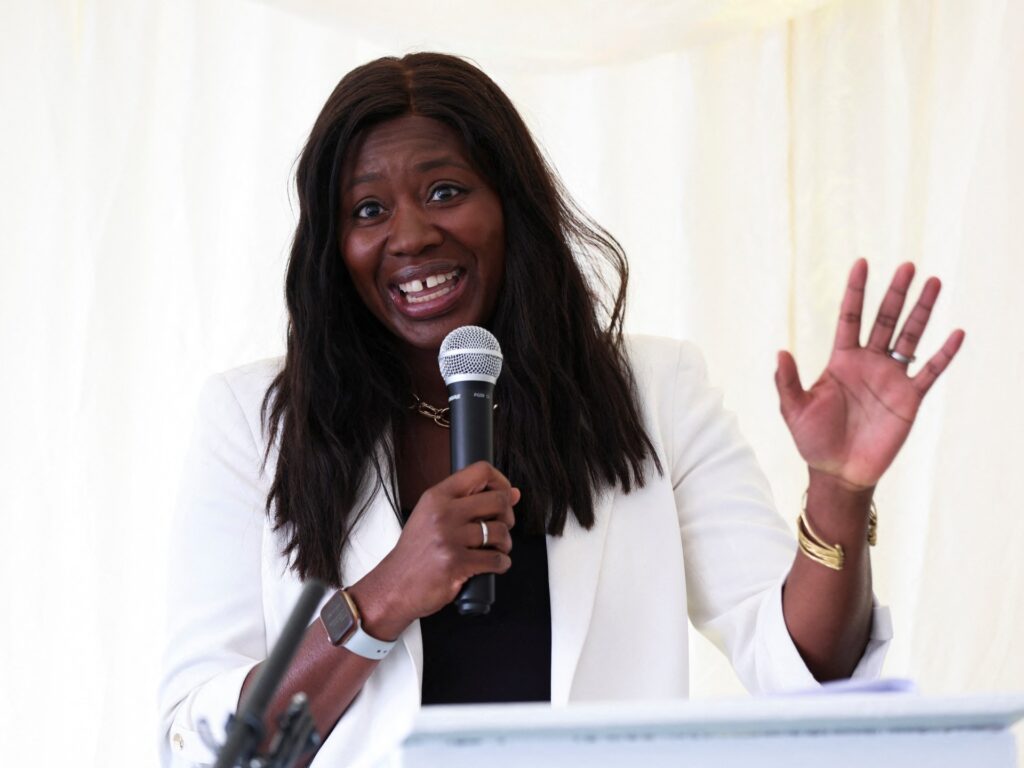
In a major political development, the first UK minister has resigned amid increasing pressure on Prime Minister Keir Starmer to step down. This significant move comes in the wake of recent election losses suffered by the Labour Party, which have sparked intense calls from within the party and the broader political landscape for the Prime Minister’s resignation.
The resignation marks a tumultuous moment for the Labour leadership, as the party grapples with the fallout from disappointing electoral outcomes. Analysts view this as a critical juncture, highlighting internal dissent and growing dissatisfaction with the current leadership and strategy.
Prime Minister Starmer, who took office with the promise of revitalizing the Labour Party and challenging the Conservative government, has faced mounting scrutiny as these setbacks threaten to derail his political agenda. The minister’s departure is not only a blow to the cabinet’s stability but also a public indication of cracks within the ruling party.
Party members and political commentators have expressed concerns about the trajectory of the Labour Party under Starmer’s leadership. The recent election results are seen as a reflection of waning public support and possible disconnect with voter priorities. As calls for resignation amplify, the Prime Minister’s position appears increasingly precarious.
The political unrest is heightened by the symbolic weight of a minister’s resignation, traditionally signaling serious internal conflict or dissatisfaction with the leadership. This development may embolden other party officials and members to voice dissent or reconsider their allegiance to Starmer’s leadership.
Opposition parties have seized on the turmoil, using it to criticize the Labour Party’s credibility and governance capabilities. They argue that such instability undermines the party’s effectiveness as an alternative government and raises questions about its readiness to lead the country.
Political experts predict a period of uncertainty ahead for the Labour Party. The leadership will likely face pressure to conduct internal reviews, potentially leading to a leadership contest or reconfiguration of the cabinet. How Starmer and his team navigate this crisis will be crucial for the party’s future prospects and its ability to regain public trust.
Public reactions have been mixed, with some expressing disappointment over the election results while others support the calls for change at the helm of the party. The government’s opposition to the current leadership underscores the competitive and volatile nature of UK politics at this juncture.
In summary, the resignation of the first UK minister amid calls for Prime Minister Starmer’s resignation represents a significant turning point for the Labour Party. As electoral challenges persist and internal pressures mount, the party stands at a crossroads, facing critical decisions that will shape its path forward and influence the broader political landscape in the United Kingdom.