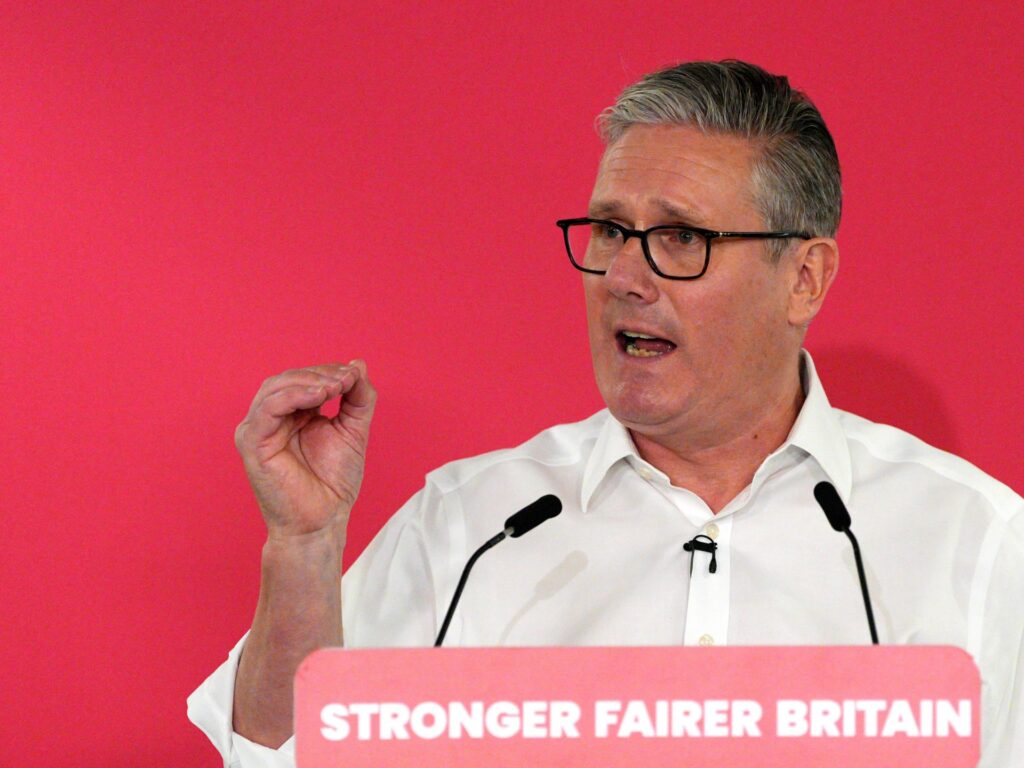
UK Prime Minister Keir Starmer is currently confronting increasing internal pressure as members of his cabinet are reportedly split over his leadership. Despite mounting demands from various factions within the government and the public for him to resign, Starmer remains defiant and has yet to indicate any plans to step down.
The divisions within the cabinet reflect broader political tensions in the UK, with some ministers expressing frustration over the direction and management of the government. These concerns have fueled calls for Starmer’s resignation from opponents and even some within his own party, highlighting a challenging period for the Prime Minister.
Starmer has been under scrutiny for several key policies and decisions in recent months, which some believe have not met the expectations of his constituents or his party members. This internal dissent is particularly significant as it emerges ahead of upcoming political events, where unity and strong leadership are considered crucial.
Supporters of Starmer argue that his defiance and determination to remain in office demonstrate strength and commitment to his role. They contend that stepping down amid pressure would be premature and potentially destabilize the government. Conversely, critics insist that new leadership is necessary to restore confidence and effectiveness in governance.
The situation remains fluid, with careful observation of the Prime Minister’s next moves and the cabinet’s response being essential. Political analysts suggest that how Starmer manages this crisis could define his tenure and influence the future trajectory of UK politics.
In summary, Keir Starmer stands at a crossroads, facing a divided cabinet and escalating demands for his resignation. His ability to navigate this internal turmoil will be pivotal in shaping not only his political legacy but also the broader stability of the British government.