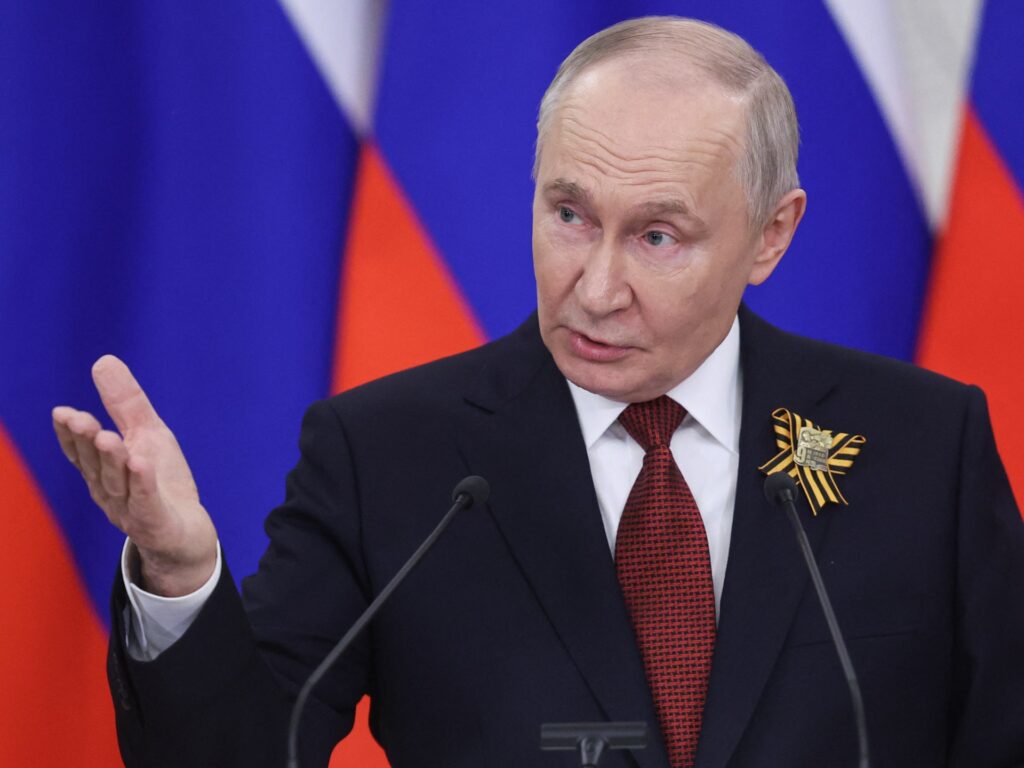
In a recent turn of events, Russian President Vladimir Putin has hinted at the possibility of ending Russia’s war in Ukraine, a conflict that has drawn global attention for its intensity and geopolitical ramifications. This signal comes at a time when a US-backed ceasefire is in place, suggesting a strategic opening for peace talks between the involved parties.
The conflict, which began in 2014 and escalated dramatically in 2022, has resulted in widespread devastation and strained international relations. Over the years, numerous attempts at brokering peace have faltered, leaving a persistent state of unrest in the region.
Putin’s recent statements indicate a potential shift in Russia’s stance towards the conflict, raising questions about the timing and motivations behind this change. Analysts suggest that the combined pressure of international sanctions, battlefield dynamics, and economic factors may have influenced Moscow’s openness to negotiations.
The US-backed ceasefire has played a crucial role in stabilizing the situation on the ground, providing a foundation for diplomatic engagement. However, despite this progress, broader negotiations addressing the underlying issues of the conflict remain stalled. Key contentious issues such as territorial control, security guarantees, and political autonomy are yet to be resolved.
Experts note that while Putin’s hint at peace talks is a positive development, the road to a comprehensive resolution is complex and fraught with challenges. The negotiation process will require concessions from both Russia and Ukraine, as well as sustained support from the international community.
The international response to Putin’s signals has been cautiously optimistic. Western nations have welcomed the potential for dialogue but emphasize the necessity of verifiable actions and commitment to peace from all parties involved.
Meanwhile, efforts continue on multiple fronts to maintain the ceasefire and facilitate communication between Moscow and Kyiv. Diplomatic channels remain active, with ongoing discussions mediated by international organizations and key states.
The situation underscores the delicate balance of power and diplomacy in the region. Any progress towards peace not only impacts the immediate stakeholders but also holds significant implications for global security and the geopolitical landscape.
In conclusion, Putin’s recent hints at ending the war in Ukraine amidst a US-backed ceasefire open a window of opportunity for peace. However, the path forward requires careful navigation of complex political realities and a genuine commitment to dialogue. The international community watches closely, hopeful that this signal marks the beginning of a sustained effort to bring lasting peace to the region.