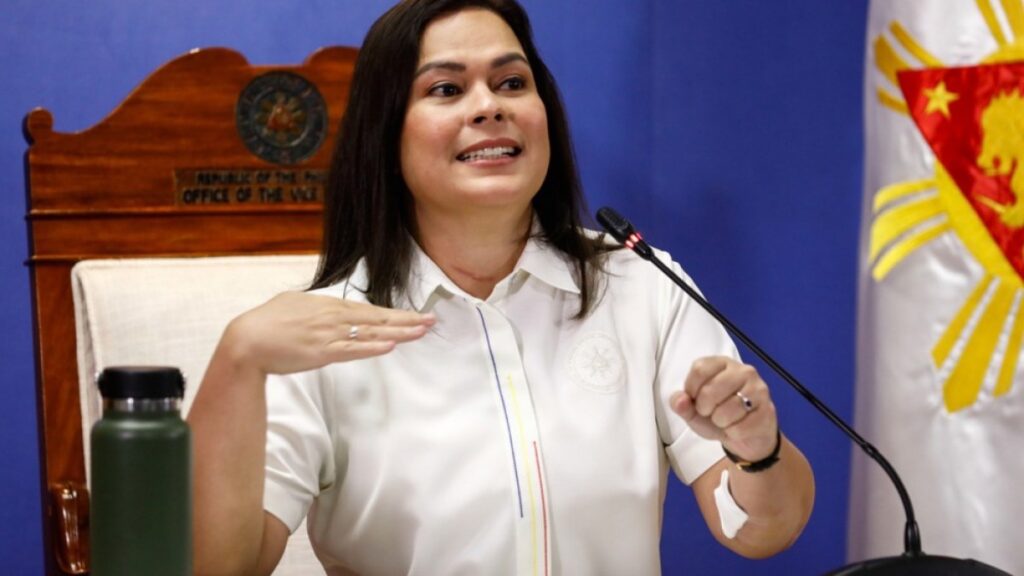
In a significant political development, the Philippine Congress is moving forward with an impeachment complaint against Vice President Sara Duterte. The complaint, which alleges serious grounds for impeachment, seeks not only her removal from office but also her perpetual disqualification from holding any government position in the future.
Sara Duterte, daughter of former President Rodrigo Duterte, has been a prominent figure in Philippine politics, gaining attention for her policies and leadership style. However, the filing of the impeachment complaint marks a critical juncture in her political career, reflecting growing tensions and controversies surrounding her tenure as Vice President.
The impeachment process in the Philippines involves rigorous scrutiny and investigation by the House of Representatives. If the complaint is deemed sufficient, it will be referred to the Senate for trial, where a two-thirds majority vote is required for conviction and removal from office.
Supporters of the impeachment argue that Vice President Duterte has committed acts that warrant removal, citing allegations that pertain to her conduct in office. They claim that these actions undermine public trust and compromise the integrity of the government.
On the other hand, Duterte’s allies assert that the impeachment complaint is politically motivated, designed to destabilize her administration and curtail her influence. They emphasize her achievements and leadership qualities, urging the public and lawmakers to consider the broader implications before proceeding.
The unfolding situation has sparked debates across the political spectrum and among citizens, raising questions about governance, accountability, and the balance of power in the Philippines. The impeachment proceedings are expected to dominate headlines and political discourse in the coming weeks.
As the Congress gears up for the impeachment process, all eyes are on the legislative body to see how it navigates this delicate political challenge. The outcome will have far-reaching consequences not just for Vice President Sara Duterte but also for the country’s political landscape and democratic institutions.
This historic move underscores the vibrant yet contentious nature of Philippine democracy, where legal mechanisms are employed to address grievances against high-ranking officials. The case of Vice President Duterte serves as a test of the country’s commitment to uphold the rule of law and maintain government accountability.
In summary, the Philippine Congress’s preparation to impeach Vice President Sara Duterte marks a pivotal moment in national politics, reflecting deep political rifts and the ongoing struggle to balance power, justice, and public trust.