In a disturbing incident in Peru, residents of a condemned building violently resisted eviction efforts by workers, reportedly throwing flaming gasoline at them. The event, recorded by a bystander, highlights the extreme tension and desperation faced by communities threatened with displacement.
The building, declared unsafe and unfit for habitation by local authorities, was scheduled for evacuation as part of a city-wide initiative to remove residents from hazardous living conditions. However, the process escalated when the occupants, fearing loss of shelter and livelihood, reacted aggressively.
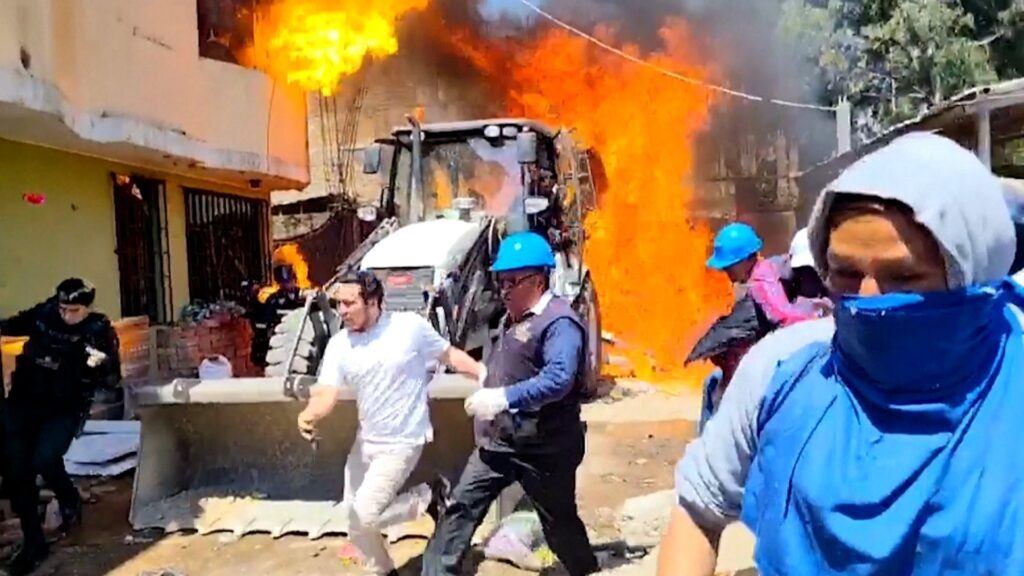
According to reports, workers tasked with carrying out the eviction were met with hostility from the start. As tensions rose, the situation became dangerous when several residents ignited gasoline and hurled it toward the eviction team. Fortunately, there have been no immediate reports of severe injuries, but the act shocked both local officials and observers.
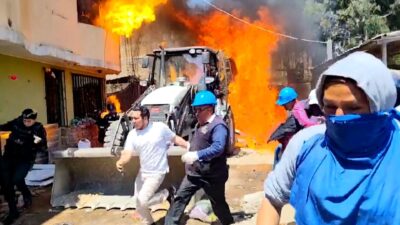
Eyewitness footage captured on a bystander’s phone shows the chaotic scene, with individuals dousing workers with flaming gasoline while shouting and resisting the eviction efforts. This visual evidence has sparked widespread discussion on social media about the underlying issues fueling such desperate acts.
Local authorities have condemned the violence and urged calm, emphasizing that the eviction was carried out to ensure residents’ safety due to the structural dangers of the building. They have also pledged to provide support and alternative housing options for displaced residents. However, many community members argue that these measures are insufficient and call for more comprehensive solutions to address poverty and housing insecurity.
Experts point to a broader context of urban displacement challenges in Peru, where rapid urbanization and economic pressures often leave vulnerable populations in precarious living situations. The incident underscores the difficult balance between enforcing safety regulations and respecting the rights and needs of residents.
Human rights organizations have also weighed in, urging the government to prioritize dialogue and humanitarian assistance over forced evictions. They stress the importance of inclusive policies that prevent such confrontations and protect the dignity of all affected individuals.
The incident has prompted calls for a review of eviction protocols nationwide to prevent similar escalations in the future. Community leaders, government officials, and social activists are now engaged in discussions aimed at finding sustainable solutions that address both safety concerns and social justice.
As the investigation into the events continues, the focus remains on protecting vulnerable populations while maintaining public safety. This distressing episode serves as a stark reminder of the complexities involved in urban redevelopment and the urgent need for compassionate approaches in housing policy.