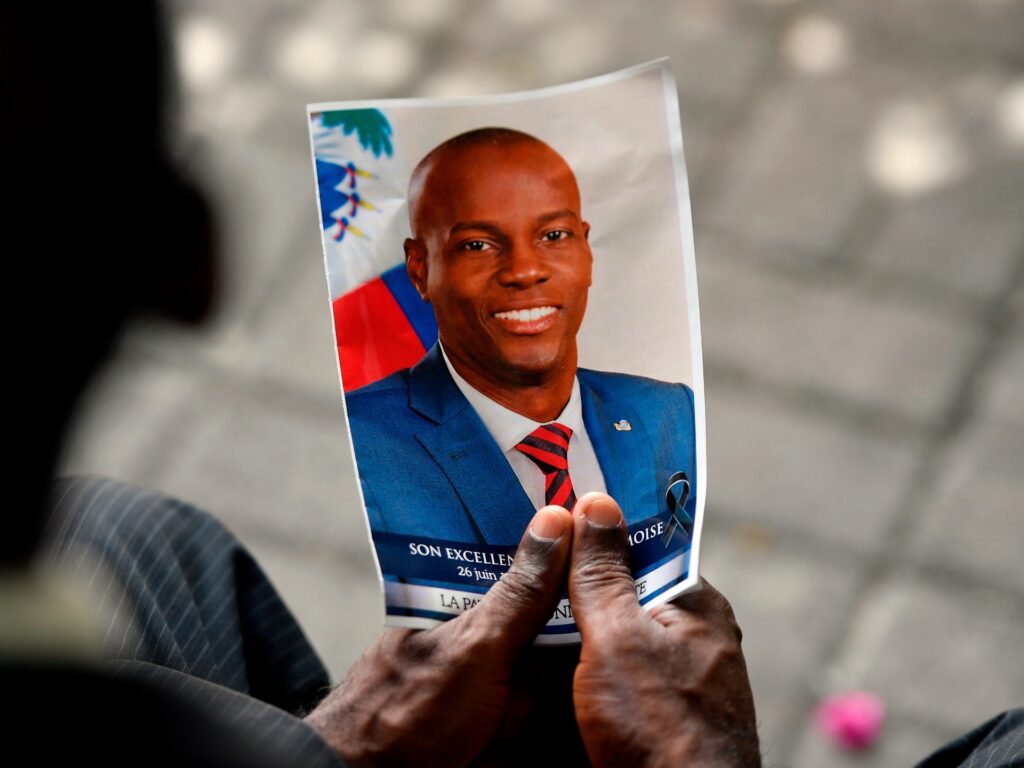
In a significant development related to the 2021 assassination of Haitian President Jovenel Moise, four individuals have been convicted in the United States. Prosecutors have revealed that Florida served as a central hub for the conspiracy that led to the brutal killing of Moise, an event which plunged Haiti into an ongoing political crisis.
The assassination occurred on July 7, 2021, when armed assailants stormed the president’s private residence in Port-au-Prince in the dead of night. President Moise was shot multiple times and died as a result, exacerbating the nation’s instability and political turmoil.
Following the assassination, investigations spanned multiple countries, with an intense focus on Miami, Florida, a key location tied to the planning and execution of the operation. Authorities uncovered that several suspects had used Florida as a base to strategize and coordinate the attack.
The four convicts were implicated through extensive evidence linking them to the assassination plot. This included communications, financial transactions, and testimonies that painted a comprehensive picture of their involvement.
The prosecution highlighted how these individuals were part of a broader network, including foreign mercenaries and operatives, who orchestrated the attack to remove the Haitian leader. The killing triggered widespread protests, a surge in violence, and further political fragmentation within Haiti.
Experts note that the political crisis in Haiti has deep roots, including economic hardship, corruption, and social unrest. The assassination intensified these problems, making governance and recovery more challenging for the Haitian people.
International organizations and foreign governments have called for justice and stability in Haiti. They emphasize the importance of holding those responsible accountable to deter similar incidents in the future.
The verdict in the United States represents a critical step in addressing the assassination but also highlights the complexity of Haiti’s struggle for peace and political order. Observers believe that continued international support and robust legal action are necessary to help Haiti move past this dark chapter.
As Haiti remains embroiled in uncertainty, the conviction of these four individuals sends a strong message that acts of political violence will face serious consequences, regardless of where they are planned or executed.
The case also serves as a reminder of the critical role of cross-border cooperation in combating crime and terrorism that can destabilize nations and affect regional security.
Moving forward, Haiti faces the daunting task of rebuilding trust in its institutions and establishing effective governance that can meet the needs of its citizens. These recent convictions might pave the way for further investigations and accountability measures.
The Haitian populace continues to hope for a restored democracy and a peaceful future, free from the shadows of violence that have haunted them for years.