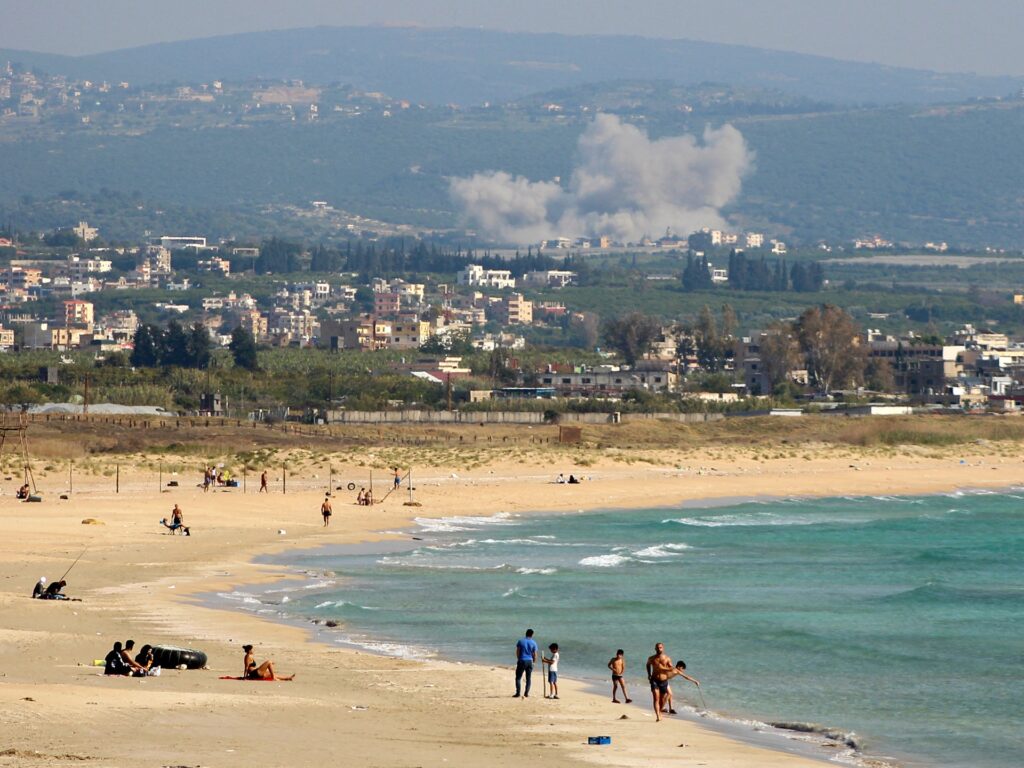
In a significant escalation of tensions in the Middle East, Israeli air raids on southern Lebanon have reportedly killed more than a dozen people. The violence comes at a critical juncture as a new round of peace talks is scheduled to take place next week in Washington, DC, raising concerns about the prospects for reducing hostilities in the region.
The recent airstrikes targeted multiple locations in southern Lebanon, an area that has historically been a flashpoint between Israeli forces and Lebanese militant groups. Local sources confirmed that the attacks caused heavy casualties, including civilians, intensifying the humanitarian crisis in the area.
This spike in violence follows a period of relative calm and is viewed by many analysts as an attempt by Israel to assert pressure ahead of the diplomatic negotiations. The upcoming talks, expected to focus on issues of security, territorial disputes, and long-term peace strategies, have drawn attention from international actors hoping to broker a sustainable ceasefire.
The Israeli government has stated that the air raids were in response to cross-border attacks and rocket fire from militants operating in southern Lebanon. Officials emphasized their commitment to protecting Israeli citizens and maintaining sovereignty but also acknowledged the need for dialogue to address the conflict’s root causes.
Lebanese authorities and several humanitarian organizations have condemned the strikes, calling for immediate cessation of hostilities and increased international intervention to protect civilians. The escalation has prompted fears of a broader conflict that could destabilize the already volatile region.
Experts note that the timing of these attacks, just days before the Washington talks, could either derail diplomatic efforts or serve as a catalyst for more urgent negotiations. Previous peace talks have faced significant challenges due to mutual distrust and the complex web of alliances and enmities in the region.
International responses have varied, with some countries urging restraint from all parties and others expressing support for Israel’s right to self-defense. The United Nations has called for an emergency meeting to address the crisis, emphasizing the importance of maintaining peace and humanitarian aid access.
The situation in southern Lebanon remains tense as local communities brace for potential further military action. The international community watches closely, hopeful that the upcoming Washington discussions will pave the way for a reduction in violence and a lasting resolution to the conflict.
As the diplomatic process unfolds, the immediate priority remains the protection of civilians and the prevention of further bloodshed. The coming days will be critical in determining whether the region can move from conflict toward peace or face an escalation with far-reaching consequences.