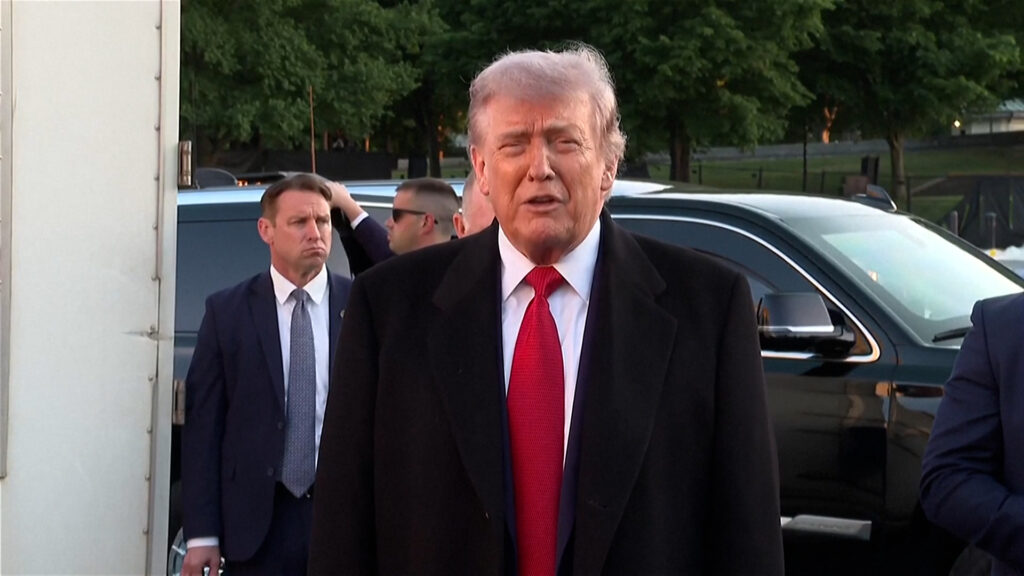
US President Donald Trump has reassured that the ceasefire agreement with Iran remains active despite recent tensions and clashes in the strategically critical Strait of Hormuz. The Strait, a vital waterway for global oil shipments, has been a flashpoint for escalations between the United States and Iran for years. In recent days, reports surfaced of confrontations involving naval vessels in the area, raising concerns about a deterioration of the fragile peace.
Trump’s statement underscores the ongoing efforts by the US administration to maintain diplomatic engagement with Iran. He emphasized the importance of Iran signing a formal agreement to solidify the ceasefire and prevent further hostilities. “The ceasefire is still in effect, but Iran better sign the agreement fast,” Trump said, signaling urgency in reaching a binding accord.
The US-Iran relationship has experienced significant volatility, particularly following the US withdrawal from the 2015 nuclear deal, officially known as the Joint Comprehensive Plan of Action (JCPOA), and the subsequent re-imposition of sanctions on Iran. These actions have led to heightened tensions, with both nations engaging in a series of retaliatory measures, including the seizure of vessels and missile attacks.
The Strait of Hormuz is a narrow passage connecting the Persian Gulf with the Gulf of Oman, through which about 20% of the world’s petroleum passes. Any conflict in this region poses a threat not only to regional stability but also to the global energy market. The reaffirmation of a ceasefire is therefore seen as a critical step in ensuring uninterrupted oil flows and economic stability worldwide.
Iran, for its part, has maintained a complex stance. While affirming its commitment to regional security, Tehran has also expressed skepticism about US intentions. The Iranian government has called for respect of its sovereignty and the lifting of sanctions as preconditions for deeper agreements.
International observers have welcomed Trump’s remarks but stress the need for concrete actions from both parties. The urgency conveyed by President Trump highlights the fragile nature of the truce and the necessity of immediate diplomatic progress. Failure to secure a formal agreement could lead to escalations with far-reaching consequences.
The US administration’s push for a signed agreement aims to formalize commitments and establish enforcement mechanisms to deter violations. This approach reflects a broader strategy to balance diplomacy with readiness to respond to provocations.
Despite the current ceasefire, naval activity in the Strait of Hormuz remains under close scrutiny. Both Iranian and US military operations continue, with each side monitoring the other’s movements closely to prevent misunderstandings that could trigger renewed conflict.
Analysts suggest that the situation also presents an opportunity for dialogue and negotiation. With the global community watching closely, there is a window for diplomatic breakthroughs that could stabilize the region and pave the way for more comprehensive peace arrangements.
In summary, President Trump’s declaration that the ceasefire with Iran is still in effect represents a cautious optimism amid ongoing tensions. It also serves as a call to action for rapid progress in formalizing agreements to secure lasting peace and stability in one of the world’s most geopolitically sensitive regions.