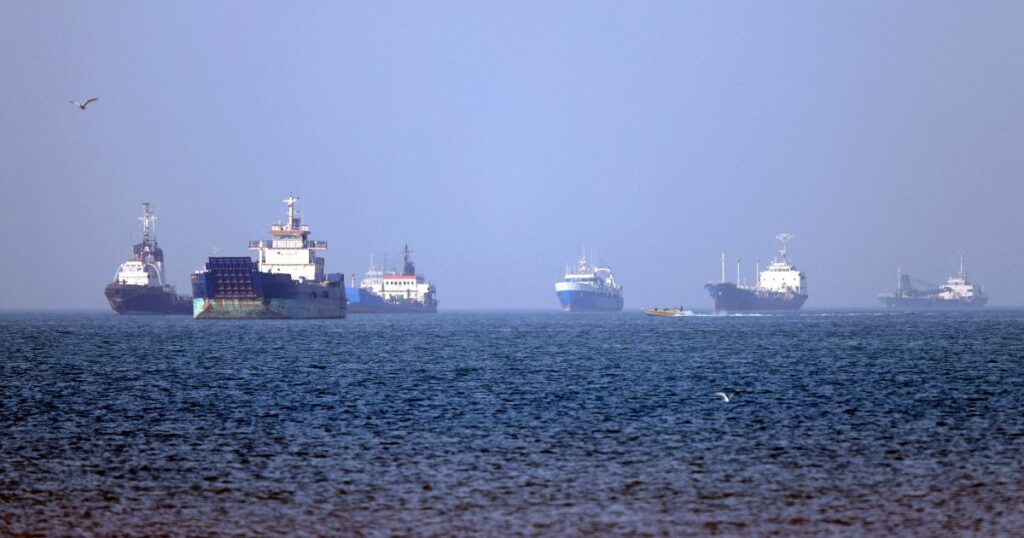
Tensions between the United States and Iran have escalated in the strategically crucial Strait of Hormuz, resulting in the closure of the waterway and leaving some 20,000 seafarers stranded in the Gulf region.
The Strait of Hormuz is a vital chokepoint for global oil shipments, with roughly one-fifth of the world’s petroleum passing through it daily. The ongoing conflict has effectively brought maritime traffic to a halt, disrupting global supply chains and causing widespread uncertainty among international maritime operators.
Seafarers from various nations, caught in this geopolitical standoff, find themselves trapped aboard vessels, unable to navigate out of the Gulf. Essential supplies and crew rotations have been severely affected, raising concerns about the welfare and safety of these maritime workers.
The closure of the Strait has imposed significant economic repercussions. Oil prices have surged in response, placing additional strain on global energy markets. Shipping companies face increased costs and logistical challenges as they seek alternative routes, which are often longer and more expensive.
Governments and international bodies are calling for calm and urging both the US and Iran to engage in diplomatic dialogue to resolve the crisis. The International Maritime Organization has emphasized the need for the safe passage of vessels and the protection of seafarers’ rights during these turbulent times.
Local ports around the Gulf are experiencing congestion, as ships await clearance to dock or transit through neighboring waters. The uncertainty has also impacted insurance premiums for ships operating in the region, further complicating the situation.
Humanitarian concerns are mounting, with some seafarers reporting difficulties accessing medical care and quality provisions. Labor organizations and advocacy groups are pressing for immediate action to alleviate the plight of those stranded.
The Strait of Hormuz conflict underscores the fragility of global maritime security and the profound consequences that regional disputes can have on international trade and the lives of individuals reliant on safe passage through these critical waterways.
Experts warn that prolonged closure could have far-reaching implications beyond the Gulf, potentially destabilizing energy supplies and exacerbating geopolitical tensions worldwide.
Efforts are underway by neutral parties to mediate and facilitate de-escalation, though the path to a resolution remains uncertain. In the meantime, seafarers remain caught in an impasse, their futures uncertain as the world watches closely.