In a significant development related to the June 2025 firebombing incident in Colorado, the accused has pleaded guilty to the charges. The attack, which took place amid heightened tensions, targeted supporters of Israeli captives in Gaza, causing widespread concern and condemnation.
Authorities confirmed that the assailant deliberately targeted a location known to be associated with advocacy for Israeli captives, with the act being condemned as a violent and terroristic attempt to intimidate supporters and escalate hostilities.
Following the guilty plea, several advocacy groups and community leaders have come forward, urging for clemency and reprieve for the family of the assailant. These groups argue that while justice must be served for the crime committed, the family members of the accused have been unfairly stigmatized and targeted by the public and authorities, despite having no involvement in the attack.
Representatives from human rights and peace organizations emphasized the importance of distinguishing between individuals and their relatives, warning that reprisals against family members can deepen divisions and hamper efforts toward reconciliation and understanding.
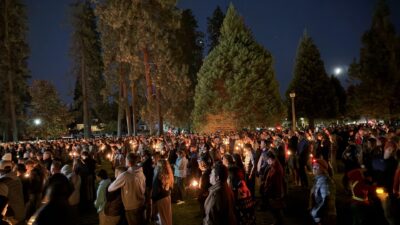
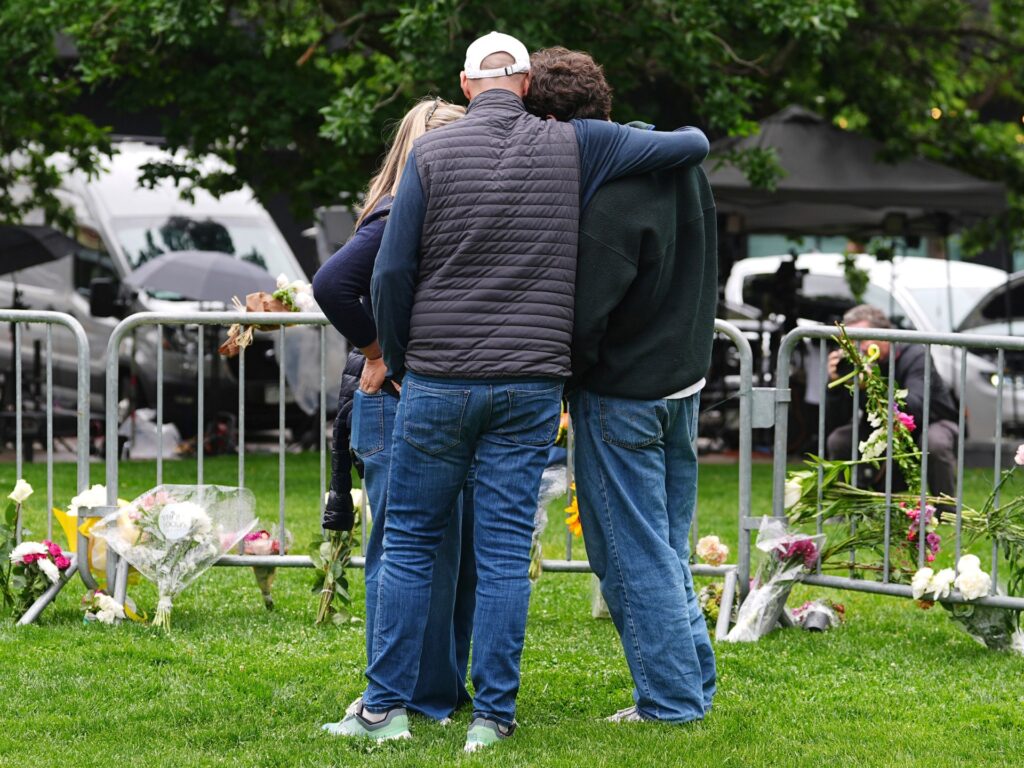
The firebombing had reignited fears within the local community and drew international attention, highlighting the ongoing repercussions of the conflict in the Middle East and its impact even far beyond the immediate region. The incident served as a stark reminder of how global conflicts can manifest in local acts of violence and terror.
Community members, affected families, and local government officials have since been working together to promote healing and dialogue, aiming to prevent further incidents of this nature in the future. Public safety measures have been increased, and support services have been offered to those traumatized by the attack.
The legal proceedings related to the case have moved forward after the guilty plea, with the sentencing phase expected to address the severity of the crime and its impact on the victims and community at large.
Meanwhile, ongoing discussions on how to better protect vulnerable communities and promote peaceful advocacy continue, with calls for more inclusive approaches to conflict resolution.
This case underscores the broader challenges faced by societies worldwide in addressing politically motivated violence while also ensuring justice and protecting innocent civilians and their families from the fallout.