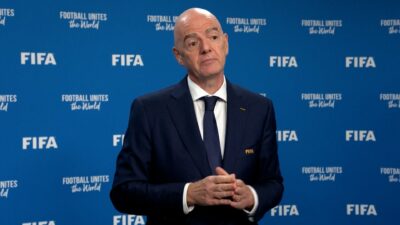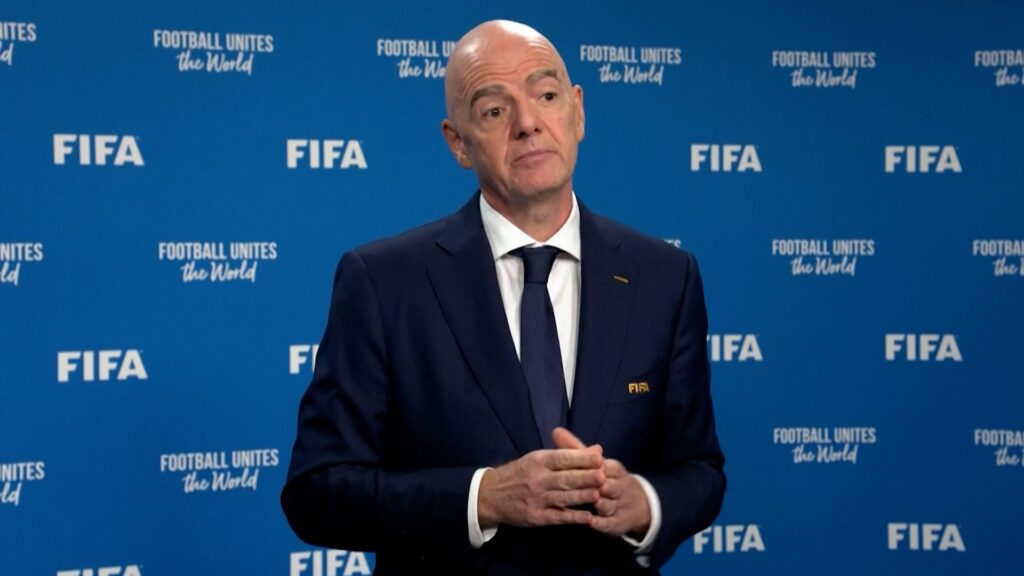
At a crucial FIFA executive board meeting held in Zurich, FIFA President Gianni Infantino issued a public apology amid growing controversy surrounding his leadership. The meeting was long-awaited by the footballing community and stakeholders, seeking transparency and resolution to ongoing issues within the organization.
Infantino’s apology comes as calls for his resignation intensify from various corners, including some football associations, former players, and officials concerned about governance and recent scandals that have cast a shadow over FIFA’s reputation.
During the meeting, Infantino addressed the assembled executives, acknowledging mistakes and expressing regret over the handling of several sensitive matters. He emphasized his commitment to restoring trust in FIFA and implementing reforms to ensure accountability and integrity in its operations.
The President’s remarks also touched on FIFA’s current initiatives intended to improve the global game, including financial support for developing nations and efforts to enhance transparency in tournament bidding processes.
Despite the apology, the calls for Infantino to step down persist, fueled by allegations related to governance issues and accusations of misconduct that some critics argue have undermined FIFA’s mission.
The executive board deliberated on these issues but did not announce any immediate decisions regarding Infantino’s position. However, the meeting is seen as a significant moment in FIFA’s ongoing struggle to address problems of governance and ethical challenges.
Football fans, associations, and stakeholders worldwide are watching closely, hoping for meaningful change and renewed leadership that prioritizes the sport’s integrity and global development.
As FIFA looks ahead, the pressure mounts on Infantino to demonstrate tangible progress in reforms and to regain the confidence of the international football community. The decisions made in the coming months will likely shape not just FIFA’s future but potentially the global landscape of football governance as well.
This unprecedented period in FIFA’s history underscores the critical importance of leadership accountability and transparency in sports organizations. The outcome of this crisis may serve as a blueprint for managing governance challenges in other global sports entities.