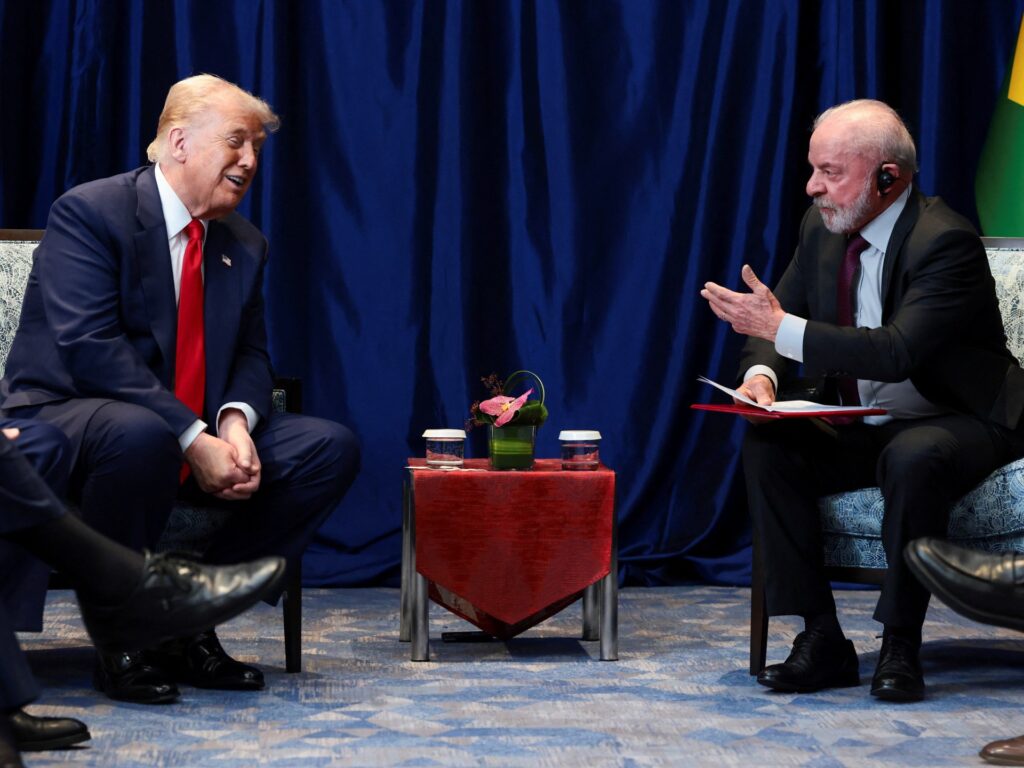
In a significant diplomatic engagement, Brazilian President Luiz Inácio Lula da Silva met with former U.S. President Donald Trump in a high-stakes effort to prevent the imposition of new trade tariffs by the United States on Brazilian goods. This meeting comes at a time of heightened tension between the two nations, primarily due to recent trade policies pursued by the Trump administration that have caused concern among Brazilian officials. The tariff issue has been a focal point of Brazil-U.S. relations, impacting key sectors of Brazil’s export economy and raising fears of a broader trade conflict.
Brazilian government officials express cautious optimism regarding the outcomes of the talks, emphasizing their commitment to maintaining stable and mutually beneficial trade relations with the United States. Both parties have acknowledged the complexity of the trade issues at hand and are reportedly working toward avoiding escalating tariff measures that could disrupt economic ties. Lula’s administration hopes to persuade U.S. officials that Brazil remains a reliable trade partner and that cooperative dialogue should supersede protectionist impulses.
The talks also underscore Lula’s broader diplomatic strategy to engage with major global economies to reinforce Brazil’s economic position on the world stage. Trade representatives from both countries discussed various aspects of the trade relationship, including tariffs, market access, and compliance with international trade rules. Observers note that the dialogue may pave the way for more comprehensive trade agreements or frameworks that could enhance bilateral ties beyond mere tariff concerns.
Brazil’s economy, which relies substantially on exports such as soybeans, beef, and iron ore, faces significant risks if new tariffs were imposed, as such measures would make Brazilian products less competitive in the U.S. market. The potential economic fallout of increased tariffs could have ripple effects across Latin America, given Brazil’s role as a regional economic leader.
From the U.S. perspective, the Trump administration’s tariff policy has aimed to protect American industries from foreign competition, but it has also attracted criticism for potentially triggering retaliatory measures and escalating trade wars. The outcome of Lula and Trump’s meeting will be closely watched by businesses, politicians, and analysts on both sides of the border.
In conclusion, the meeting between Brazil’s President Lula and former U.S. President Trump highlights critical issues at the intersection of diplomacy, economics, and trade policy. It demonstrates Brazil’s active diplomatic engagement to safeguard its economic interests and underscores the ongoing complexities of international trade relations amid shifting political landscapes.