One week after the violent attack by armed groups in Mali, the situation remains critical, with the country’s military government taking decisive steps to fortify national defense and stability. The attack underscored ongoing security challenges faced by Mali amid its complex political and militant landscape.
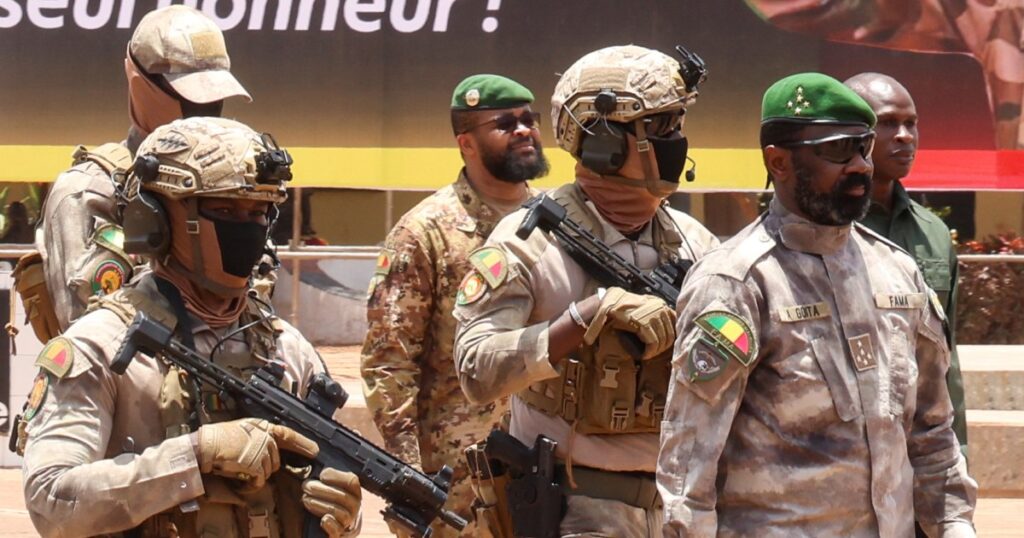
Since the assault, Assimi Goita, the head of Mali’s military government, has assumed the additional role of defense minister. This move signals the government’s intent to closely oversee military operations and strengthen the country’s response to persistent threats.
Assimi Goita’s dual role consolidates leadership within Mali’s defense apparatus, aiming to enhance coordination between military efforts and government policies. Analysts suggest this could lead to more streamlined decision-making during the ongoing security crisis.
The attack, carried out by unidentified armed groups, has escalated tensions in Mali, triggering concerns both domestically and internationally about the stability of the region. The violence occurred amid uneasy peace efforts and recurring insurgent activity, particularly in the northern and central regions of Mali.
In the wake of the attack, Mali’s military government has called for increased national unity and support for security forces battling insurgents. There have been reports of intensified military operations targeting militant bases to prevent further violence.
International partners and neighboring countries have expressed solidarity with Mali and emphasized the need for collaborative efforts to combat terrorism and restore peace. Mali remains a crucial frontline in the broader Sahel security challenges, drawing attention from global powers and regional coalitions.
The government’s reassignment of key roles reflects its strategy to regain control over security and reassure citizens amidst fears of escalating conflicts. Efforts are also underway to address the humanitarian impact, including displacement and disruption caused by the fighting.
Despite the military’s assertive stance, there are concerns about the long-term political implications of consolidating power within the military leadership. Critics warn of potential setbacks for democratic governance and inclusive political dialogue.
Human rights organizations continue to monitor the situation closely, urging all parties to respect civilian protections and prevent further suffering.
Looking forward, the next steps for Mali involve not only military countermeasures but also renewed emphasis on peace-building, political dialogue, and regional cooperation. The international community remains vigilant and ready to assist in stabilizing Mali.
In summary, one week after the armed groups’ attack, Mali is navigating a turbulent path marked by increased military vigilance under Assimi Goita’s dual leadership as head of state and defense minister, ongoing security operations, and vital support from allies aimed at restoring stability to the nation.