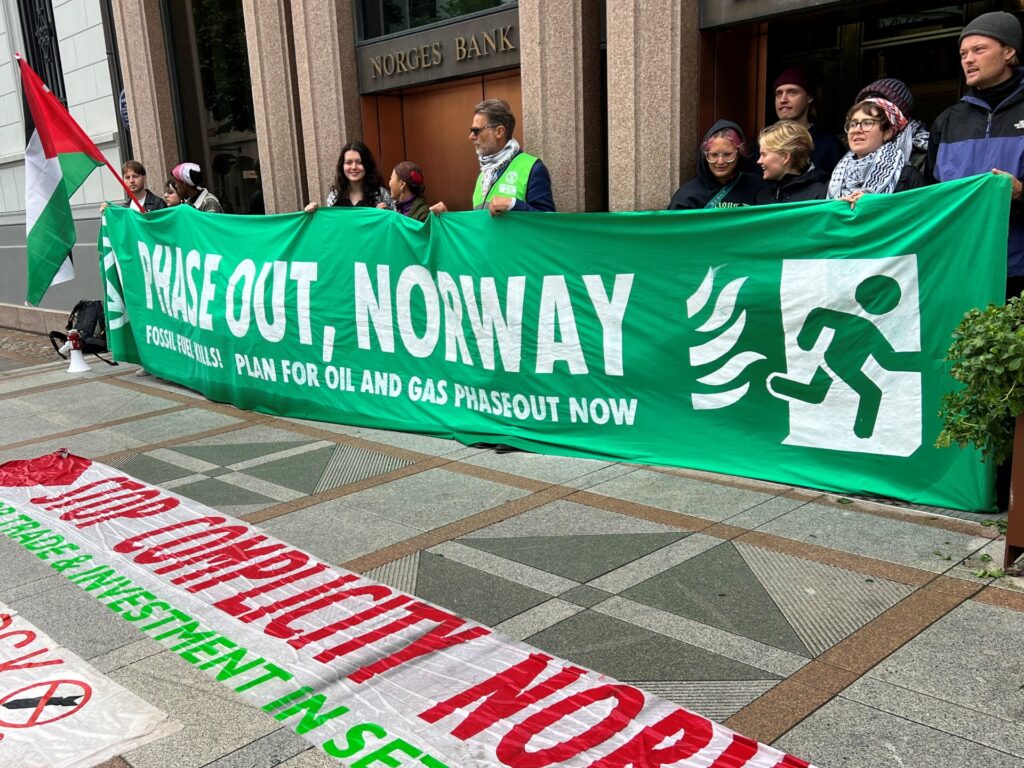
The Norwegian sovereign wealth fund, one of the world’s largest state-owned investment funds, is under pressure to reconsider its strict ethical guidelines, particularly its ban on investments linked to nuclear weapons. This development follows a contentious debate triggered by the fund’s involvement in investments associated with the Gaza conflict. Originally established to manage Norway’s oil revenues responsibly, the fund has long maintained rigorous ethical criteria that exclude companies involved in controversial areas such as nuclear arms and other weapons production.
Recently, a review has recommended easing the ethical risk restrictions, specifically targeting the nuclear arms investment ban. Advocates for the change argue that the current limitations might hinder the fund’s ability to maximize returns and participate in broader investment opportunities, especially those with potential for significant growth. The call to lift these constraints comes after scrutiny of the fund’s portfolio revealed indirect ties to entities linked to conflict zones, notably Gaza, sparking political and public outcry.
Critics of the ban relaxation emphasize the fund’s role as a global leader in ethical investing, underscoring the importance of maintaining stringent standards. They assert that easing restrictions could undermine Norway’s international reputation and contradict the ethical commitments that set the fund apart. Moreover, opponents worry that loosening controls might signal tolerance of investments that fund violence or human rights violations.
Supporters of the review point out that the fund’s principal mandate is to ensure long-term economic growth and safeguard Norway’s financial future. They stress that ethical guidelines should be balanced with sound investment strategies to optimize returns. Additionally, there is an argument that with proper oversight, investments in sectors historically considered high-risk could be conducted responsibly without compromising ethical standards.
The current debate highlights the challenges sovereign wealth funds face in balancing ethical considerations with financial performance, especially in an increasingly complex geopolitical landscape. Norway’s wealth fund has been a pioneer in ethical investing since its inception, often setting benchmarks for other global funds. Adjustments to its policies could influence similar funds worldwide.
The Norwegian government and the fund’s management are expected to review the recommendations carefully, taking into account stakeholder opinions, ethical implications, and economic benefits. Public consultations and expert analyses are likely to play a key role in shaping the final policy stance.
This issue also raises broader questions about the role of large public investment funds in international conflicts and human rights issues. As funds become more globally interconnected, the ethical ramifications of investment choices grow more significant.
In summary, Norway’s sovereign wealth fund stands at a crossroads, balancing its ethical legacy against evolving investment realities. The outcome of this review could redefine how ethical risk is managed and signal a shift in the approach of sovereign wealth funds globally.