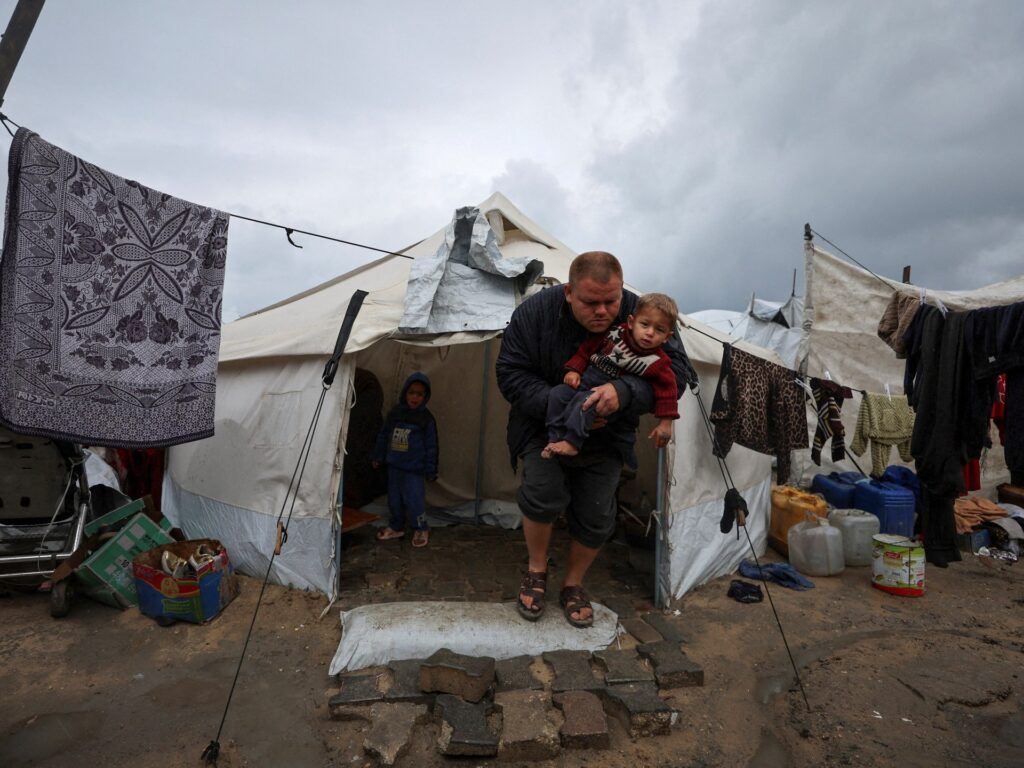
As summer approaches, Gaza’s refugee camps face a growing health crisis with a notable rise in skin diseases. The escalating temperatures and challenging living conditions have created a perfect storm for the spread of various skin infections and conditions, significantly burdening healthcare workers in the region.
Gaza’s crowded refugee camps are characterized by limited access to clean water, inadequate sanitation, and overcrowded shelter, all factors that contribute to the rapid spread of dermatological ailments. The hot summer months intensify these conditions, fostering an environment where bacteria, fungi, and viruses thrive.
Healthcare professionals working in Gaza report a surge in cases ranging from fungal infections such as ringworm and athlete’s foot to bacterial skin diseases like impetigo and cellulitis. Additionally, many individuals suffer from exacerbated eczema and scabies, conditions aggravated by heat and poor hygiene facilities.
The difficulties faced by healthcare providers go beyond treating infections; they must also manage the complications arising from delayed care. Due to restricted movement and resource shortages, many patients do not receive timely medical attention, leading to worsening symptoms and increased transmission risks.
Children, the elderly, and those with weakened immune systems are particularly vulnerable to these skin diseases, often resulting in severe discomfort and secondary infections. The psychological impact on affected individuals is significant, as visible skin conditions can lead to social stigma and emotional distress.
Local and international health organizations have emphasized the need for urgent interventions, including improving sanitation, ensuring the availability of clean water, and expanding access to dermatological treatments within the camps. Efforts to educate residents on personal hygiene and the importance of early medical consultation are also critical components of the response.
Moreover, the ongoing conflict and blockade exacerbate the situation by limiting the importation of medicines and medical supplies necessary for effective treatment and prevention strategies. This highlights the complex interplay between political, social, and health issues in addressing public health emergencies in Gaza.
As summer temperatures continue to rise, the risk of widespread skin disease outbreaks in Gaza’s refugee camps grows, urging immediate action to protect vulnerable populations. Sustainable solutions that combine improved living conditions, enhanced healthcare infrastructure, and community education are essential to mitigate the impact of these preventable diseases.
In conclusion, the arrival of summer in Gaza brings more than just heat—it signals a heightened threat to the skin health of thousands living in refugee camps. Addressing this challenge demands coordinated efforts from local authorities, international agencies, and the global community to ensure that those affected receive the care and support needed to maintain their health and dignity.