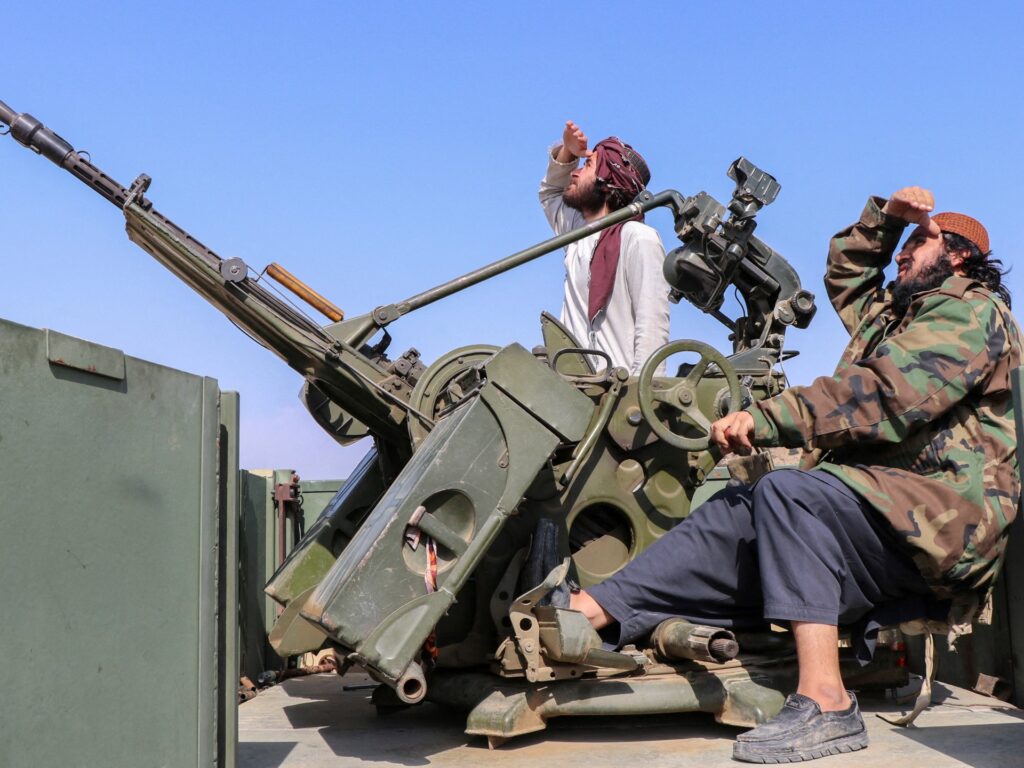
In a serious escalation of tensions between Afghanistan and Pakistan, Afghan officials have accused Pakistani forces of killing three civilians, labeling the incident a “war crime.” This tragic event marks a significant challenge to the fragile ceasefire agreement that both countries agreed upon just last month.
The ceasefire, aimed at reducing cross-border violence and fostering cooperation, has been under strain as various incidents continue to test the limits of peace in the region. The latest report from Afghan authorities details that the three civilians were killed in a border area known for frequent clashes and instability.
Afghan officials have called for an international investigation into the incident, stressing the importance of accountability and the protection of civilians in conflict zones. They emphasized that such attacks undermine trust and threaten the efforts towards peace and stability in the region.
Pakistan has yet to issue a detailed response to these allegations, but historically, both nations have accused each other of violating ceasefire terms and supporting insurgent activities across their shared border.
The killing of civilians in conflict zones remains a critical concern for human rights organizations and the international community, highlighting the dangers faced by non-combatants in military confrontations. The incident could escalate tensions further, complicating diplomatic relations and peace negotiations.
Experts suggest that both countries need to reinforce dialogue mechanisms and strengthen monitoring of ceasefire agreements to prevent further civilian casualties. International mediators and regional stakeholders are expected to push for renewed talks to ensure that peace efforts do not collapse.
The fragile nature of the peace process in Afghanistan and Pakistan is underscored by this event, demonstrating the challenges faced in resolving long-standing conflicts. Continued violence risks undermining years of diplomatic efforts and the hopes for stability in one of the most volatile regions.
As this situation develops, the world watches closely, hoping that both Afghanistan and Pakistan can find a path to lasting peace and avoid further escalation. The international community’s role in supporting conflict resolution and protecting civilians remains crucial in this delicate phase.
In conclusion, the accusation of a war crime involving the death of three Afghan civilians by Pakistani forces represents a serious setback for peace efforts. It demands immediate attention, transparency, and cooperative action from both sides to prevent further tragedies and promote a sustainable peace in the region.