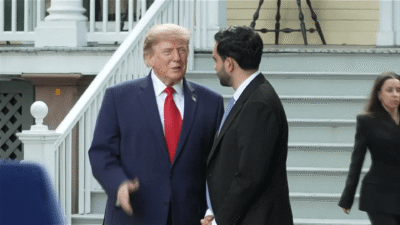
As the 66th day of the Iran conflict unfolds, significant developments have emerged on multiple fronts. Former U.S. President Donald Trump has announced a new military initiative dubbed the ‘Hormuz mission,’ aimed at addressing the increased tensions in the strategically vital Strait of Hormuz. The announcement comes in the wake of Iran’s statement that it has received a response from the United States regarding its previously submitted peace proposal, suggesting a potential shift in diplomatic engagements.
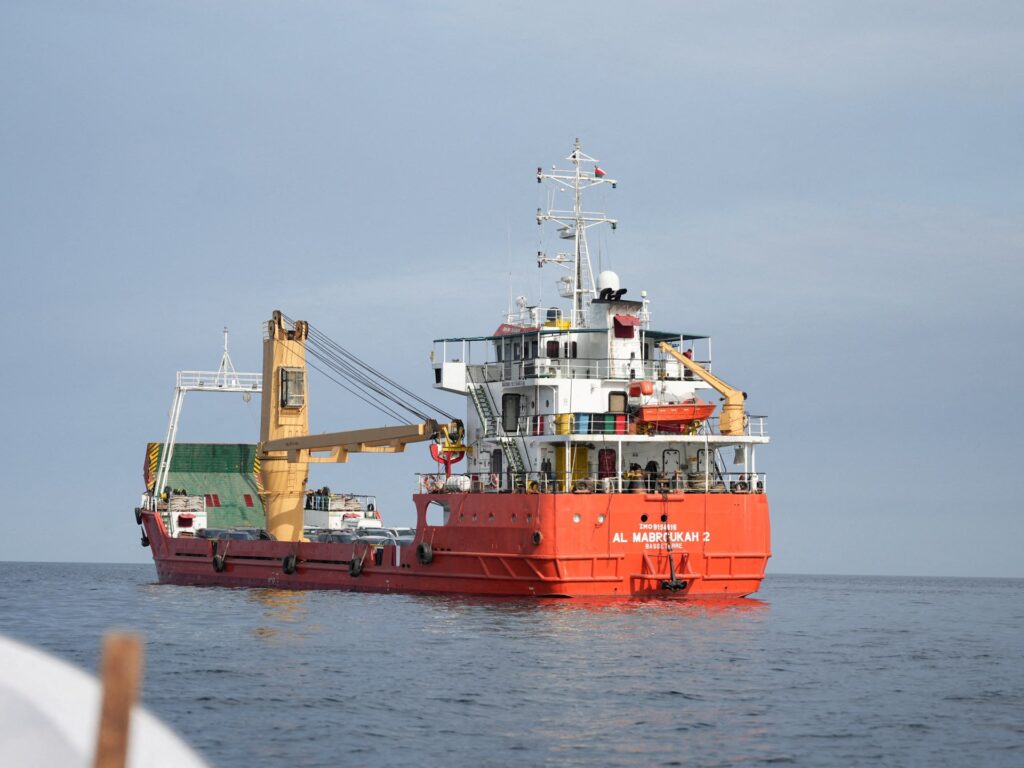
The Strait of Hormuz is a crucial chokepoint for global oil shipments, and any military activity in this region heightens concerns about energy security and regional stability. Trump’s Hormuz mission is seen as a direct response to Iran’s maneuvers and a measure to ensure the free flow of maritime traffic through the strait. While details of the mission remain limited, it is expected to involve naval operations to secure shipping lanes and deter hostile actions.
Iran’s claim of receiving a U.S. response to its peace proposal adds a complex layer to the conflict. Although the precise content of the response has not been publicly disclosed, it opens the door for potential diplomatic dialogue. Analysts speculate that this exchange could either pave the way for de-escalation or be a strategic maneuver within ongoing hostilities.
Since the conflict escalated over two months ago, the region has witnessed a series of military and diplomatic developments. Initial clashes led to increased sanctions and international condemnation. Efforts at dialogue have been tentative and overshadowed by incidents such as maritime confrontations and alleged cyber attacks.
International stakeholders remain cautious yet hopeful that this interaction over the peace proposal might herald a breakthrough. Meanwhile, Trump’s declaration of the Hormuz mission underscores the persistent volatility and the U.S. administration’s commitment to counter perceived threats from Iran.
The conflict has had significant geopolitical implications, affecting global oil prices, regional alliances, and international security dynamics. The ongoing developments emphasize the delicate balance between military preparedness and diplomatic outreach.
As day 66 progresses, global attention focuses on how these intertwined military and diplomatic moves will unfold. Observers anticipate further statements from both the U.S. and Iranian officials, with the potential for either escalation or reconciliation.
In sum, the latest phase of the Iran conflict encapsulates a complex interplay of military strategy and diplomatic negotiation, with the Hormuz mission and peace proposal response serving as pivotal points in this ongoing saga. The international community awaits clarity on the next steps, hoping for stability in a region long marred by conflict.