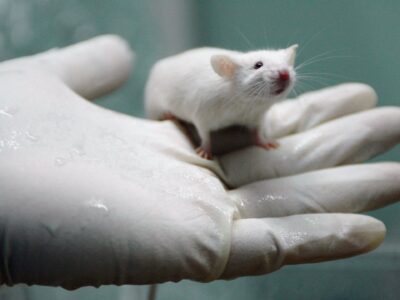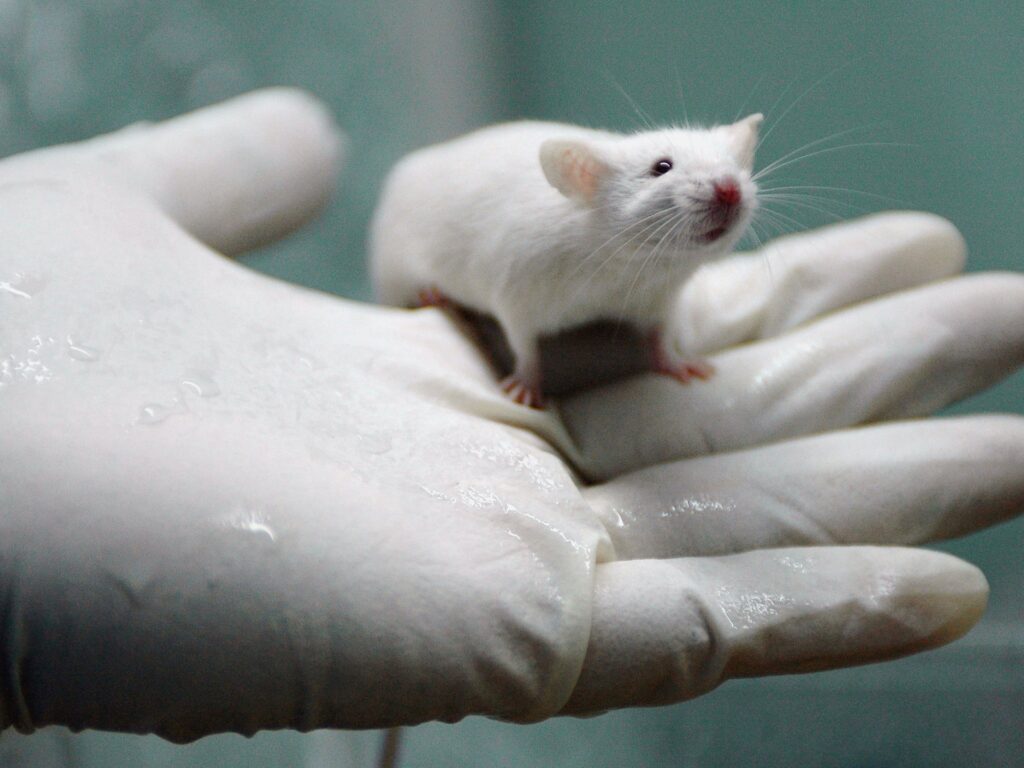
In recent years, groundbreaking scientific research has explored the possibility of growing human brain cells within animals, leading to the creation of what some researchers are calling “alien-cortical” mice. These genetically modified mice have been implanted with human brain cells, sparking widespread discussions about the implications for neuroscience, medicine, and ethics.
The primary motivation behind this research is to better understand human brain development, neurological diseases, and potential treatments by observing human cells in a living organism. Traditional models, such as rodents, often fail to fully replicate human brain functions, so integrating human cells offers a promising bridge to more accurate study models.
Scientists achieve this by introducing human neural progenitor cells into mouse embryos or adult brains. Over time, these cells integrate, proliferate, and form functioning neural networks within the host animal’s brain. This process results in “chimeric” brains, where human and mouse brain tissues coexist.
The potential benefits of this approach are immense. For example, creating animal models with human-like brain cells can help researchers better understand conditions like Alzheimer’s, Parkinson’s, autism, and schizophrenia. These models may lead to more effective drug testing, personalized medicine options, and innovative therapies that are difficult to develop through other modalities.
Despite these promising advancements, the creation of neurohybrids raises complex ethical questions. Some experts express concern about the extent to which human brain cells may influence the animal’s cognition, consciousness, or behavior. This uncertainty leads to debates about animal welfare, the moral status of chimeric creatures, and the boundaries of scientific exploration.
Bioethicists advocate for strict regulations and oversight to ensure that experiments remain focused on medical progress without compromising ethical standards. Questions also arise about long-term effects on these animals and their care.
Furthermore, there is public apprehension regarding the slippery slope of altering animals to possess human-like traits. Could such research inadvertently lead to unintended consequences or blur the lines between species in troubling ways?
To address these challenges, scientific communities emphasize transparency, dialogue, and interdisciplinary collaboration involving neuroscientists, ethicists, policymakers, and the public.
In conclusion, the development of “alien-cortical” mice represents a remarkable leap forward in brain research, offering unprecedented opportunities to explore human brain biology in vivo. However, it also demands careful ethical consideration and responsible stewardship to navigate the complex landscape of cross-species medical research. As this field evolves, balancing innovation with humane values will be vital to unlocking the full potential of these neurohybrid models for the benefit of human health and society.