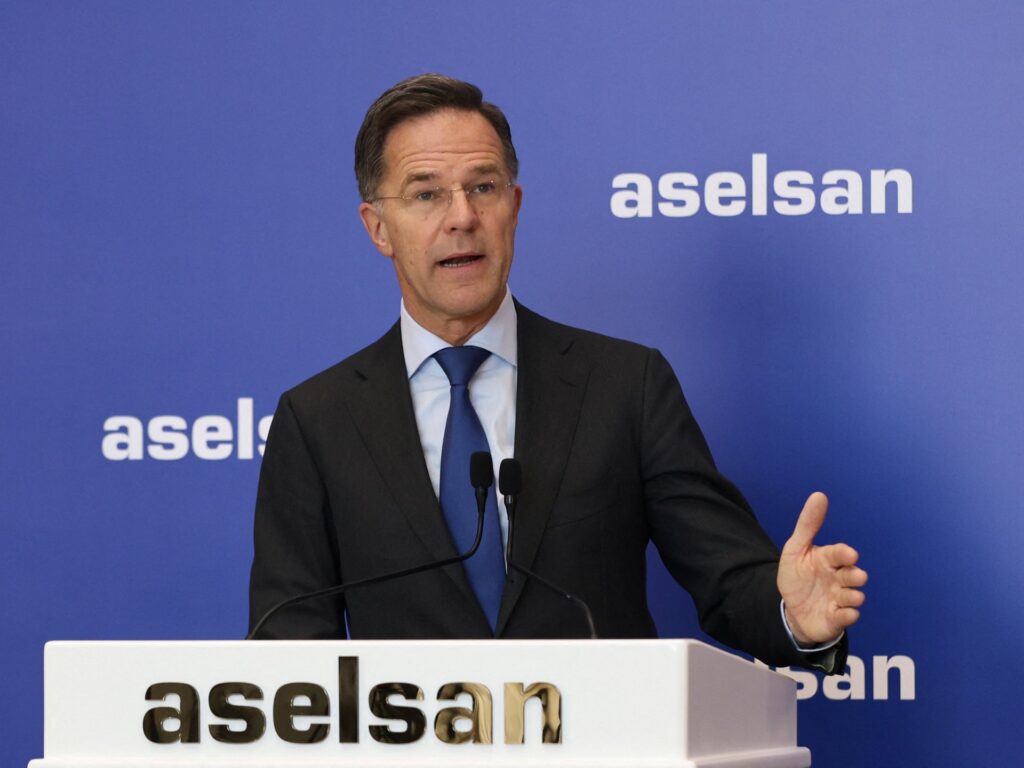
In recent developments surrounding the geopolitical tensions in the Middle East, NATO Chief has publicly commented on the evolving defense posture of European member states following pointed remarks from US President Donald Trump. President Trump has escalated his criticism, accusing some NATO countries of falling short in their defense spending obligations and not doing enough to support the ongoing US-Israel conflict against Iran.
The US President’s comments come at a time of heightened conflict involving the United States and Israel in a war against Iran, where the demand for allied support and resource sharing has intensified dramatically. These accusations spotlight deeper fractures in transatlantic defense cooperation and highlight the pressure on NATO members to bolster their military readiness and contributions.
The NATO Chief responded by affirming that European countries have taken the President’s messages seriously and are re-evaluating their defense strategies and budgets accordingly. This acknowledgment suggests a potential shift in European defense policy, aimed at strengthening NATO’s overall capability to respond effectively to current and future conflicts.
European nations have historically varied widely in their defense spending, often with many countries spending less than the NATO-agreed benchmark of 2% of GDP on defense. President Trump has frequently targeted these disparities, urging increased contributions to share the burden more equitably among alliance members.
The current conflict against Iran has further underscored this issue by demonstrating the need for joint strategic coordination, especially in terms of intelligence sharing, military logistics, and deployment capabilities. With the United States deeply involved on the frontline in this conflict, the demand for increased support from European allies has become more urgent.
The NATO Chief’s comment that Europeans have “gotten the message” is interpreted as a signal that European governments are responding to US pressure by committing to improve their defense postures and financial contributions to the alliance. This could lead to new defense initiatives, increased military exercises, and enhanced interoperability among NATO forces.
This statement arrives amid growing challenges faced by NATO, including concerns about collective defense readiness, cyber security threats, and the need to address emerging unconventional warfare tactics. Strengthening the alliance’s unity and operational capacity is critical, given the complex international environment and the persistence of threats posed by Iran and other regional actors.
As the US and Israel continue their military engagement with Iran, NATO’s role as a collective security organization is being tested. The alliance must balance differing national interests while maintaining a robust and unified front. The pressure exerted by the US President underscores the strategic imperative for European members to increase both their financial and material support.
In summary, the dialogue initiated by President Trump has evidently resonated within NATO countries, pushing European nations to reconsider their defense commitments. This response is crucial to ensure a coordinated and effective NATO stance in support of US-led efforts in the Middle East, particularly in the volatile context of the Iran conflict. Continued collaboration and increased defense investments among NATO members will be vital for sustaining the alliance’s strength and relevance in this critical period.