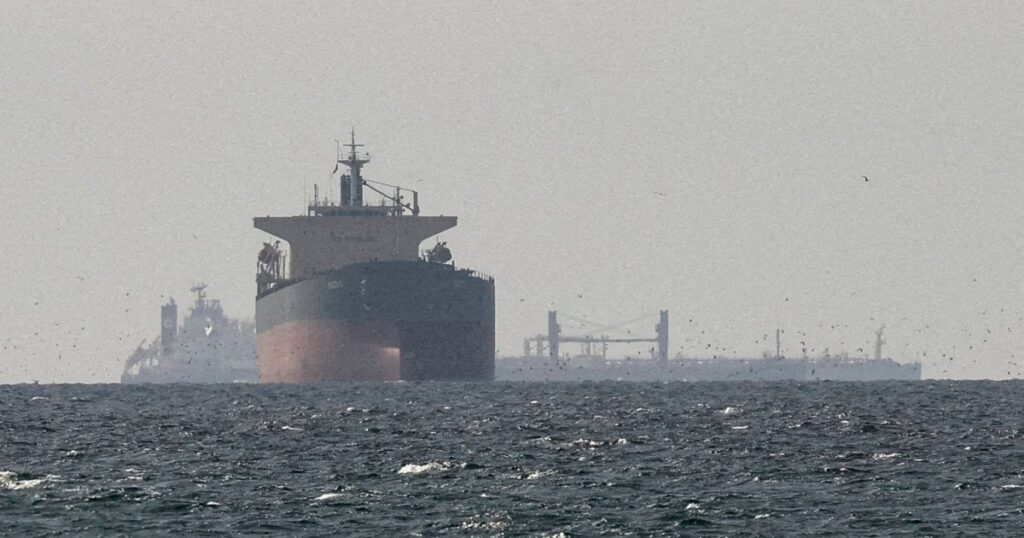
US President Donald Trump has announced a new naval mission aimed at escorting and guiding ships through the strategically critical Strait of Hormuz. This decision comes amid heightened tensions in the region, where the strait serves as a vital chokepoint for global oil shipments. In his statement, President Trump emphasized the importance of ensuring safe passage for maritime traffic, particularly for vessels that have become stranded or face potential threats while transiting this narrow waterway.
The Strait of Hormuz, located between the Persian Gulf and the Gulf of Oman, is one of the world’s most significant maritime passages, with a substantial percentage of global oil supply passing through. Recent geopolitical instability and confrontations involving regional powers have led to disruptions and increased risks for commercial and military vessels operating in the area.
President Trump’s announcement underscores a commitment to maintaining freedom of navigation and protecting international trade routes. The US Navy will take a more proactive role in escorting ships through the strait, which has historically been a flashpoint for conflicts involving Iran and its neighbors. This move is seen as an effort to deter aggressive actions and reassure allies dependent on the uninterrupted flow of energy resources.
The naval mission will include escort operations aimed at safeguarding ships from potential interference, including harassment or blockade attempts by hostile forces. This initiative also aims to alleviate the concerns of shipping companies and governments over the escalating tensions, which have resulted in some vessels being stranded or delayed.
Experts suggest that the US strategy seeks to uphold international maritime law and assert US presence in an area critical for global economic stability. It is expected that the increased naval escort will contribute to de-escalating tensions by providing a deterrent against provocations.
The announcement has received mixed reactions, with supporters highlighting the necessity of securing vital maritime corridors and opponents warning of potential for increased military confrontation. Regional stakeholders are closely monitoring the situation, understanding that the Strait of Hormuz’s security directly impacts energy markets and geopolitical dynamics.
In conclusion, the US naval mission to guide stranded ships through the Strait of Hormuz marks a significant step in addressing the challenges posed by regional tensions. It reflects a broader strategic approach to safeguard navigation, protect commerce, and maintain stability in one of the world’s most geopolitically sensitive areas.