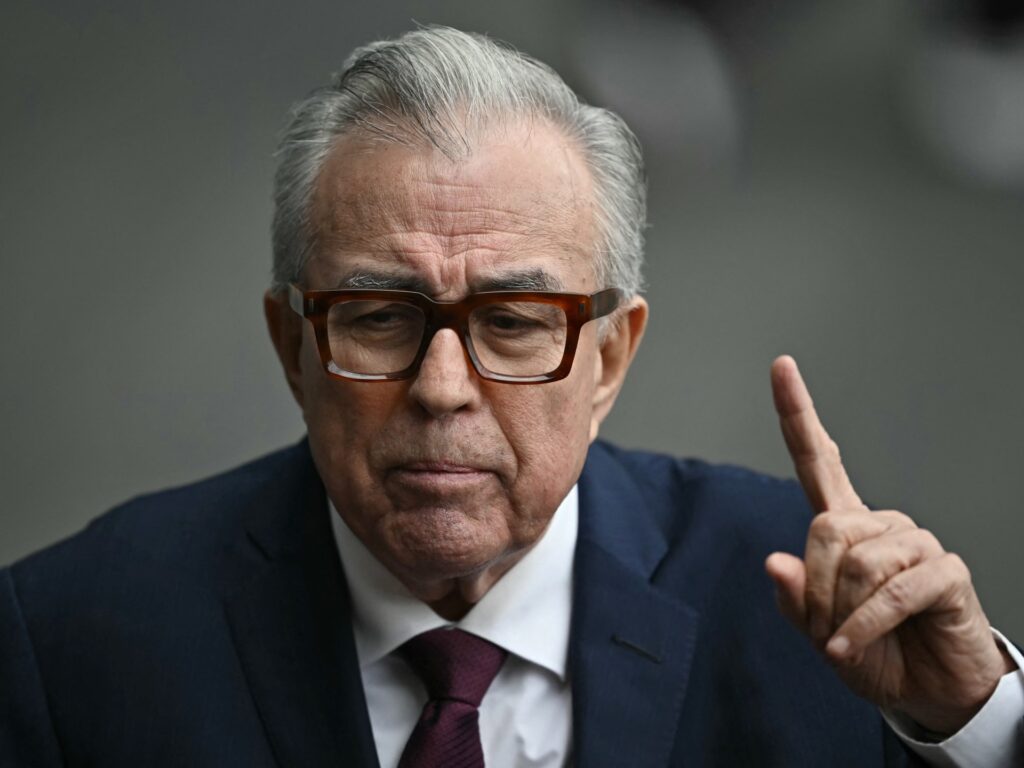
In a significant political and legal development, Ruben Rocha Moya, the governor of Mexico’s Sinaloa state, has resigned from his position amid serious allegations of involvement in drug trafficking. The accusations link him to shielding cartel activities that have long plagued the region, although Rocha Moya has firmly denied these claims.
Sinaloa, a state infamously known as a stronghold for powerful drug cartels, has been under intense scrutiny from both Mexican and U.S. authorities. The latest allegations against Governor Rocha Moya stem from a U.S. investigation that accuses him of protecting cartel operations from law enforcement efforts, potentially facilitating drug trafficking activities.
In response to the accusations, Governor Rocha Moya has declared his intention to take “temporary leave” from office to focus on defending himself legally. He maintains his innocence, asserting that he has not engaged in any illicit activities or collusion with criminal organizations.
His resignation marks a critical moment for Sinaloa’s political landscape, considering the state’s pivotal role in the ongoing battle against drug cartels. As governor, Rocha Moya wielded significant influence over law enforcement and political decisions, making these allegations particularly alarming for the public and government bodies.
Observers note that the resignation could also be a strategic move to distance the administration and the state from the legal proceedings, possibly mitigating political fallout and allowing the government to maintain stability during the investigation.
The case highlights the complex relationship between politics and organized crime in Mexico. Despite ongoing efforts to combat drug trafficking, corruption and cartel infiltration remain persistent issues, sometimes reaching the highest levels of government.
U.S. authorities have been actively pursuing investigations against Mexican officials suspected of cartel collaboration, reflecting broader bilateral cooperation to address transnational criminal networks. The charges against Rocha Moya underscore the challenges faced in dismantling these networks when they allegedly have protection from officials.
The international community is closely watching the developments in Sinaloa, given the implications for regional security and the fight against drug trafficking. This incident renews calls for transparency, accountability, and reform in areas vulnerable to cartel influence.
As Rubén Rocha Moya steps down, questions remain about the future leadership of Sinaloa and the ongoing efforts to combat drug-related crime. The state’s residents, government officials, and external partners await further updates on the legal proceedings and the broader impact on Mexico’s drug war.
This resignation also serves as a reminder of the persistent challenges in the fight against narcotrafficking, highlighting the need for sustained vigilance and cooperation across borders to curtail criminal enterprises that exploit governance weaknesses.
In conclusion, the resignation of Sinaloa’s governor amid such grave allegations represents a critical juncture in Mexico’s struggle against drug cartels. It exposes the vulnerabilities within political structures and reinforces the importance of strengthening rule of law and institutional integrity in the region.