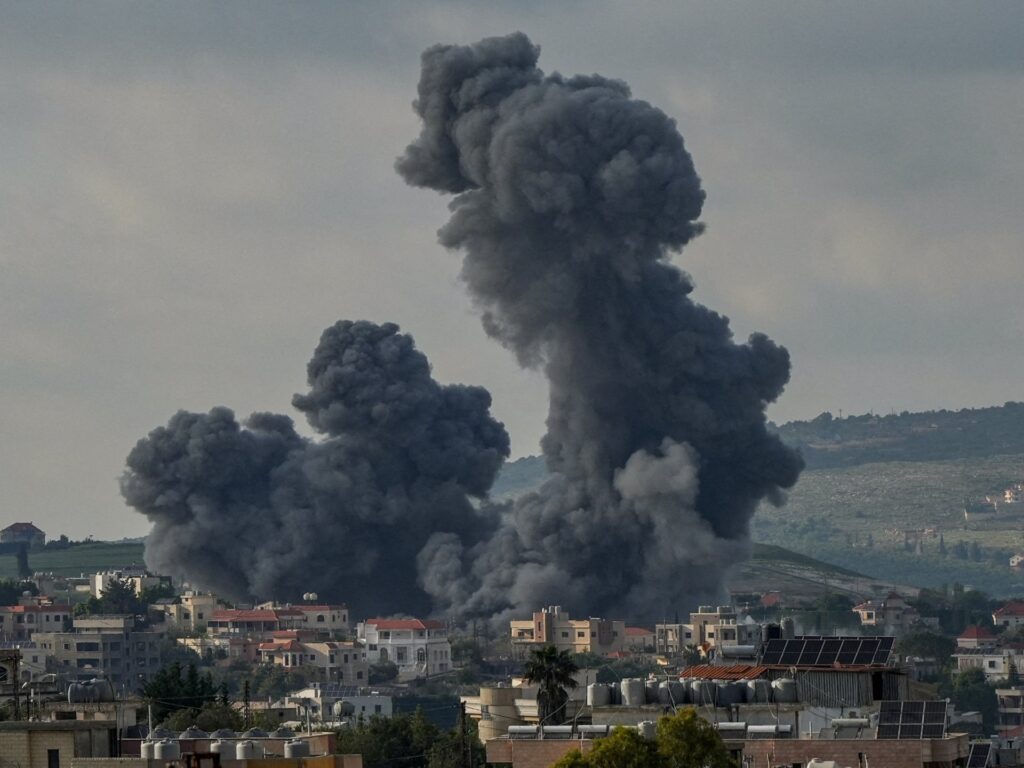
In a severe escalation of violence, Israeli air strikes on Lebanon have recently resulted in the deaths of 41 individuals within a span of 24 hours. This surge in conflict has exacerbated the already dire situation in the region, where the ongoing violence has taken a significant toll on human life and infrastructure.
Since March 2, the violent exchanges have claimed a total of 2,659 lives in Lebanon, with the number of injured surpassing 8,183. These figures highlight the devastating impact the hostilities are having on the civilian population, fueling concerns over humanitarian conditions and the urgent need for a cease-fire.
The current air strikes represent one of the most intense periods of conflict witnessed in recent times. The loss of lives and injuries have stressed the health system, which is struggling to provide adequate care and support to the victims. Hospitals are overwhelmed, and there is a dire shortage of medical supplies and personnel.
International bodies and humanitarian organizations have repeatedly called for immediate cessation of hostilities to prevent further casualties and destruction. Diplomatic efforts continue as global powers push for dialogue and peace negotiations to end the cycle of violence.
The situation remains volatile as residents in Lebanon live in constant fear of additional attacks, grappling with displacement, loss of property, and the trauma of war. The international community watches closely, urging restraint and protection of civilians.
As the death toll climbs and injuries mount, the urgency for a sustainable resolution becomes increasingly critical. The world hopes for an end to the bloodshed and a path toward recovery and peace for Lebanon and the broader region.