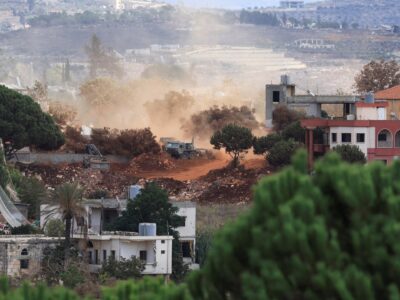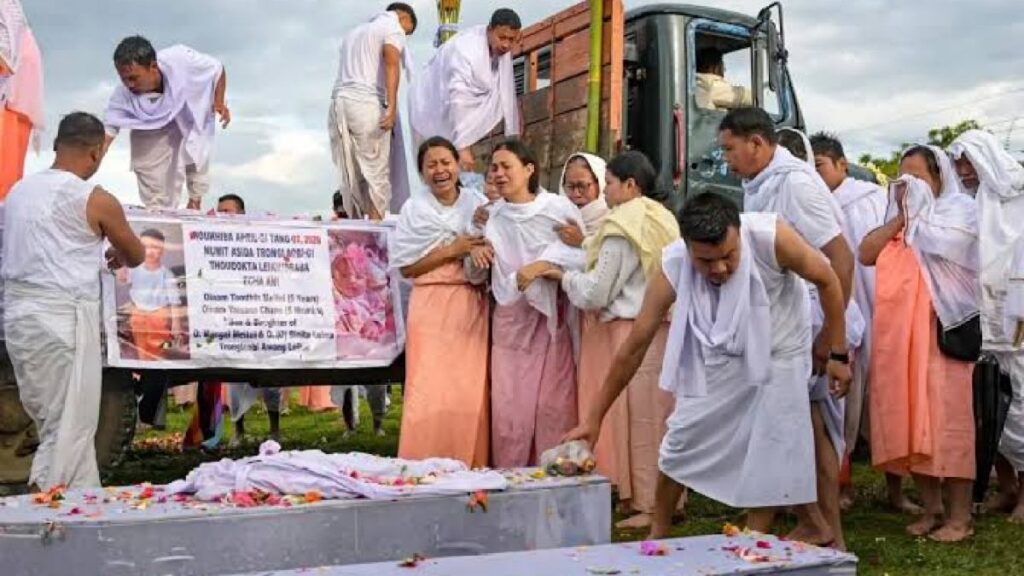
The northeastern Indian state of Manipur has been embroiled in a violent ethnic conflict that has persisted and evolved over the last three years. Despite numerous incidents of bloodshed, the true identities of many assailants remain officially unconfirmed, contributing to a complex and unresolved security dilemma.
The conflict in Manipur is deeply rooted in ethnic tensions among various indigenous communities, compounded by political, social, and economic issues. Over the past three years, these tensions have escalated to violent clashes, leading to significant loss of life and widespread disruption.
Initially, the violence was marked by sporadic attacks and retaliations between ethnic groups, but it has since mutated into a more organized and deepened conflict involving multiple factions. Armed groups have emerged, perpetuating cycles of revenge and fear.
Despite the severity and duration of the violence, many attacks remain shrouded in mystery, with assailants often unidentified or deliberately unnamed in official reports. This anonymity has hindered effective investigations and accountability, allowing the conflict to fester.
The state government and security forces face criticism for their response, with accusations of inaction, bias, and human rights violations. Civilians caught in the crossfire suffer immensely, facing displacement, loss of livelihoods, and trauma.
Efforts to resolve the conflict through dialogue and peace initiatives have been intermittent and largely unsuccessful. The involvement of various insurgent groups with differing agendas makes consensus challenging.
The ongoing violence in Manipur underlines the challenges of managing ethnic diversity and addressing historical grievances in a sensitive region. It also highlights the need for transparent investigations, justice for victims, and sustainable peace-building measures.
As the conflict endures, the plight of ordinary citizens remains dire. Without a concerted and inclusive approach, Manipur’s cycle of violence is likely to persist, threatening the stability and development of the region for years to come.