Despite a declared ceasefire, at least four people have been killed in Israeli attacks in Gaza, highlighting the fragility and complexity of the conflict in the region. The violence erupted as Israeli forces continued to advance into western Gaza, gradually expanding their control further eastward. This military movement signifies a strategic push into areas that have been under contentious control, raising tensions and civilian safety concerns.
The attacks have drawn international attention and condemnation, as ceasefires are intended to halt hostilities and open channels for peace talks and humanitarian aid. The ongoing incursions and shelling, however, demonstrate the challenges in maintaining such truces amid the protracted conflict.
Residents of Gaza report that the situation remains volatile, with increased military presence and sporadic exchanges of fire disrupting daily life. The recent advances by Israeli forces have involved both ground troops and aerial support, aiming to dismantle militant networks and infrastructure within Gaza. This approach has resulted in significant destruction and loss of civilian life, exacerbating the humanitarian crisis in the enclave.
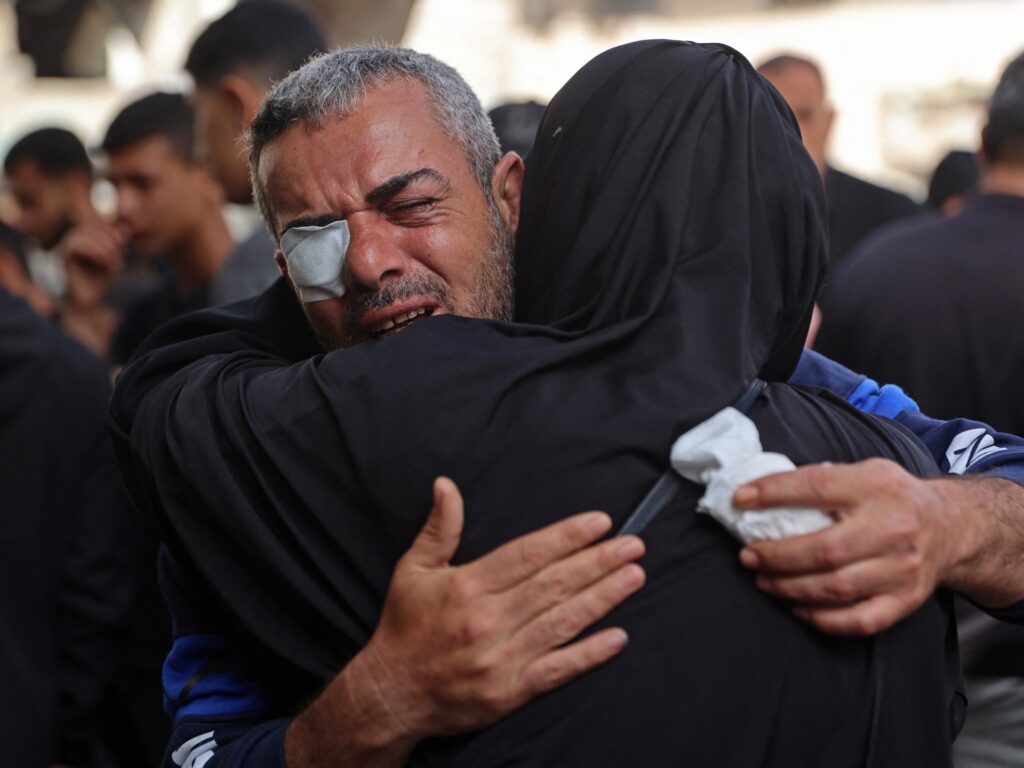
Human rights organizations have expressed grave concern over the fatalities and injuries resulting from these operations. The reported deaths include civilians, though the specifics around each incident remain contested between the involved parties. Medical facilities in Gaza are overstretched, coping with a surge in casualties amid shortages of medical supplies and electricity.
The broader Israeli-Palestinian conflict underpins these hostilities, with deep-rooted historical, political, and territorial disputes fueling the cycle of violence. Ceasefires have repeatedly been negotiated and broken, reflecting the complexity of achieving a lasting peace agreement.
International bodies and governments worldwide have called for restraint and a renewed commitment to dialogue to prevent further escalation. Calls for humanitarian corridors to ensure the safe passage of civilians and aid have been a critical part of these appeals.
The latest developments underscore the urgency for renewed diplomatic efforts and a reevaluation of strategies to address the security concerns of all parties involved. Without a durable solution, these flare-ups of violence risk becoming a chronic state, causing prolonged suffering for the civilian populations caught in the crossfire.
As the situation evolves, monitoring from international observers and continued dialogue among stakeholders remain essential to de-escalate tensions and protect innocent lives in Gaza and Israel.