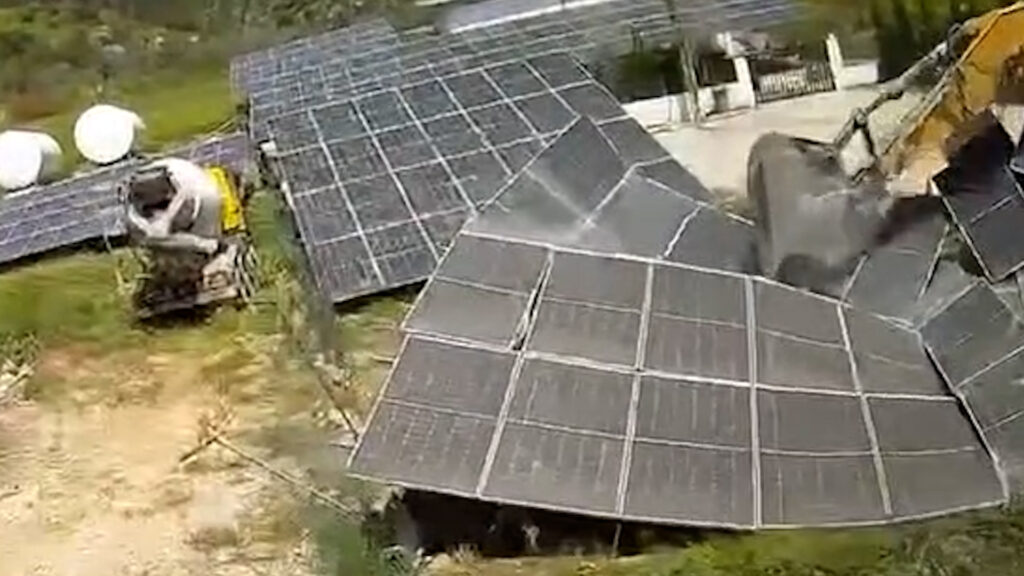
In recent developments, Israel has carried out operations targeting solar panel installations in southern Lebanon. This act has raised significant concerns regarding the ongoing tensions between the two regions. Solar panels, an essential source of renewable energy, have been increasingly adopted in Lebanon for sustainable power solutions, especially in the south.
The destruction of these solar panels by Israel represents not only a physical setback for local infrastructure but also adds to the broader geopolitical strain. Analysts suggest that such actions might be part of a larger strategy linked to security concerns and border disputes that have long characterized Israel-Lebanon relations.
Local authorities in Lebanon have condemned the attacks on the solar installations, highlighting the importance of renewable energy for the environmental and economic stability of the region. They argue that targeting civilian infrastructure comprised of sustainable resources undermines peace efforts and affects the livelihoods of those dependent on such energy sources.
International reactions have been mixed, with some calling for restraint and dialogue to prevent further escalation, while others urge for protective measures to safeguard critical infrastructure from military conflicts. The United Nations and other global organizations have been monitoring the situation closely, advocating for peaceful resolutions and the protection of civilian assets.
This incident reflects the complex dynamics in southern Lebanon, where energy needs, political tensions, and security issues intersect. The destruction of renewable energy facilities could have long-term implications for energy accessibility and environmental goals in the region.
Experts emphasize the necessity of maintaining open communication channels between Israel and Lebanon to mitigate further damage and focus on cooperative solutions that can benefit both parties. Renewable energy projects have the potential to serve as bridges for collaboration, provided that political will and security assurances are established.
The local population in southern Lebanon faces challenges beyond energy shortages, including economic difficulties and displacement due to ongoing conflicts. The loss of solar panels exacerbates these hardships by limiting access to clean and reliable power.
In conclusion, the targeted destruction of solar panels in southern Lebanon by Israel marks a concerning development that impacts not only the physical infrastructure but also the broader socio-political landscape. It underscores the urgent need for dialogue, diplomacy, and respect for civilian infrastructure to foster peace and sustainable development in the region.