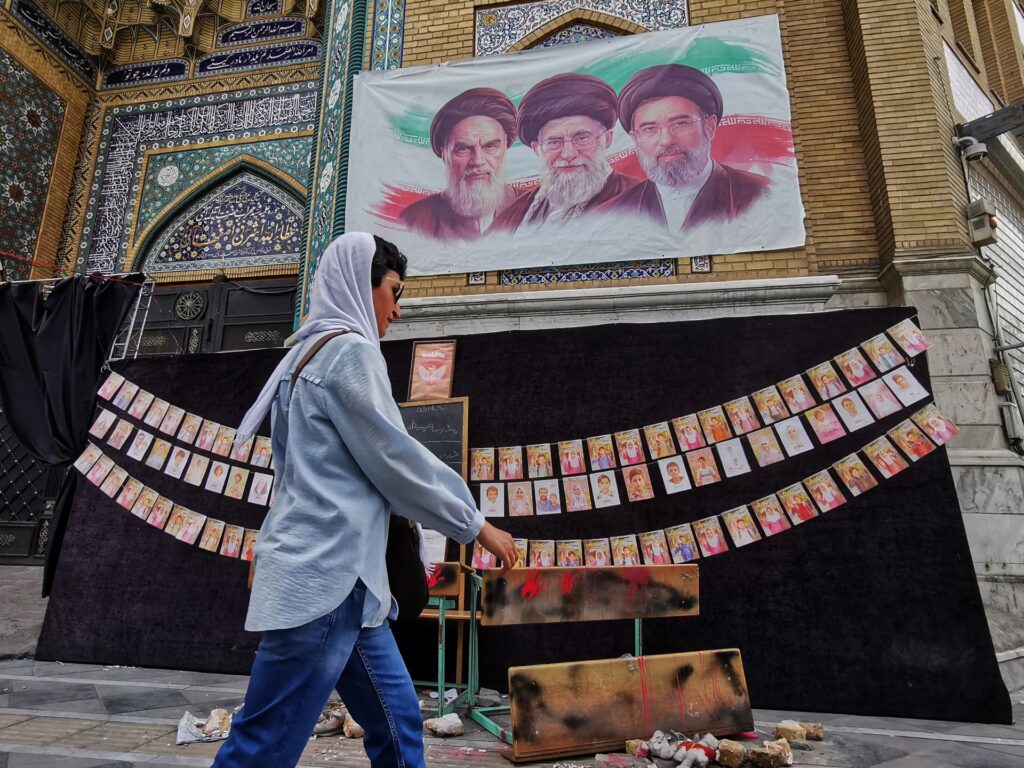
Tensions escalate in the Iran conflict as Iran firmly states no negotiations will take place under siege conditions. This declaration comes amid significant diplomatic activity, including the departure of Iranian Foreign Minister Abbas Araghchi from Pakistan. Meanwhile, former U.S. President Donald Trump criticized Iran’s diplomatic efforts, stating that Iran has not made a satisfactory offer in ongoing discussions.
The situation is tense as Iran resists talks under pressure, emphasizing sovereignty and rejecting what it calls coercive measures. Foreign Minister Abbas Araghchi’s recent visit to Pakistan was closely monitored as part of Iran’s strategy to engage with regional neighbors amid growing international sanctions and military threats.
Trump’s comments highlight the skepticism in Washington regarding Iran’s intentions and the credibility of its proposals. He maintains that the United States seeks a genuine resolution but is unwilling to accept offers perceived as inadequate or insincere.
The regional impact of the conflict is profound. Pakistan, a key neighbor, plays a crucial role as a diplomatic intermediary and potential stabilizing force. Abbas Araghchi’s discussions in Pakistan were seen as an effort to rally support and explore avenues for de-escalation.
Despite diplomatic efforts, Iran’s stance remains resolute in refusing talks while under siege, signaling a tough road ahead for peace negotiations. The international community watches closely as the situation evolves, with deep concerns about the risk of further conflict and humanitarian consequences.
Key points from the developing story include:
– Iran’s firm rejection of talks under siege conditions reinforces its strategic position.
– Abbas Araghchi’s diplomatic visit to Pakistan signals attempts to strengthen regional alliances.
– Trump’s critique points to ongoing distrust and challenges in diplomatic negotiations.
– The role of Pakistan as a neighbor and mediator is highlighted amid the conflict.
– International observers express concern over escalating tensions and the potential for broader instability.
The coming days will be critical in determining whether diplomacy can prevail or if the conflict will intensify further. Stakeholders worldwide are advocating for peaceful resolution and caution against aggressive posturing that could lead to wider regional or global repercussions. Iran’s declaration and the responses it triggers will shape the geopolitical landscape in the immediate future.