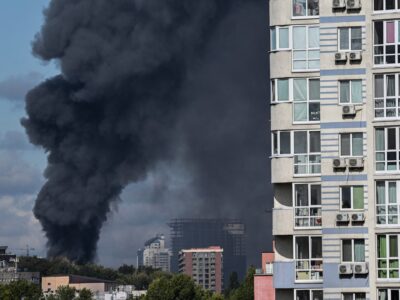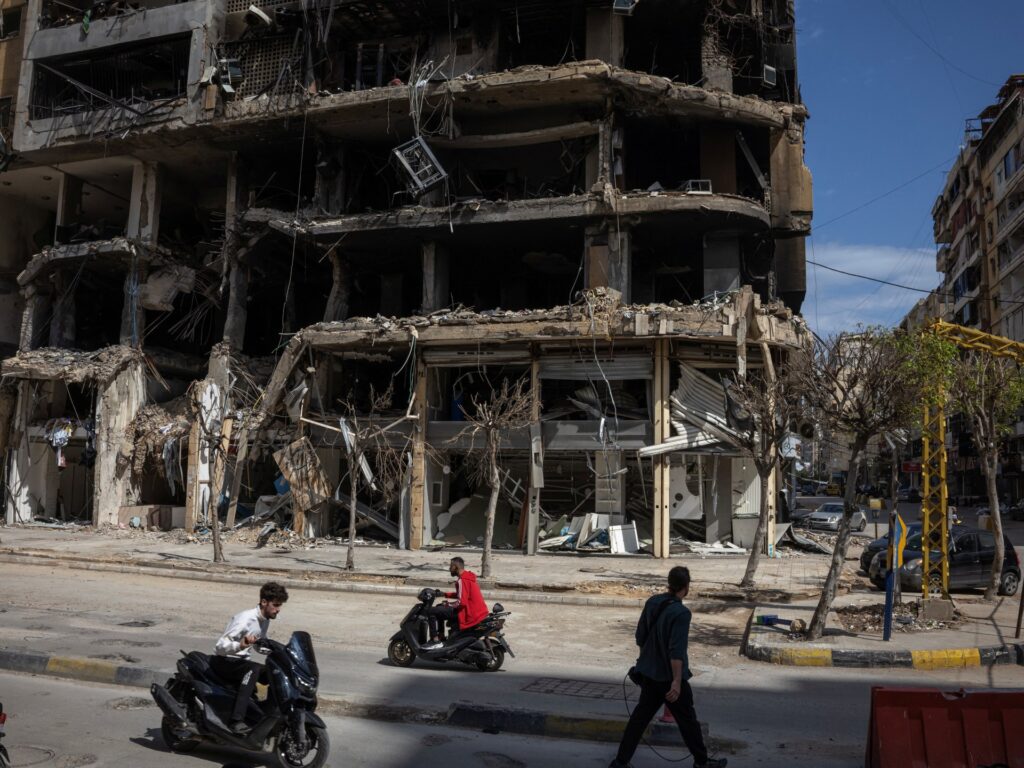
In a significant escalation of tension in the region, Israeli forces have killed four individuals in Lebanon following targeted raids in the town of Yohmor al-Shaqif. According to state media reports, the attacks involved strikes on a truck and a motorcycle, resulting in the deaths of four people. This incident marks one of the deadliest breaches of the ceasefire agreement between the neighboring countries in recent times and has raised concerns about the stability of the fragile peace.
The town of Yohmor al-Shaqif, located near the southern border of Lebanon, has been a hotspot for conflict between Israeli forces and Lebanese groups. The targeting of a truck and motorcycle indicates a tactical strike likely aimed at intercepting suspected militants or transporting arms. However, the attack has led to civilian casualties, thereby drawing criticism and calls for restraint from various international observers.
This escalation follows a period of relative calm after previous ceasefire agreements brokered by international parties. Analysts suggest that the recent violations may be part of a broader strategy by Israeli forces to curb cross-border attacks and the movement of weapons. However, these actions risk undermining the ongoing peace process and provoking further retaliatory strikes.
Lebanese government officials have condemned the raids, labeling them as violations of Lebanese sovereignty and calling for diplomatic responses to prevent further deterioration of the situation. The Lebanese population in the affected regions is reportedly on high alert, with increased military presence and heightened tensions.
International bodies, including the United Nations, have urged both parties to exercise restraint and recommit to the ceasefire to avoid a wider conflict. Calls for renewed dialogue and negotiation underline the importance of maintaining peace and security in the region.
The killing of four people in Yohmor al-Shaqif thus not only reflects a dangerous breach of ceasefire terms but also highlights the precarious nature of regional stability. Continued monitoring of the situation is essential as further developments unfold, potentially impacting broader geopolitical dynamics in the Middle East.