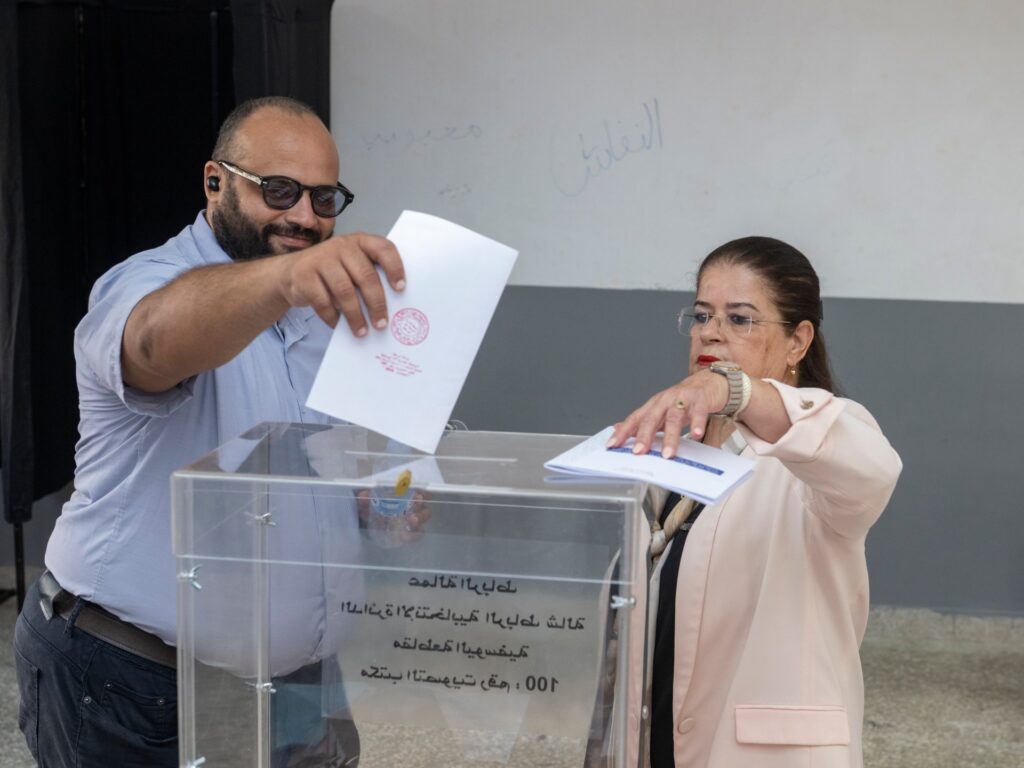
Today, millions of Moroccans across the nation are heading to the polls to elect members of a new 395-seat parliament. This election comes at a crucial time when the country is grappling with economic uncertainty, placing significant weight on the voters’ decision as it will shape Morocco’s future governance and policies.
The electoral process has been bolstered by the introduction of a new digital proxy voting system along with strengthened anti-fraud measures aimed at ensuring transparency and integrity of the election. These measures represent a key effort by election authorities to increase voter confidence and tackle historical concerns over electoral fraud.
The country’s political landscape is poised for dynamic changes, with parties campaigning on platforms that address economic reforms, job creation, social welfare, and modernization. The economic challenges Morocco faces include inflation pressures, unemployment rates, and the need for sustainable development initiatives.
Citizens are highly engaged in discussions about the future of their country as this parliamentary election is seen as a referendum on how well the government manages economic issues and social progress.
Election observers and analysts are closely monitoring the voting process, highlighting the significance of this democratic exercise in reinforcing Morocco’s political stability.
The new parliament will play a pivotal role in steering Morocco through economic reforms, addressing citizens’ concerns, and shaping policies that impact everyday life. Voter turnout and the election results are expected to provide critical insights into public sentiment and the direction Morocco will take in the coming years.
In summary, Morocco’s parliamentary elections today carry not just the weight of selecting representatives but also the hopes and aspirations of a nation eager for economic stability and progress.