Former U.S. President Donald Trump has placed the onus on Iran’s authorities amidst escalating tensions over the nuclear issue. Recent developments indicate that Tehran is adopting a more hardened stance, with some officials within Iran insisting on a complete cessation of any further nuclear talks. These officials argue that the ongoing threats and blockades faced by Iran justify their refusal to entertain dialogue.
The situation has intensified as Iran faces international pressure and economic challenges, leading to heightened rhetoric and strategic posturing by Tehran’s leaders. Trump’s remarks appear to highlight the responsibility of Iran’s government for the current impasse, suggesting that their unwillingness to engage in diplomacy exacerbates the crisis.
Iran’s nuclear program has long been at the center of geopolitical contention, with concerns over nuclear proliferation prompting numerous negotiations and agreements, including the 2015 Joint Comprehensive Plan of Action (JCPOA). However, following the U.S. withdrawal from the JCPOA under Trump’s administration and the re-imposition of sanctions, relations have soured, complicating efforts to revive the accord.
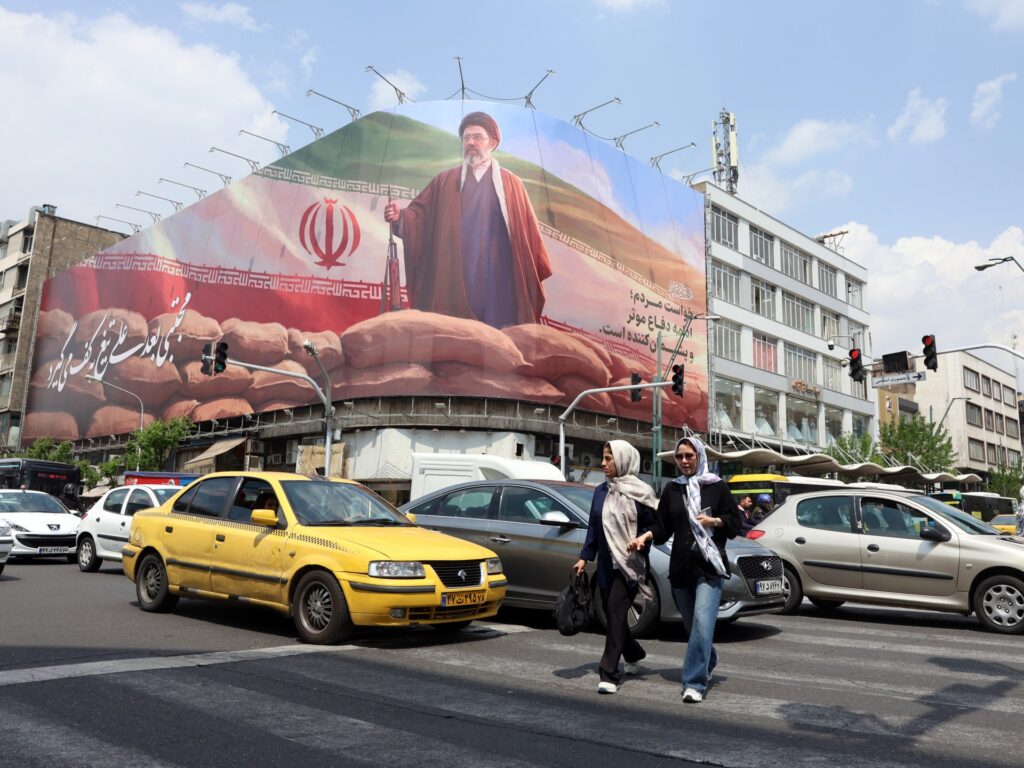
Multiple Iranian officials have echoed a tough rhetoric, urging resistance against what they perceive as external threats and unfair sanctions. They advocate that any engagement should only proceed on terms favorable to Iran, and some have dismissed the possibility of further talks altogether, viewing diplomatic overtures as ineffective or disingenuous.
The blockade and threats referenced by Iranian officials relate to ongoing economic sanctions and military pressures exerted by the U.S. and its allies. These measures aim to curb Iran’s nuclear ambitions but have also led to significant economic hardship within the country.
Trump’s comments come at a time when international actors are pushing for renewed negotiations to avoid escalation and potential conflict. The U.S. administration’s stance remains critical of Iran’s nuclear activities, yet it also emphasizes the possibility of diplomacy if Iran is willing to engage constructively.
Analysts suggest that the hardened stance by Tehran reflects internal political dynamics, with hardliners seeking to consolidate power by rejecting concessions to the West. This internal divide could influence Iran’s future approach to the nuclear issue and international relations.
The situation remains fluid, with potential ramifications for regional stability and global non-proliferation efforts. Observers note that a prolonged deadlock could increase the risk of military confrontations and further destabilize the Middle East.
In conclusion, Trump’s attribution of responsibility to Iran’s authorities signals a complex and tense phase in nuclear diplomacy. The hardened stance by Tehran’s officials, coupled with international pressures, underscores the challenges in reaching a peaceful resolution. The path forward likely depends on Iran’s willingness to reconsider its position and the international community’s approach to engagement and sanctions.