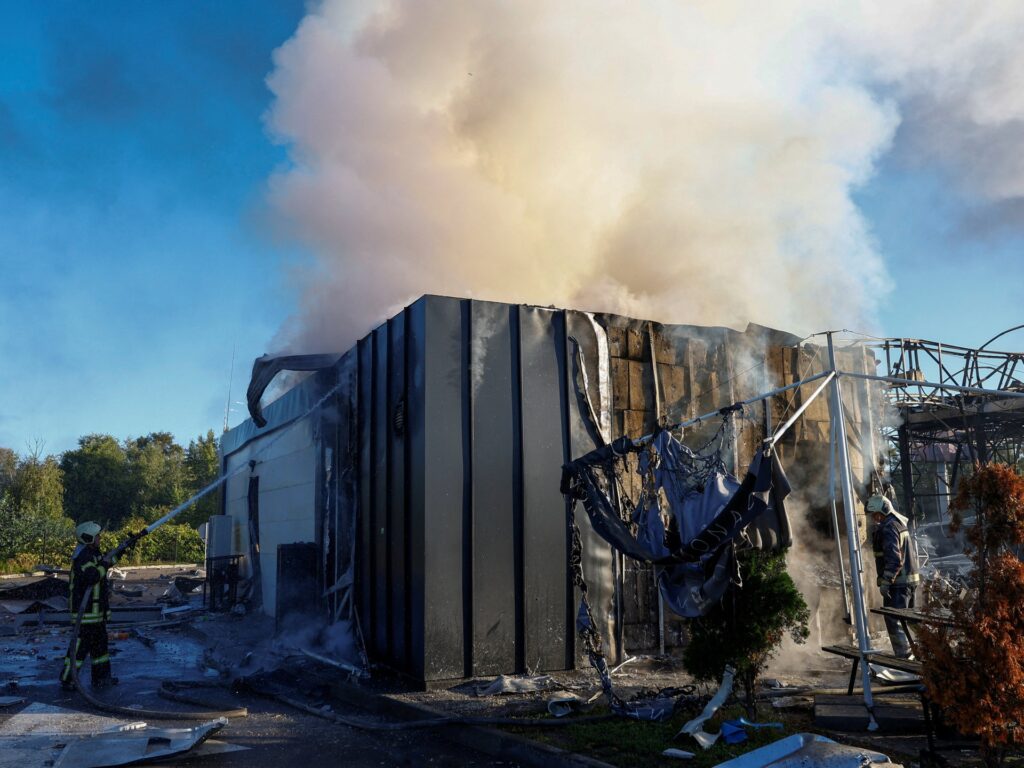
As the conflict between Russia and Ukraine drags on, former U.S. President Donald Trump has proposed an ‘energy truce’ aimed at halting attacks on critical energy infrastructure. This suggestion comes amid continued airstrikes and assaults on energy facilities, which have had profound effects on civilian life, regional stability, and global energy markets.
The idea behind the proposed energy truce is to establish a temporary cessation of hostilities specifically targeting oil, gas, and electricity infrastructure. Both sides have suffered significant damage to these facilities, leading to power outages, fuel shortages, and an overall disruption of daily life for millions of people.
Trump’s initiative hopes to provide a humanitarian respite and possibly create a space for broader negotiations. However, experts express skepticism about the feasibility of such a truce.
One of the key challenges is verification and enforcement. Given the ongoing intense military confrontations, ensuring that neither side violates the terms would be exceedingly difficult. Previous attempts at localized ceasefires during the Ukraine conflict have often broken down quickly, further complicating prospects.
Moreover, energy infrastructure is strategically valuable; it fuels military operations and underpins economies. Both Russia and Ukraine might be reluctant to fully commit to abstaining from targeting such assets, fearing that the other side could exploit the truce for tactical advantage.
International reactions to Trump’s proposal have been mixed. Some view it as a pragmatic step towards de-escalation, while others see it as overly simplistic given the complexity of the conflict.
Russia has continued striking Ukrainian energy targets to undermine the country’s resilience and force concessions, while Ukraine has targeted Russian energy lines to disrupt logistics and supply.
The conflict’s impact on global energy supplies has caused price volatility and concerns about energy security worldwide, making a halt to damage on energy infrastructure an issue with far-reaching implications.
Humanitarian agencies also support the concept of protecting critical infrastructure to reduce civilian suffering and maintain access to essential services.
Nevertheless, the question remains whether an ‘energy truce’ can endure in the midst of a brutal and multifaceted war.
Ultimately, while the idea embodies a hope for a negotiated pause in one aspect of the conflict, its success depends on political will, mutual trust, and international support. Until then, attacks on energy sites are likely to continue, prolonging hardships for civilians and contributing to the conflict’s complexity.