The United States has imposed sanctions on the Hengli refinery in China due to its continued purchase of Iranian oil, a move that the US Treasury claims has financially benefited Iran’s military by hundreds of millions of dollars. This refinery, often referred to by officials as a ‘teapot’ refinery due to its relatively small size compared to other Chinese refineries, has played a significant role in circumventing international sanctions on Iran.
According to the US Treasury, the Hengli refinery’s transactions involving Iranian oil have provided substantial financial resources to Iran’s military apparatus. These revenues are said to contribute directly to activities that the US government views as destabilizing and contrary to international peace efforts.
The sanctioning of the Hengli refinery marks a renewed effort by the US to tighten restrictions on entities that help Iran bypass sanctions and earn foreign currency. The US has maintained sanctions on Iranian oil exports as part of its broader strategy to pressure the Iranian regime over its nuclear program and regional influence.
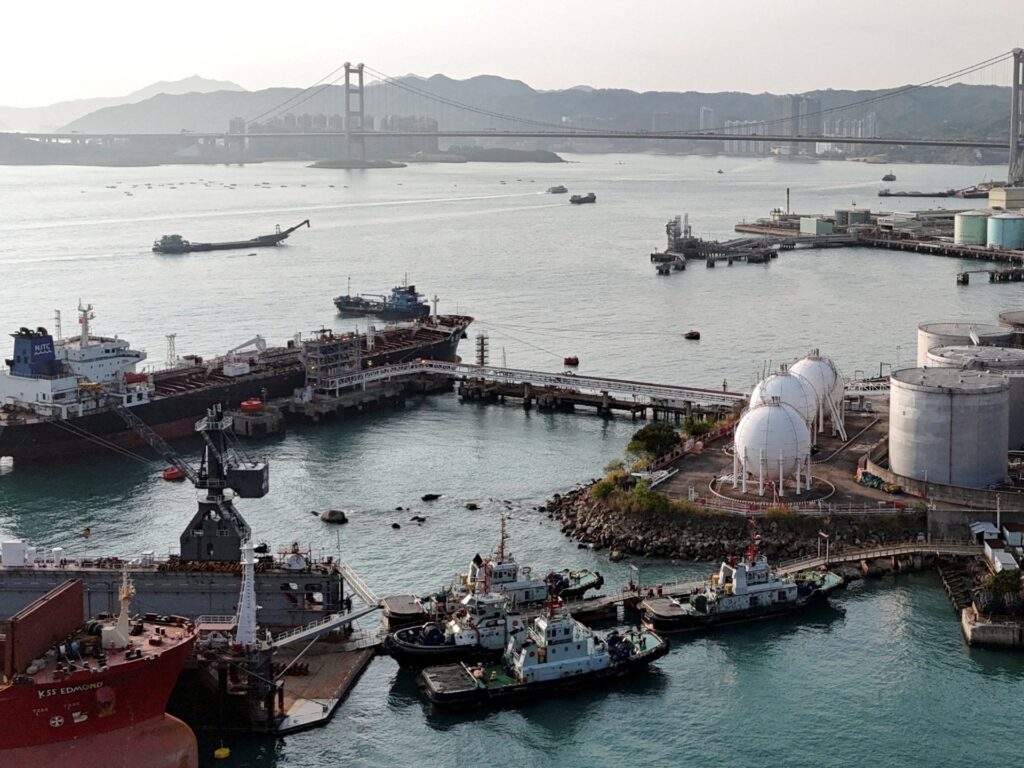
Hengli, based in China, operates a refinery that processes oil and chemicals. Despite being categorized as a smaller facility, it has managed to acquire significant quantities of Iranian crude oil. This activity has drawn critical attention from Washington, which argues that such actions undermine global sanctions regimes designed to isolate Iran economically.
China has been one of the primary buyers of Iranian oil despite US sanctions, using alternative payment and trade mechanisms to keep the oil flowing. The Chinese government’s stance has often conflicted with that of the US, leading to increasing diplomatic tensions between the two superpowers.
The US Treasury’s designation of Hengli as a sanctioned entity aims to cut off access to the international financial system and restrict it from conducting any business with US persons or entities. This move serves as a warning to other companies and countries that engage in trade with sanctioned Iranian entities.
Furthermore, this development sends a broader message regarding the US commitment to enforcing its sanctions regime and the consequences for companies that knowingly facilitate Iran’s oil exports. The US government has frequently highlighted the links between Iranian oil revenue and funding for military actions and proxy groups in the Middle East.
Analysts believe the targeting of the Hengli refinery could strain US-China relations further, given China’s strategic interest in maintaining energy security and economic ties with Iran. However, the US asserts that such measures are necessary to ensure compliance with international efforts to prevent Iran from advancing its nuclear ambitions.
The Hengli refinery’s sanctioning follows a series of US actions against other entities globally suspected of assisting Iran in evading sanctions, reinforcing a tough stance on Iran’s oil industry.
In conclusion, the US sanctions on the Hengli refinery underscore a critical aspect of the ongoing geopolitical struggle involving Iran’s energy exports and the world’s response to its military activities. The situation remains dynamic, with potential implications for global energy markets and international diplomacy.