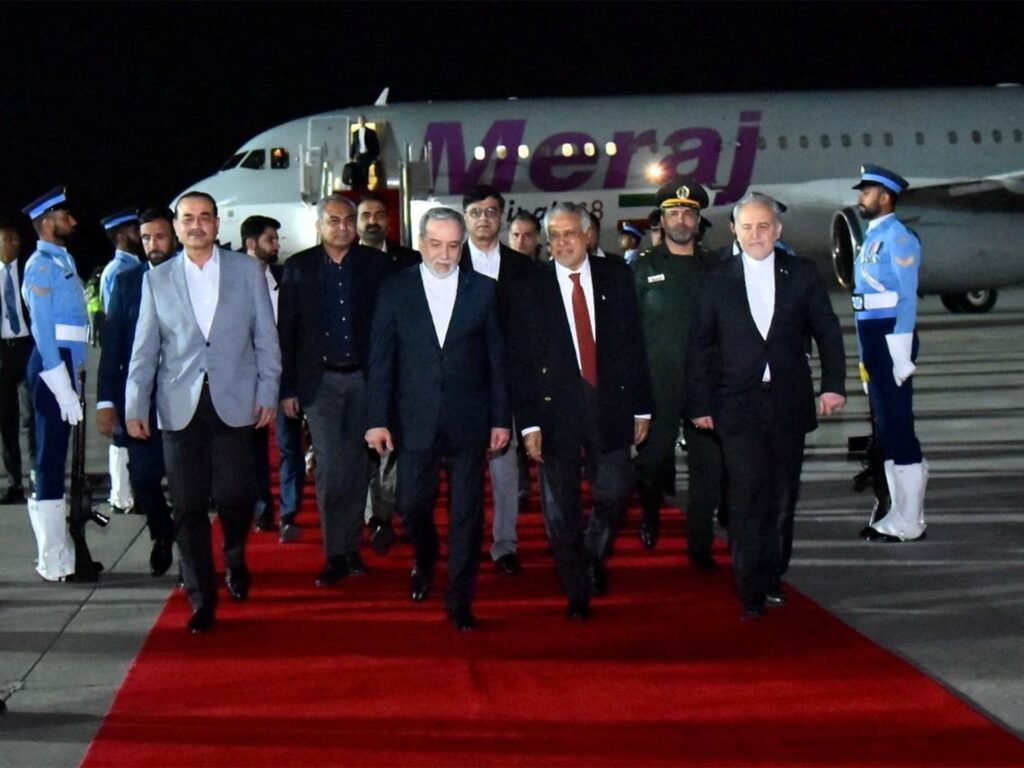
The visit of Iran’s foreign minister to Islamabad comes at a critical juncture, with US envoys also en route to the Pakistani capital. This rare diplomatic activity highlights the complex geopolitical juggle in the region involving Iran, the United States, and Pakistan.
For Iran, this visit symbolizes an opportunity to calm the rising tensions and bolster regional alliances amidst growing sanctions and international scrutiny. Pakistan, sharing borders with Iran, serves as a strategic conduit for Iranian diplomacy targeting not only the Middle East but also South Asia. Tehran is keen on reinforcing its ties with Islamabad to navigate economic hardships, enhance trade, and possibly coordinate on security issues linked to Afghanistan and counterterrorism.
The presence of US envoys signals Washington’s intent to engage more proactively in the region, possibly aiming to de-escalate tensions with Tehran while managing its broader goals in South Asia. The US faces strategic imperatives such as stabilizing Afghanistan, curbing extremist threats, and maintaining influence over a region pivotal to global energy routes and security dynamics.
Diplomatic talks in Islamabad are expected to cover a spectrum of issues including the Iran nuclear deal negotiations, regional security arrangements, and cooperation against terrorism. Both Iran and the US seek to leverage Pakistan’s unique position as a mediator and a channel to sensitive areas.
For the US, the dialogue represents a delicate balance between applying pressure on Iran over its nuclear program and nuclear ambitions, while avoiding further escalation that could destabilize the already volatile Middle East.
Iran, on the other hand, looks to reassure its neighbors and the global community of its willingness to engage diplomatically, possibly to ease sanctions and secure economic relief. Tehran also sees Pakistan as a pivotal partner in breaking the diplomatic isolation perpetuated by US sanctions and international skepticism.
Pakistan’s role is crucial, as Islamabad navigates its relationships with both Washington and Tehran. The country aims to promote regional peace, enhance economic cooperation, and position itself as a key player in South Asian geopolitics through facilitating dialogue.
The developments in Islamabad will likely influence regional dynamics significantly. If successful, the engagements could lead to reduced hostilities, more robust economic ties, and a framework for dealing with regional conflicts in a more coordinated manner.
In conclusion, the diplomatic initiatives unfolding in Islamabad are much more than bilateral talks; they represent a strategic chess game involving Iran, the US, and Pakistan. The outcomes will not only impact the immediate stakeholders but could also have far-reaching consequences for regional stability and international diplomacy in a complex and often volatile part of the world.