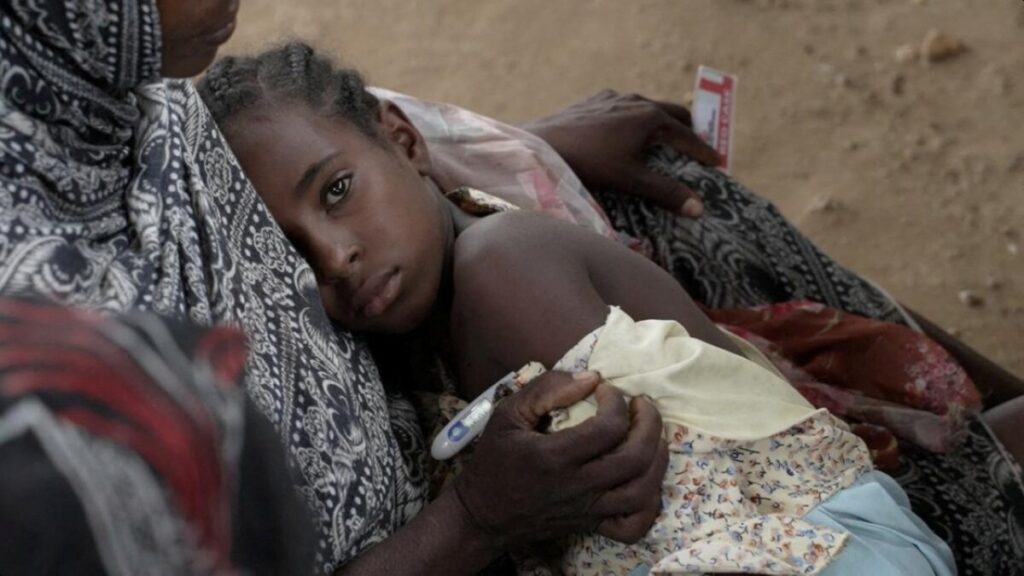
Sudan’s Darfur region, particularly East Darfur’s Labado, is currently facing a deadly measles epidemic that has claimed the lives of at least 70 people in just a few weeks. The crisis emerges amid ongoing conflict and severe neglect, which have overwhelmed the already fragile healthcare system in the region.
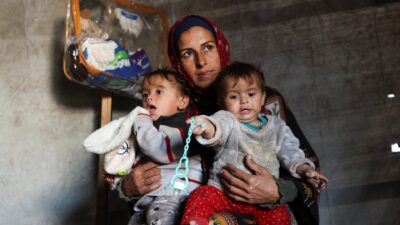
The collapse of healthcare infrastructures means that families cannot access vital medicines or medical care needed to combat the spread of measles, a highly contagious viral disease that predominantly affects children. The fragile medical facilities in Labado are ill-equipped to handle the surge in cases, leading to a rapid increase in fatalities.
War and prolonged violence in Darfur have forced many health workers to flee and have disrupted supply chains for medicines and vaccines. These factors, combined with poor public health outreach, have led to a sharp decline in vaccination coverage, creating fertile ground for measles outbreaks.
Health officials warn that if immediate action is not taken to restore healthcare services and provide extensive vaccination campaigns, the death toll could rise even further. They are calling for urgent humanitarian assistance and international support to prevent the situation from worsening.
The epidemic highlights the broader consequences of conflict and neglect on public health in Sudan’s war-torn region. Access to clean water, nutrition, and healthcare remains limited, exacerbating the vulnerability of communities to infectious diseases like measles.
Local aid organizations are attempting to deliver emergency medical supplies and conduct vaccination drives, but insecurity and funding shortages pose significant challenges. The people of Darfur continue to suffer not only from violence but also from preventable diseases that thrive in conditions of neglect and instability.
This deadly measles outbreak serves as a stark reminder of the urgent need for peace and sustained health interventions in Darfur to protect its population, especially its children, from further harm. Without coordinated efforts, the ongoing health crisis may deepen, with deadly consequences for the most vulnerable.