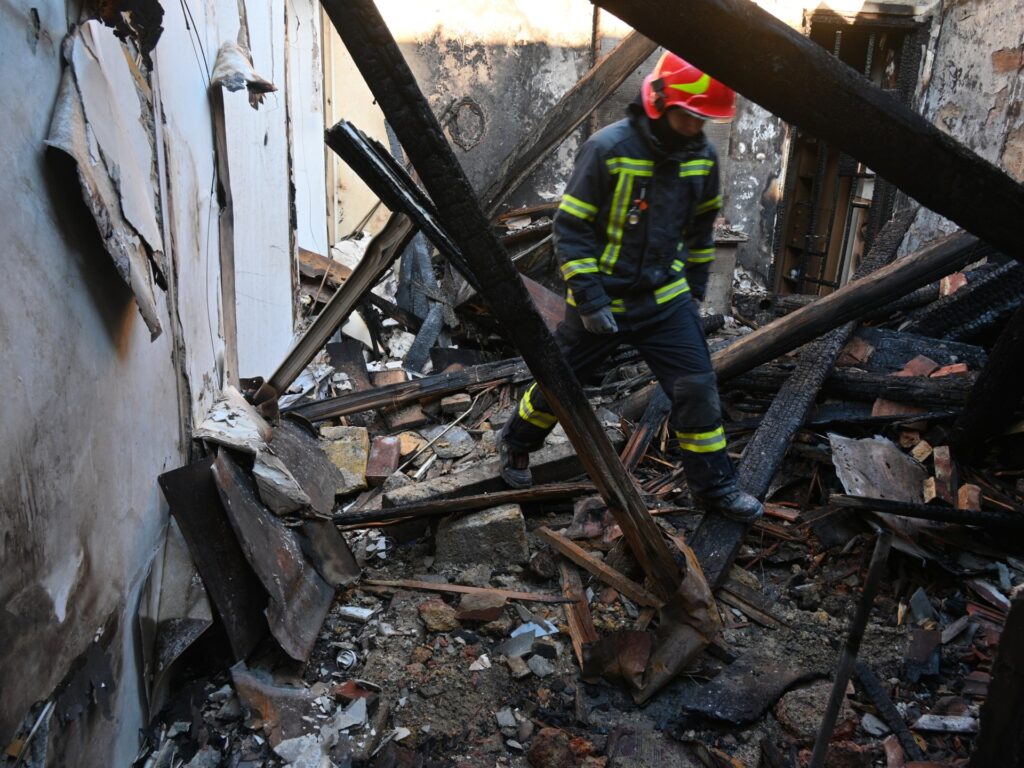
In a recent escalation of conflict, Russia has launched attacks on the southern Ukrainian city of Odesa, intensifying the ongoing hostilities in the region. Simultaneously, significant developments occurred at the Zaporizhzhia nuclear power plant, the largest in Europe, raising international concern.
Russian-installed management at the Zaporizhzhia plant reported that a Ukrainian attack resulted in the death of one worker. This claim adds a grave dimension to the conflict, as the nuclear facility’s safety is of paramount importance not only to Ukraine but to the entire world due to the potential risks of nuclear incidents.
The attack on Odesa marks a continuation of Russia’s offensive moves in southern Ukraine, aiming to consolidate control over key strategic locations. The port city of Odesa is vital for Ukraine’s economy and access to the Black Sea, making it a significant target.
The situation at the Zaporizhzhia nuclear plant remains tense. Russia’s assertions that Ukraine is directly targeting the plant have not been independently verified due to limited access and ongoing conflict in the region. However, any military action involving nuclear infrastructure is widely condemned by the international community for its dangerous implications.
The Zaporizhzhia facility has been a focal point of concern since Russian forces took control earlier in the conflict. Safety protocols and operational responsibilities are reportedly under dispute, complicating efforts to ensure the plant’s secure management.
Ukraine vehemently denies targeting the nuclear plant, instead pointing to Russian activities as the cause of risks to the facility’s safety. The Ukrainian government and international bodies call for immediate de-escalation and the establishment of a secure zone around the plant to prevent potential disaster.
Experts highlight that a nuclear accident in Zaporizhzhia could have catastrophic consequences, affecting millions within Ukraine and neighboring countries. This underscores the urgent need for ceasefire agreements and cooperation between conflicting parties to safeguard the plant.
International reactions to the incidents have included calls for restraint and renewed diplomatic efforts to resolve the conflict peacefully. The United Nations and various nuclear safety organizations emphasize monitoring and protective measures for the Zaporizhzhia plant.
The attacks on Odesa and the situation at Zaporizhzhia reflect the broader dangers and complexities of the ongoing war in Ukraine. With civilian populations at risk, infrastructure damaged, and critical facilities compromised, the conflict threatens regional stability and global security.
As the world watches closely, the urgent diplomatic and humanitarian response will be crucial in preventing further escalation and ensuring the safety of nuclear facilities and civilians in the war-torn area.