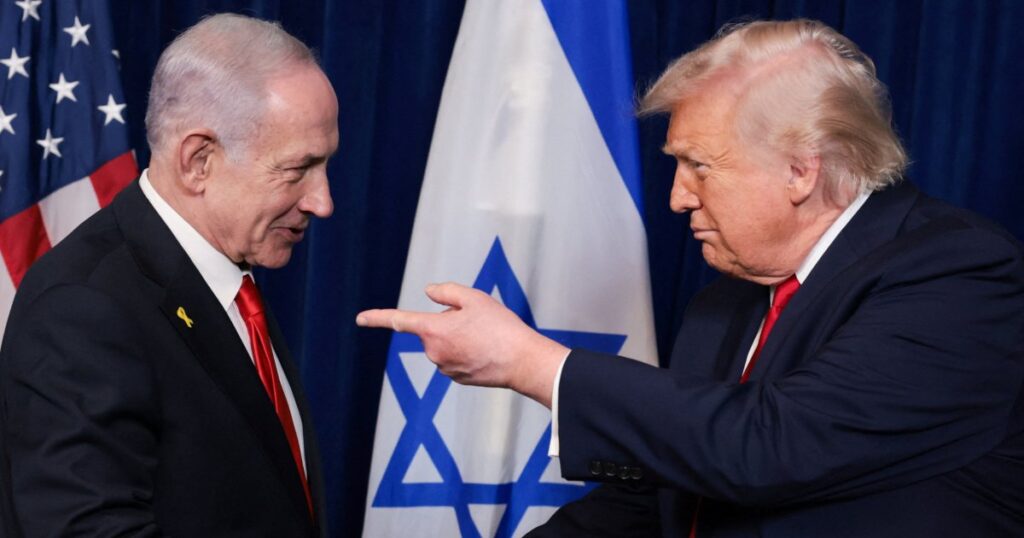
In the complex geopolitical landscape of the Middle East, Israel’s strategic ambitions are increasingly clashing with the directives and ceasefire conditions imposed by the United States, particularly in relation to Iran and Lebanon. Although Israel sees itself as a key player with valid security concerns, its negotiations for ceasefires appear, according to various observers, to be heavily influenced—if not outright dictated—by American preferences rather than direct Israeli agency.
Israel’s national security focus has long centered on the perceived threats from Iran’s nuclear ambitions and the military activities of Hezbollah in Lebanon. Both Iran and Lebanon present persistent challenges to Israeli defense policies due to their hostile postures and the active support of militias and proxy forces contrary to Israeli interests. However, the recent ceasefire agreements and arrangements seem less a product of Israeli negotiation prowess and more a result of the U.S. exerting its diplomatic leverage to maintain regional stability.
This dynamic reflects a broader reality in which Israel, despite being a sovereign state with a strong military, must align its regional security strategies with U.S. interests and policies, particularly in highly volatile arenas like Iran and Lebanon. The U.S. aims to lessen tensions and prevent escalation by crafting ceasefires that limit military engagements and promote dialogue, albeit sometimes at the cost of Israel’s immediate strategic desires.
The unease within Israeli political and military circles is palpable. Many feel that U.S.-imposed ceasefires constrain Israel’s ability to fully counteract threats emerging from Iran’s increasingly aggressive posture and the activities of Hezbollah in Lebanon. Critics argue that this American mediation, while effective in reducing open conflict, sidelines Israeli initiative and could prolong underlying tensions by not addressing the root causes of hostility.
Moreover, the ceasefires often come with strings attached, including limits on Israeli military operations and requirements to cooperate or coordinate closely with U.S. diplomatic efforts. This scenario complicates Israel’s policymaking by forcing a balance between allegiance to its closest ally, the United States, and its imperative to defend national security robustly.
In Lebanon, Hezbollah remains a significant and formidable force, with Tehran’s backing enabling it to operate with a level of autonomy and military capability that challenges Israeli deterrence. Israeli suspicions about U.S. willingness to confront Iran and its proxies more forcefully have grown, especially as Iran’s regional influence expands.
Analysts suggest that the U.S. approach aims to use diplomatic engagements and ceasefire agreements as tools to prevent war, but critics within Israel view these as limiting and potentially emboldening adversaries by signaling a ceiling on Israel’s military options.
The ongoing tension underscores the delicate balance Israel must maintain in its foreign relations and defense strategies. While the U.S.-Israel alliance remains strong, the manner in which ceasefires are negotiated in regions like Iran and Lebanon reveals an uneasy dependence on American diplomatic frameworks.
As the Middle East remains a hotspot for conflict and power struggles, Israel’s strategic autonomy faces tests from inside and outside its borders. This reality check suggests that for Israeli ambitions to fully materialize, a recalibration of its diplomatic and security engagements with the United States might be necessary to ensure that its core security interests are not subordinate to broader geopolitical compromises.