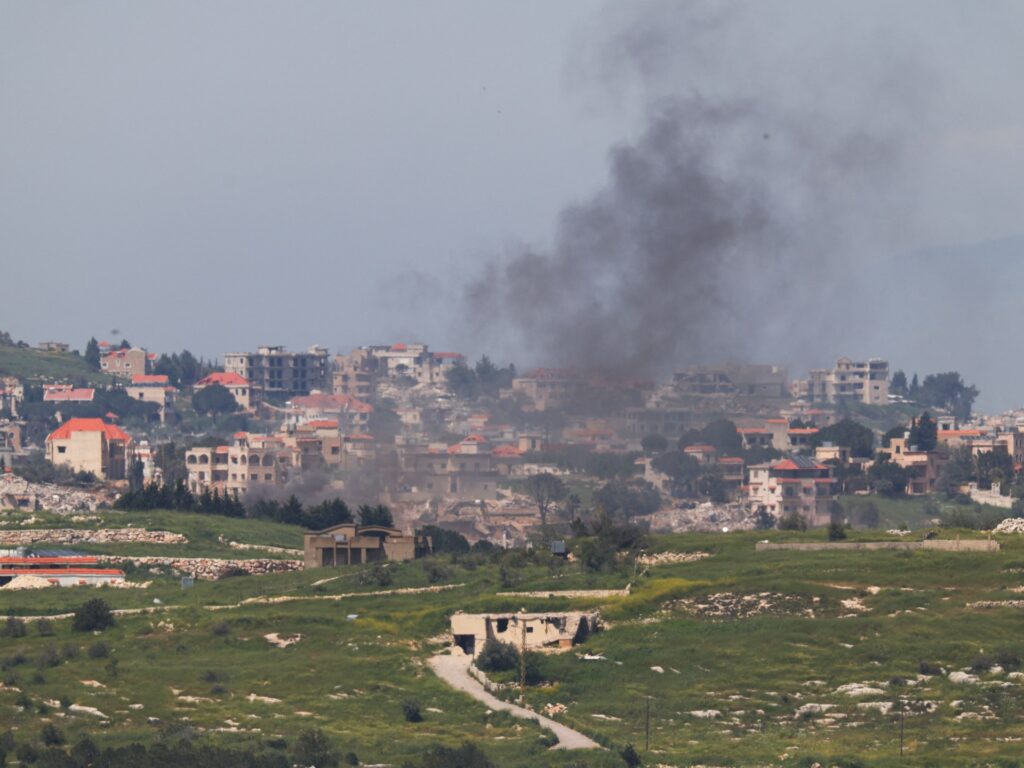
Tensions remain high between Israel and Lebanon as Israeli forces carried out attacks targeting Hezbollah positions despite the recent extension of the ceasefire agreement. In the southern Lebanese town of Bint Jbeil, Israeli military forces engaged in an exchange of fire that resulted in the deaths of six Hezbollah fighters. This incident marks a significant escalation in hostilities after the ceasefire was agreed upon, signaling ongoing instability in the region.
The extension of the ceasefire had raised hopes for a reduction in violence and a move towards peaceful negotiations; however, the latest attacks demonstrate the fragility of the agreement. Bint Jbeil, located in southern Lebanon, has long been a hotspot for conflicts involving Hezbollah, a Shia Islamist political and militant group that has wielded substantial influence in Lebanese politics and is considered a terrorist organization by Israel and several other countries.
The Israeli military’s operation in Bint Jbeil was reportedly aimed at preventing Hezbollah from regrouping and rearming in the aftermath of prior conflicts. The exchange of fire between Israeli forces and Hezbollah militants indicates that such efforts are ongoing and that the militant group remains resilient and prepared to resist Israeli incursions.
The death of six fighters represents one of the deadliest clashes in recent weeks and is likely to fuel further retaliatory actions by Hezbollah, potentially leading to a wider conflict. Local residents and international observers have expressed concern over the deterioration of the security situation, fearing that renewed violence could destabilize the entire region.
Analysts suggest that the continuation of hostilities undermines diplomatic efforts to establish long-term peace between Israel and Lebanon. The international community, including the United Nations, continues to call for restraint from both sides and for the respect of the ceasefire terms.
This recent episode highlights the ongoing challenges faced in resolving the deep-rooted conflicts in the Middle East. The interplay between military actions and political negotiations remains delicate, with both sides accusing each other of provocations and violations. As the situation develops, all eyes remain on the efforts to maintain peace and prevent another full-scale confrontation in the region.
In conclusion, despite the extension of the ceasefire, Israeli forces’ attacks on Hezbollah fighters in southern Lebanon underscore the persistent tensions and complexity of the Israel-Lebanon conflict. The loss of lives and the possibility of further violence continue to pose serious concerns for regional stability and security.