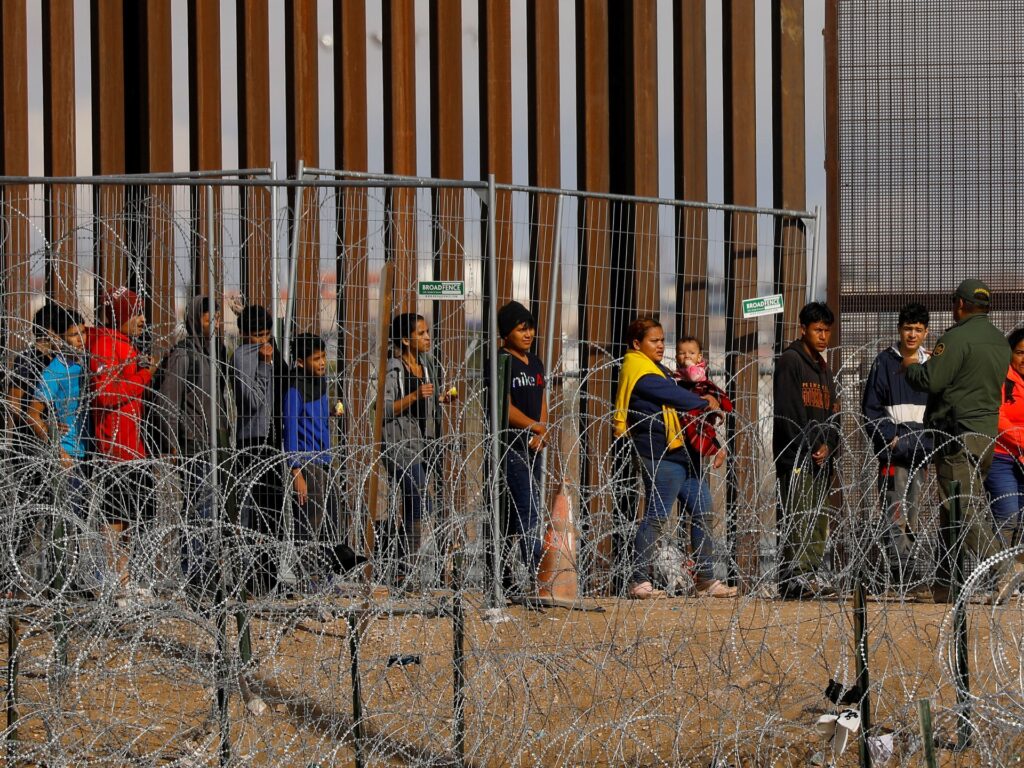
In a significant legal ruling, a US appeals court has rejected former President Donald Trump’s controversial order banning asylum seekers at the border. The court found that the administration’s directive, which called for the swift removal of individuals seeking asylum, effectively disregarded established federal laws that guarantee the right to seek asylum.
The judges criticized Trump’s order for undermining the legal framework designed to protect asylum seekers and ensure their cases are fairly evaluated. According to the court, the policy ‘cast aside federal laws affording’ these protections, leading to an unlawful curtailment of the right to asylum.
This decision marks a key legal victory for advocates of immigrant and refugee rights, who have long argued that the swift removal policy violated both domestic and international laws. The ruling acknowledges the importance of due process in asylum cases and the necessity of upholding legal standards at the border.
The Trump administration’s order was part of a broader effort to tighten immigration restrictions and reduce the number of asylum claims accepted at the US-Mexico border. Under this policy, many applicants were reportedly denied proper hearings, raising concerns about the fairness and legality of the process.
However, the appeals court’s rejection of the ban signals that such measures must conform to existing statutes and constitutional safeguards. The judges’ decision reinforces the right of individuals fleeing persecution or danger to seek refuge in the United States.
The ruling is expected to expedite efforts to reinstate protections for asylum seekers and may influence ongoing debates over immigration policy in the US. It also sets the stage for further appeals, as the administration or its supporters may seek to challenge the court’s decision in higher courts.
Legal experts suggest that this case highlights the complex balance between national sovereignty and humanitarian obligations, emphasizing the judiciary’s role in ensuring that executive actions comply with the law.
As the appeal process unfolds, immigrants’ rights groups continue to advocate for policies that respect asylum laws and provide fair opportunities for those seeking safety. The court’s decision provides a legal foundation for these efforts and underscores the enduring significance of due process in immigration proceedings.
In conclusion, the US appeals court’s rejection of Trump’s asylum ban marks a pivotal moment in immigration law, affirming the right to seek asylum and challenging policies that circumvent established legal protections. The coming legal battles will be closely watched as they determine the future landscape of US asylum policy.