A recent Israeli airstrike in Gaza resulted in the deaths of five people, including three children, exacerbating the already volatile situation in the region. According to Gaza officials, this tragic incident has highlighted ongoing tensions despite the ceasefire agreement reached in October between Israel and Hamas.
The ceasefire was initially intended to de-escalate hostilities and bring an end to the violence that had plagued the region for years. However, Gaza officials report that Israel has committed approximately 2,400 violations of the ceasefire agreement since its inception. These repeated breaches have undermined efforts to maintain peace and have perpetuated a cycle of violence.
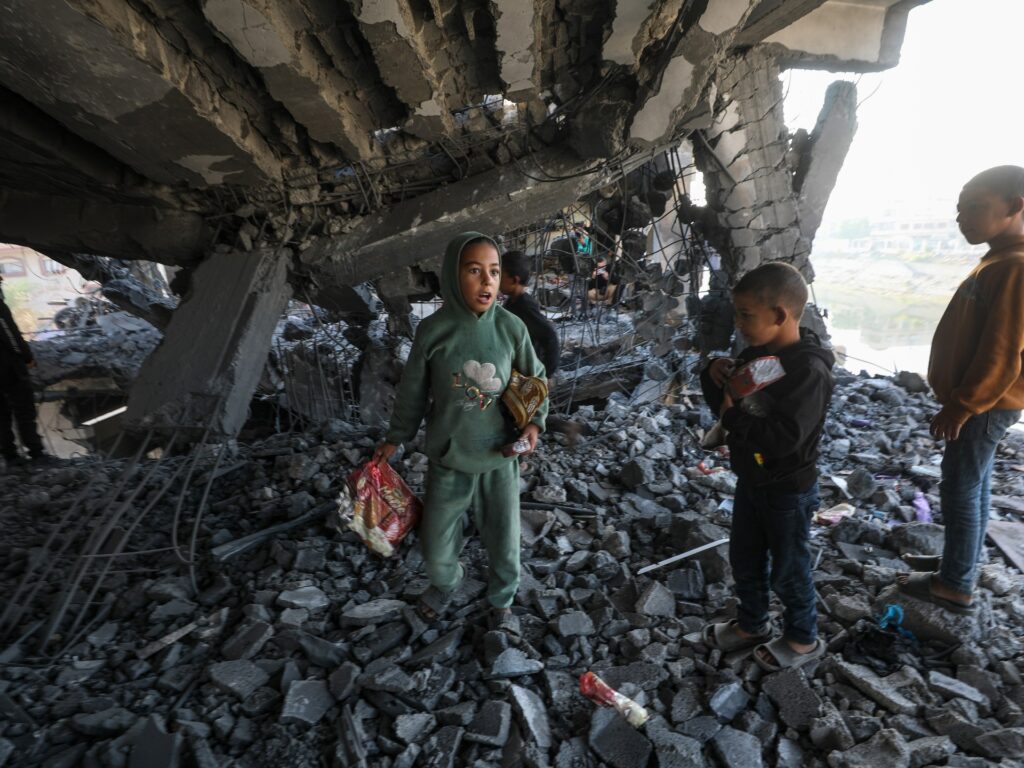
The victims of the latest strike were civilians, intensifying international concern about the impact of military actions on non-combatants in conflict zones. The loss of innocent lives, particularly children, has drawn condemnation from human rights organizations and calls for renewed efforts to protect civilians.
The ongoing ceasefire violations have led to increased instability in Gaza, limiting the potential for dialogue and reconciliation between the conflicting parties. This situation underscores the challenges in enforcing ceasefire agreements in regions marked by deep-seated animosities and complex political dynamics.
Local authorities in Gaza continue to document and report these violations in an effort to bring international attention to the conflict and to hold parties accountable for breaches of peace agreements. The situation remains tense, with fears that continued hostilities could escalate further, jeopardizing the safety of residents in the area.
The international community has expressed concern over the deteriorating conditions in Gaza and the failure to uphold the ceasefire commitments. Calls for renewed diplomatic efforts to address the root causes of the conflict and to establish a sustainable peace process have been reiterated.
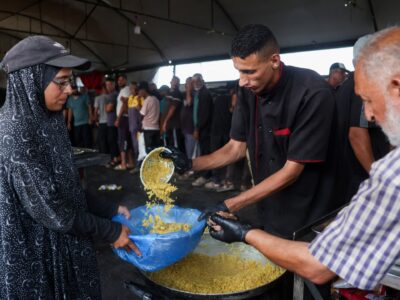
In the aftermath of the strike, humanitarian agencies are facing challenges in providing aid amid ongoing security risks. The death of children has particularly mobilized calls for increased protection measures and assistance to affected families.
This incident serves as a stark reminder of the fragility of ceasefire agreements and the human cost of conflicts. It highlights the urgent need for robust monitoring mechanisms and genuine commitment from all parties to honor peace deals and prioritize civilian safety.
As the situation remains fluid, the hope for peace in Gaza hinges on the willingness of Israel and Hamas to engage in meaningful dialogue and to respect agreed-upon ceasefire terms. The path to stability demands concerted efforts from local leaders, regional actors, and the global community to prevent further loss of life and to foster an environment conducive to lasting peace.