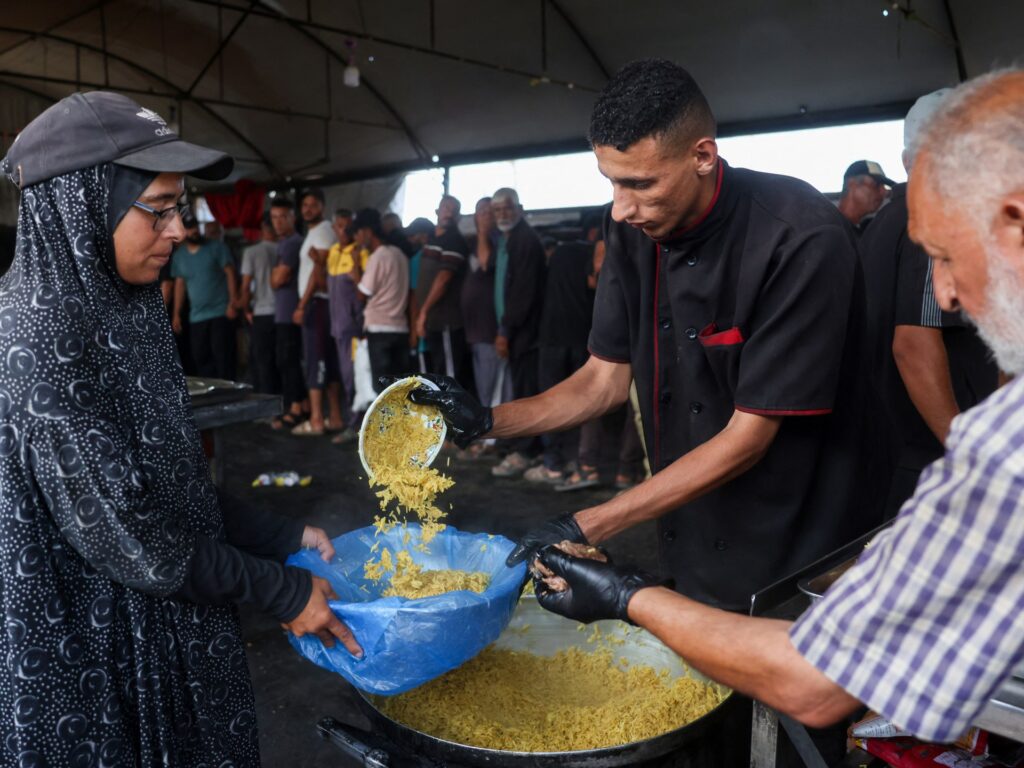
The Gaza Strip is confronting a dire humanitarian crisis as malnutrition and starvation reach catastrophic levels, according to the Health Ministry. The region is grappling with an alarming food insecurity situation, threatening the lives and health of the majority of its population.
Reports indicate that about 67 percent of Gaza’s population is projected to experience crisis-level food insecurity or worse through the end of 2026. This startling figure underscores the severity of the ongoing blockade, conflict, and economic hardships that have crippled Gaza’s food supply and access to essential nutrition.
Malnutrition in Gaza has become alarmingly widespread, with children, pregnant women, and vulnerable populations being the hardest hit. The depletion of food stocks, limited access to health services, and insufficient humanitarian aid contribute to a downward spiral in health and wellbeing.
Medical and aid organizations warn that continued malnutrition can lead to long-term developmental issues in children, increased susceptibility to diseases, and elevated mortality rates. The combination of food shortages and inadequate medical care has pushed Gaza to the brink of a severe public health emergency.
Experts attribute the grim situation to several interlinked factors, including ongoing political conflict, restrictions on movement and trade, and economic stagnation. These challenges have severely limited the availability and affordability of nutritious food.
The Health Ministry has called for urgent international intervention to address the food crisis in Gaza. There is a pressing need for increased humanitarian aid, including food supplies, medical assistance, and support for sustainable agriculture.
International organizations and donor countries are urged to intensify efforts to deliver life-saving assistance and to support policies that facilitate the free flow of food and medical supplies into the region.
Without immediate and sustained action, the food insecurity crisis in Gaza is expected to worsen, threatening the survival and dignity of millions of residents. The Health Ministry’s warning highlights a critical moment for the global community to step up and respond decisively to avert further catastrophe.
As the world watches, the situation in Gaza calls for a coordinated humanitarian response that prioritizes the needs of the most vulnerable and addresses the root causes of the crisis to restore hope and stability to the affected population.