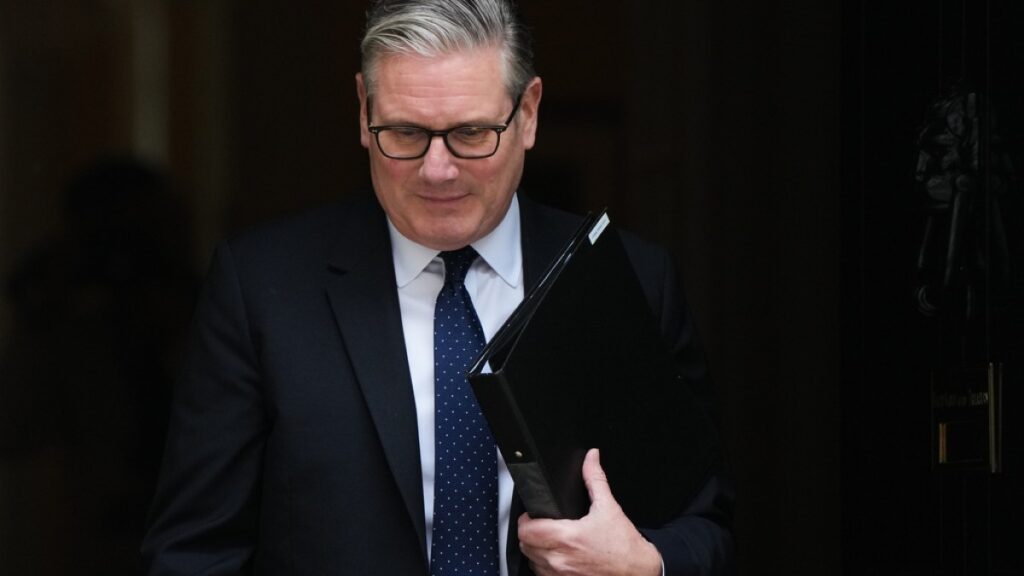
UK Prime Minister Keir Starmer has publicly acknowledged a mistake made in the appointment of Lord Peter Mandelson following revelations about Mandelson’s alleged connections to Jeffrey Epstein. This admission comes amid mounting political pressure and calls for the resignation of senior officials associated with the decision.
Starmer insisted that neither he nor his immediate circle was aware that security officials had recommended sidelining Mandelson because of his links to Epstein, a convicted sex offender whose network has implicated numerous high-profile individuals worldwide. Despite this, the Prime Minister firmly rejected calls for resignations within his administration, emphasizing the distinction between personnel decisions and the intelligence he was given.
The controversy began when reports surfaced about Mandelson’s historical association with Epstein. Security assessments reportedly flagged concerns about potential risks to national security, prompting advisories against him holding influential government positions.
Critics argue that the oversight undermines public trust and questions the thoroughness of the vetting process for high-profile appointments. Opposition parties have seized on the issue as a symbol of opaque decision-making within the current government.
In his statement, Starmer emphasized his commitment to transparency and promised a review of internal security protocols to ensure such lapses are avoided in the future. He highlighted that while the mistake was regrettable, it did not warrant drastic political upheaval.
Lord Mandelson, a seasoned political figure with a controversial but impactful career, has denied any wrongdoing related to his association with Epstein. He stated that his connections were limited and never crossed legal or ethical boundaries.
The episode follows a series of similar public scrutiny incidents involving governmental oversight failures, increasing the spotlight on how security clearances are managed for individuals with politically sensitive backgrounds.
Political analysts predict that while the immediate fallout might be contained, the episode will trigger ongoing debates about transparency, accountability, and the intersection of politics and personal associations.
The Prime Minister’s rejection of resignation demands suggests a desire to maintain stability amid a turbulent political landscape while addressing shortcomings through policy adjustments rather than personnel changes.
As investigations continue, the government is expected to enhance cooperation with security agencies to tighten vetting procedures and reaffirm the integrity of official appointments.
This incident serves as a critical reminder of the challenges governments face in balancing the need for experienced leadership with the imperative to maintain public confidence in ethical governance.