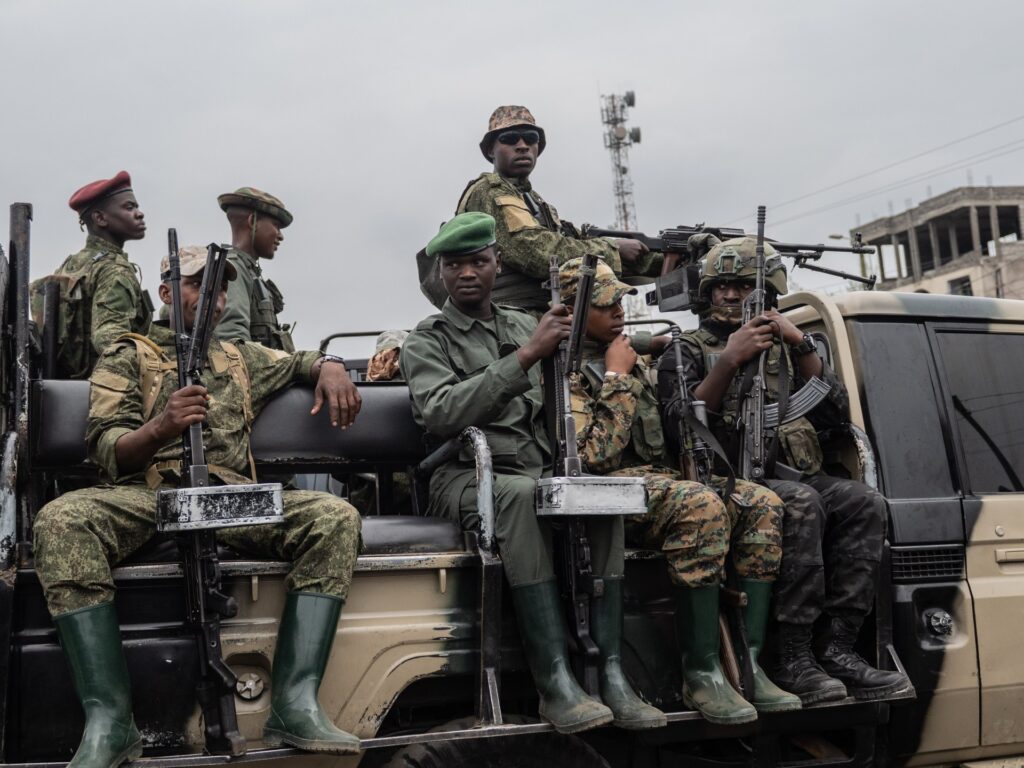
In a significant development aimed at alleviating the prolonged conflict and humanitarian crisis in the Democratic Republic of Congo (DRC), the DRC government and the M23 rebel group have made pivotal commitments to protect civilians and ensure the delivery of humanitarian aid. This agreement emerged from recent high-level talks held in Switzerland, where representatives from both parties engaged in constructive dialogue designed to pave the way for a more peaceful and stable future.
The conflict between the Congolese government and the M23 rebels has been a source of immense instability and suffering in the eastern regions of the DRC. Civilians have borne the brunt of ongoing violence, facing displacement, insecurity, and an acute shortage of vital resources. Against this backdrop, the recent Swiss negotiations represent a hopeful step forward.
During the meeting, both sides agreed unequivocally to safeguard the safety and dignity of civilians caught in the conflict zones. This includes commitments to minimize harm during military operations and to refrain from any actions that could jeopardize civilian lives and welfare.
Furthermore, the parties made critical progress on establishing a protocol for ceasefire oversight. This oversight mechanism is intended to monitor adherence to the ceasefire terms, providing a framework for accountability and transparency. The protocol aims to foster mutual trust and prevent future hostilities by ensuring that violations are promptly addressed.
A key aspect of the agreement is the facilitation of uninterrupted humanitarian aid deliveries. Recognizing the dire needs of displaced populations, both the government and M23 rebels pledged to allow humanitarian organizations safe and unhindered access to conflict-affected areas. This commitment is expected to improve the delivery of food, medical supplies, and other essential assistance, mitigating the devastating impact of the conflict on vulnerable communities.
The talks in Switzerland were marked by a spirit of constructive engagement, with mediators playing an essential role in bridging differences and encouraging cooperation. While challenges remain, the willingness of both sides to commit to protecting civilians and supporting humanitarian efforts signals a positive shift towards peace.
Analysts view these developments as foundational steps that could catalyze a broader peace process, potentially leading to more comprehensive negotiations aimed at resolving the root causes of the conflict. The involvement of international actors and continued monitoring will be crucial to sustaining momentum and ensuring the commitments translate into tangible improvements on the ground.
In summary, the recent agreement between the DRC government and M23 rebels represents a vital milestone in addressing the humanitarian crisis in eastern Congo. With a focus on civilian protection, humanitarian aid access, and ceasefire enforcement, the parties have laid the groundwork for a more secure and hopeful future for affected populations. Continued dialogue and adherence to these commitments will be essential as the region strives to move beyond conflict towards lasting peace.