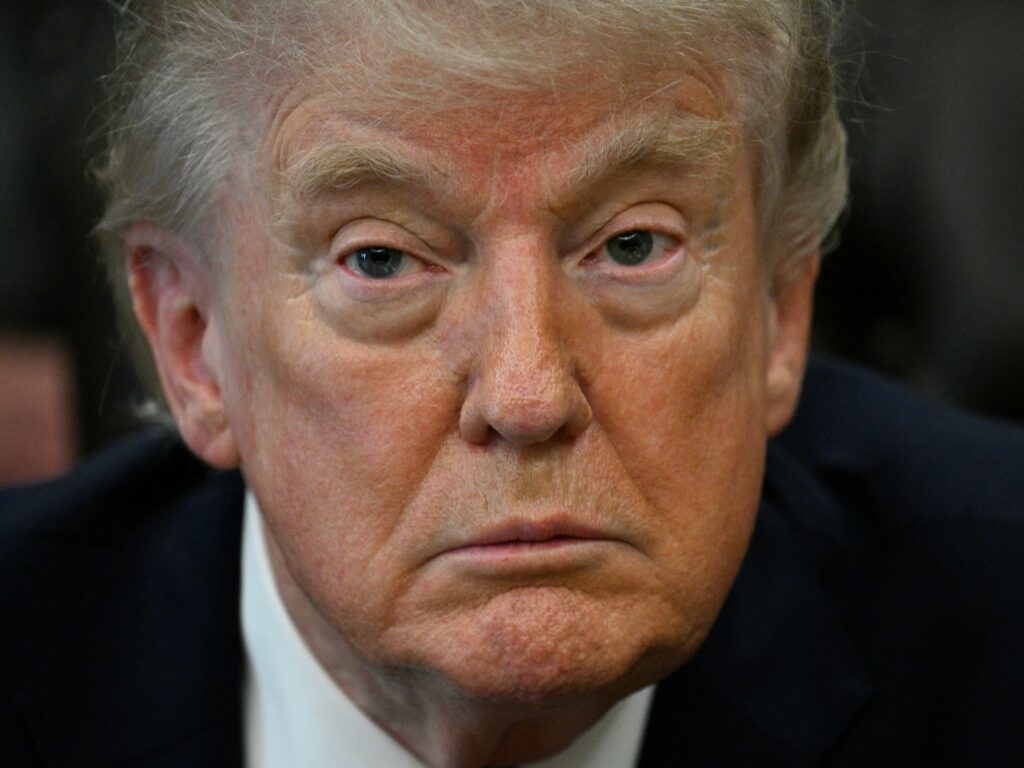
In a recent and significant announcement, US President Donald Trump declared that American negotiators will be traveling to Pakistan to engage in talks concerning Iran. This development signals a strategic diplomatic initiative by the United States aimed at addressing escalating tensions in the Middle East, particularly regarding Iran’s activities in the region.
The announcement was made during a press briefing where President Trump emphasized that the talks would take place in Islamabad, Pakistan’s capital. This choice of venue underscores Pakistan’s geopolitical importance as a mediator and its unique position in regional politics.
President Trump accused Iran of violating a truce, describing the violation as a serious breach that has potentially destabilizing consequences. He warned Tehran that continued violations would provoke severe repercussions from the United States. This statement reflects the administration’s stance of a firm approach towards Iran, balancing diplomatic engagement with strong cautionary measures.
The talks are anticipated to cover critical issues such as Iran’s nuclear program, regional security concerns, and adherence to previous agreements. The United States aims to seek assurances and commitments from Iran to curb activities perceived as threatening to peace and stability.
Pakistani officials expressed readiness to facilitate the discussions and highlighted the importance of dialogue in resolving conflicts. Islamabad’s involvement is seen as a potential bridge between Washington and Tehran, offering a neutral setting for negotiations.
Experts suggest that these talks could mark a pivotal moment in US-Iran relations, potentially opening channels for de-escalation after a period of heightened confrontation. However, skepticism remains about the outcomes given the deep-seated mistrust and conflicting interests.
The international community is watching closely as the talks unfold, hopeful for diplomatic progress but prepared for challenges ahead. The situation remains fluid, and the US negotiators’ visit to Pakistan is a clear indication of the administration’s commitment to pursuing diplomatic solutions amidst ongoing tensions.
In summary, President Trump’s announcement about sending US negotiators to Pakistan for Iran talks highlights a complex geopolitical maneuver. It reflects the delicate balance of exerting pressure on Iran while exploring avenues for dialogue to maintain regional and international security.