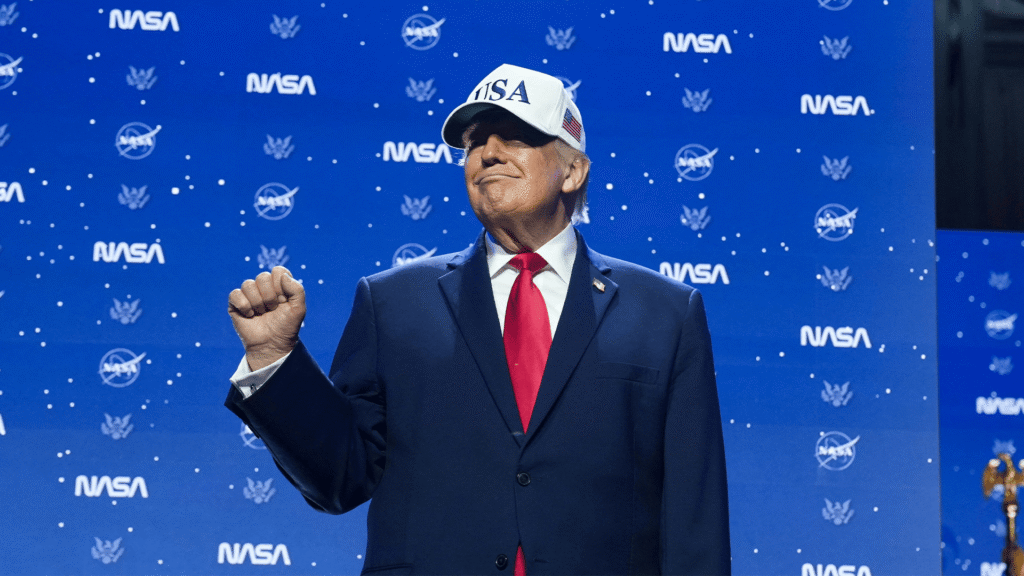
In a recent development, US President Donald Trump has confirmed that the United States carried out military strikes on Iran’s Qeshm Island. Despite these actions, President Trump was keen to emphasize that these operations do not equate to a declaration of war. The strikes, described by the President as ‘minor,’ signal a continuation of heightened tensions between the two nations but stop short of full-scale conflict.
The targeted island, Qeshm, holds strategic significance in the Persian Gulf, and the choice of this location underscores the targeted nature of the US military response. While the details of the strikes have been limited, the President’s statements suggest a measured approach aimed at precise military objectives rather than broad aggression.
This latest move reflects a complex geopolitical landscape where the US is balancing pressure on Iran while avoiding escalation into open warfare. Analysts note that such strikes could be viewed as a warning or a form of deterrence amid ongoing disputes involving Iran’s regional activities and nuclear ambitions.
The international community watches closely as this situation evolves, with many advocating for dialogue and diplomacy to prevent further deterioration of peace in the Middle East. President Trump’s insistence that this is not a war may be aimed at reassuring both domestic and global audiences about the US’s strategic intentions.
Overall, the US strikes on Qeshm Island mark a significant point in US-Iran relations, highlighting the delicate interplay of military action and diplomatic messaging in contemporary international conflicts.