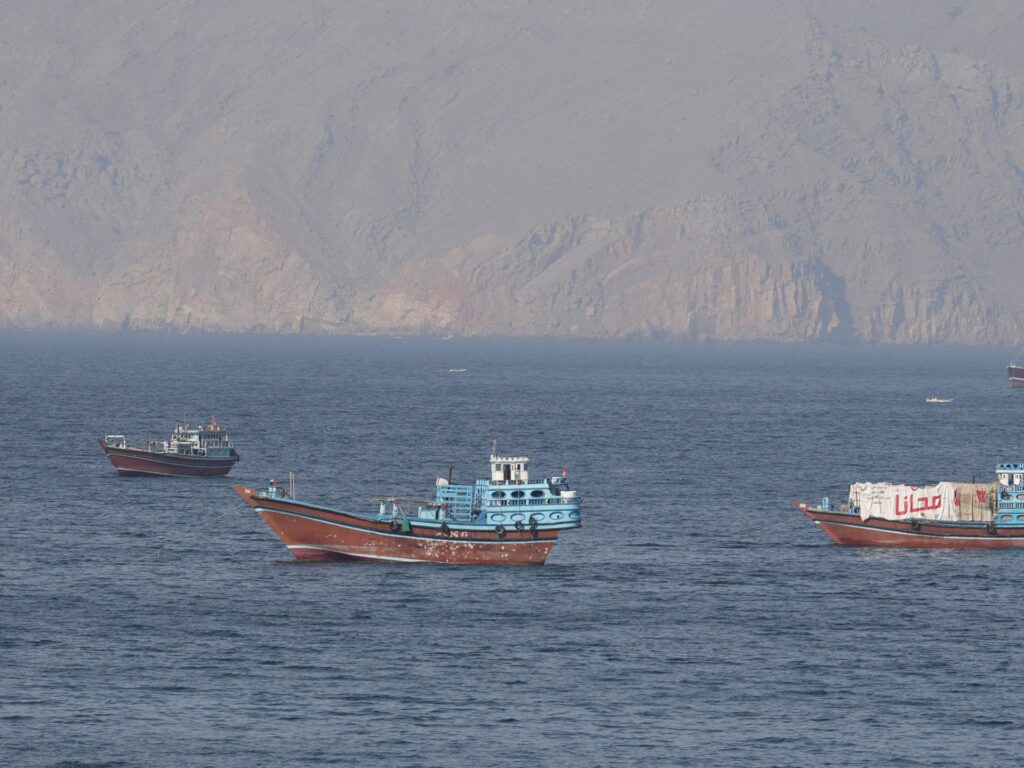
The US-Iran standoff over the Strait of Hormuz is a significant geopolitical conflict with wide-ranging implications for global security and energy markets. This narrow waterway, located between the Persian Gulf and the Gulf of Oman, is one of the world’s most crucial oil transit chokepoints, with a significant percentage of global petroleum passing through it daily.
In recent developments, former US President Donald Trump has accused Iran of violating a ceasefire, escalating tensions in the region. Iran’s actions in the Strait of Hormuz have raised serious concerns among international observers about freedom of navigation and security in one of the world’s busiest maritime routes.
Trump’s announcement that the US will send negotiators to Pakistan for further talks indicates an attempt to manage the crisis through diplomatic channels, aiming to de-escalate tensions and find a peaceful resolution. This move suggests a focus on dialogue despite the heightened rhetoric and confrontations.
The origins of the standoff trace back to longstanding grievances tied to Iran’s nuclear program, regional influence, and US sanctions. The Strait of Hormuz has become a strategic flashpoint, where any conflict could severely disrupt global oil supplies and trigger broader military confrontations.
International stakeholders, including European nations and Middle Eastern countries, are closely watching the situation, advocating for de-escalation and stability. The US and Iran have engaged in a cycle of provocation and retaliation, including incidents like tankers being attacked and military confrontations in the air and sea domains.
Navigating this complex stand-off requires understanding the strategic, economic, and political dimensions. The Strait’s importance extends beyond immediate military concerns; it symbolizes larger issues of power projection, economic sanctions, and international diplomacy.
As the US sends negotiators to Pakistan, there is cautious optimism that dialogue can reduce tensions and prevent further escalation. However, the path forward remains uncertain, and the global community remains vigilant about the implications for international peace and security.