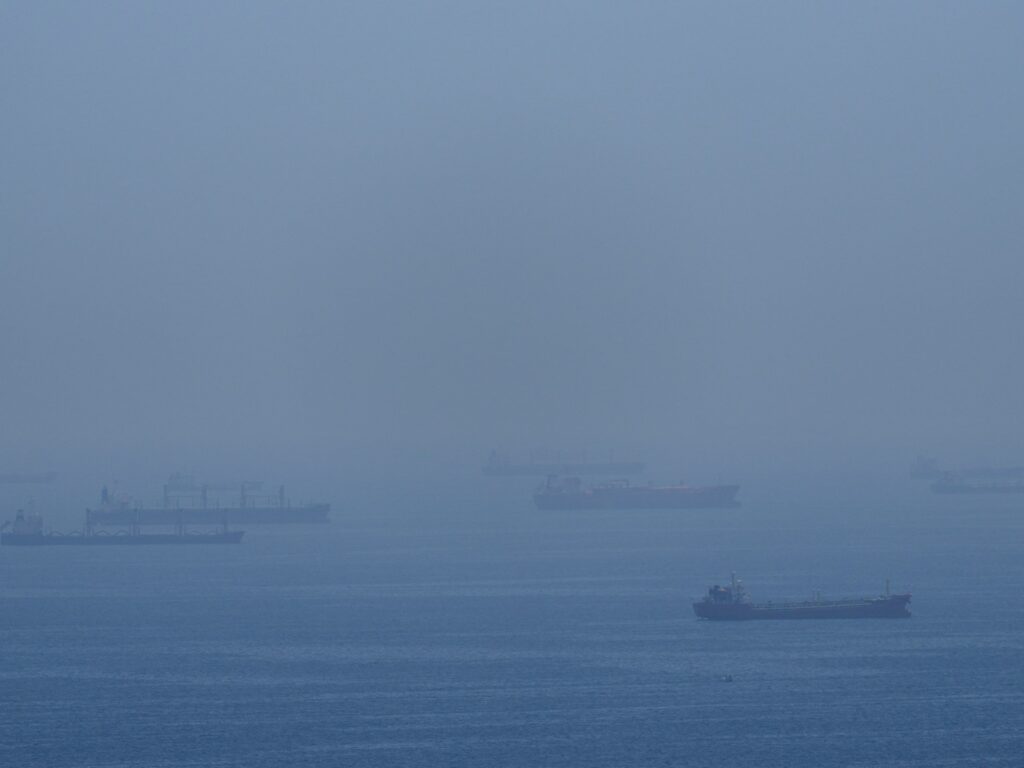
In a significant escalation of tensions between Iran and the United States, the Islamic Revolutionary Guard Corps (IRGC) has declared that the Strait of Hormuz is closed. The IRGC stated that the strategic waterway will remain inaccessible until the United States ends its blockade of Iranian ports.
The Strait of Hormuz is a critical maritime chokepoint through which a substantial portion of the world’s oil supply is transported. Its closure could have profound implications for global energy markets and international shipping routes.
Tehran has also announced that there is currently no scheduled date for talks with the US, signaling a hardening stance in their diplomatic relations. The statement came amid ongoing disputes and sanctions that have strained ties between the two countries.
The IRGC’s closure announcement marks a dramatic move amid heightened geopolitical tensions in the Persian Gulf region. Iran has accused the US of aggressive economic and military actions, describing the blockade as an act of hostility that threatens its sovereignty and economic stability.
International observers are closely monitoring the situation, as the closure of the Strait of Hormuz could lead to disruptions in global oil supplies and spark wider conflicts. Efforts by other nations to mediate or de-escalate tensions have not yet yielded progress.
The situation remains fluid, with the potential for further developments that could reshape the geopolitical landscape in the Middle East. The global community continues to call for restraint and dialogue to avoid escalation and maintain stability in the vital maritime corridor.