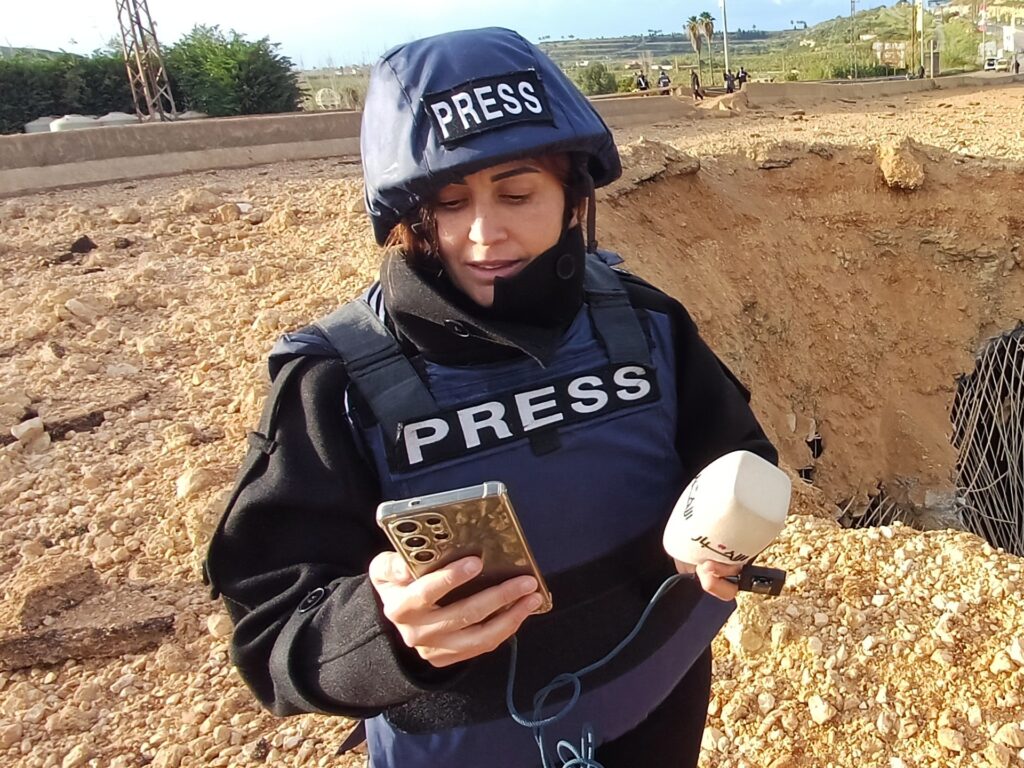
Amal Khalil, a Lebanese journalist, was tragically killed in a recent strike conducted by Israeli forces, an event that has drawn significant condemnation and calls for accountability. Khalil’s death, alongside injuries inflicted on her colleague, occurred during what Lebanese officials have described as a ‘double-tap’ strike—a military tactic where a second attack targets rescuers or those responding to an initial strike, known for its controversial and deadly nature.
The incident has heightened tensions between Lebanon and Israel, echoing the long-standing volatile relationship and the ongoing conflict between the two nations. Lebanese authorities have vehemently criticized Israel, accusing them of intentionally targeting journalists and violating international laws designed to protect media personnel in conflict zones.
Amal Khalil was covering a critical event on the ground when the strike occurred, underscoring the risks faced by journalists reporting from war zones. Her death has sparked outrage within the media community and among human rights organizations, which underscore the need for enhanced protection for journalists who are pivotal in delivering accurate information during conflicts.
Lebanese officials have launched calls for a thorough investigation into the strike, demanding that those responsible be held accountable under international law. The incident further complicates the already fragile peace efforts in the region and raises pressing questions about the safety of civilians and non-combatants in military operations.
The international community has shown concern over the use of ‘double-tap’ strikes, which are often criticized due to their potential to inflict additional casualties, including first responders and bystanders. This latest event has added to growing global discussions about the rules of engagement in armed conflicts and the necessity of safeguarding journalists and civilians.
Amid the grief over Amal Khalil’s death, there is a renewed call for stronger international protections and clearer guidelines to prevent similar tragedies. Both government and non-government organizations stress that attacks on journalists not only threaten individual lives but also hinder the vital flow of information to the public, ultimately impacting democratic accountability and human rights.
As investigations continue, attention remains focused on ensuring justice for Khalil and bringing greater scrutiny to the conduct of military operations in conflict zones to avoid further loss of innocent lives. The loss of Amal Khalil serves as a poignant reminder of the ultimate sacrifice journalists make to report from some of the most dangerous places on earth.