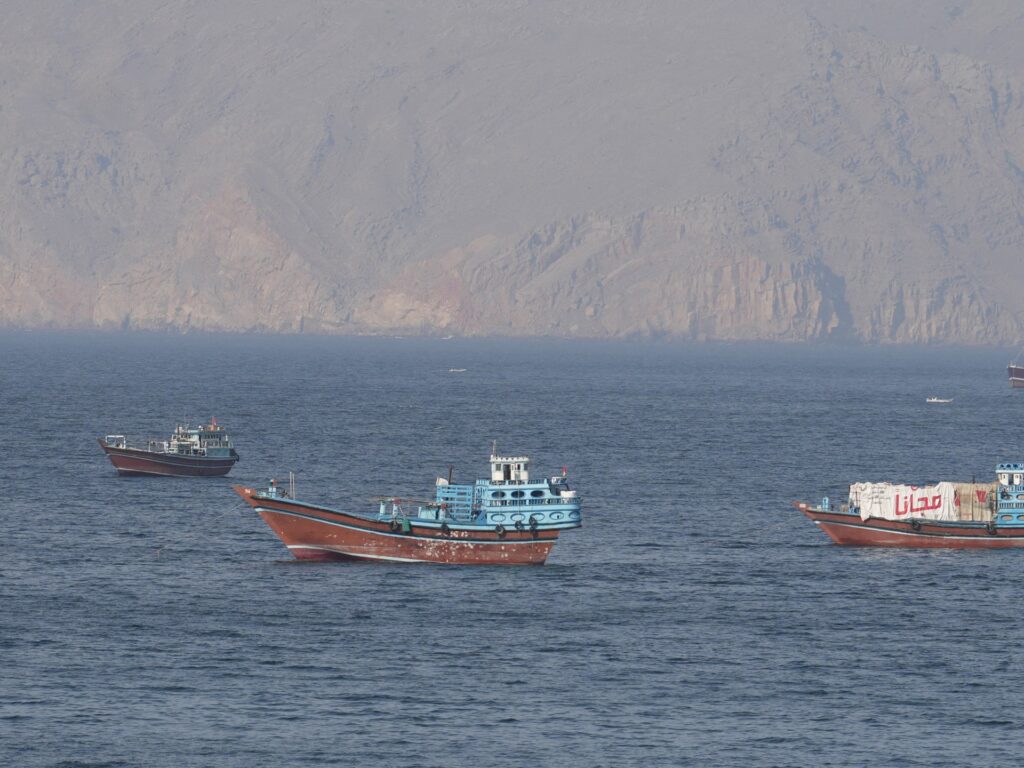
As the US-Iran conflict reaches its 51st day, tensions continue to escalate in the strategic Persian Gulf region. Tehran has announced that the Strait of Hormuz will remain closed until the United States lifts the blockade on Iranian ports. The strait, a critical chokepoint for global oil shipments, has been at the heart of the confrontation since the conflict began.
The closure of the Strait of Hormuz by Iran is a significant move, impacting the world’s oil supply and causing concerns over the stability of international maritime routes. Iran’s decision is a direct response to Washington’s intensified blockade, aimed at squeezing Iran’s economy and restricting its trade capabilities.
Military and diplomatic efforts have so far failed to resolve the standoff. Both sides accuse each other of aggressive posturing, with the US insisting the blockade is necessary to curb Iran’s nuclear ambitions and regional influence, while Tehran views the blockade as an act of economic warfare.
On the ground, increased military presence around the strait has been observed. The US Navy has heightened patrols and deployed additional assets to ensure the free flow of commerce. Conversely, Iranian naval forces have ramped up their patrols and stationed missile batteries along the coastline to enforce the blockade.
International stakeholders have voiced concerns about the growing instability. Countries reliant on Gulf oil supplies are urging for urgent diplomatic solutions to avoid further disruption. The United Nations has called for calm and dialogue, warning that the prolonged conflict could escalate into a wider regional war.
Economic repercussions have also been felt globally. Oil prices surged following the announcement of the strait’s closure, affecting markets and prompting renewed interest in alternative energy sources and supply routes.
Iran’s internal rhetoric remains defiant, with leaders reaffirming their commitment to resist what they describe as ‘foreign aggression.’ Public demonstrations in support of the government’s stance have been reported across major cities in Iran.
In Washington, policymakers are divided on the next steps, debating whether to increase sanctions or pursue renewed diplomatic talks with Tehran. The Biden administration has expressed a preference for diplomacy but faces pressure from hardliners advocating a tougher stance.
Analysts suggest that the current deadlock could persist unless either side is willing to compromise. The prolonged closure of the Strait of Hormuz threatens not only regional security but global economic stability, making international mediation increasingly critical.
As day 51 unfolds, the world watches with apprehension, hoping for a resolution that will reopen vital maritime lanes and prevent a catastrophic escalation. The situation remains fluid, with developments expected in the coming days that could either ease or intensify the conflict.